Multi-Level Cat Tree Playhouse: Setup, Tips & Picks
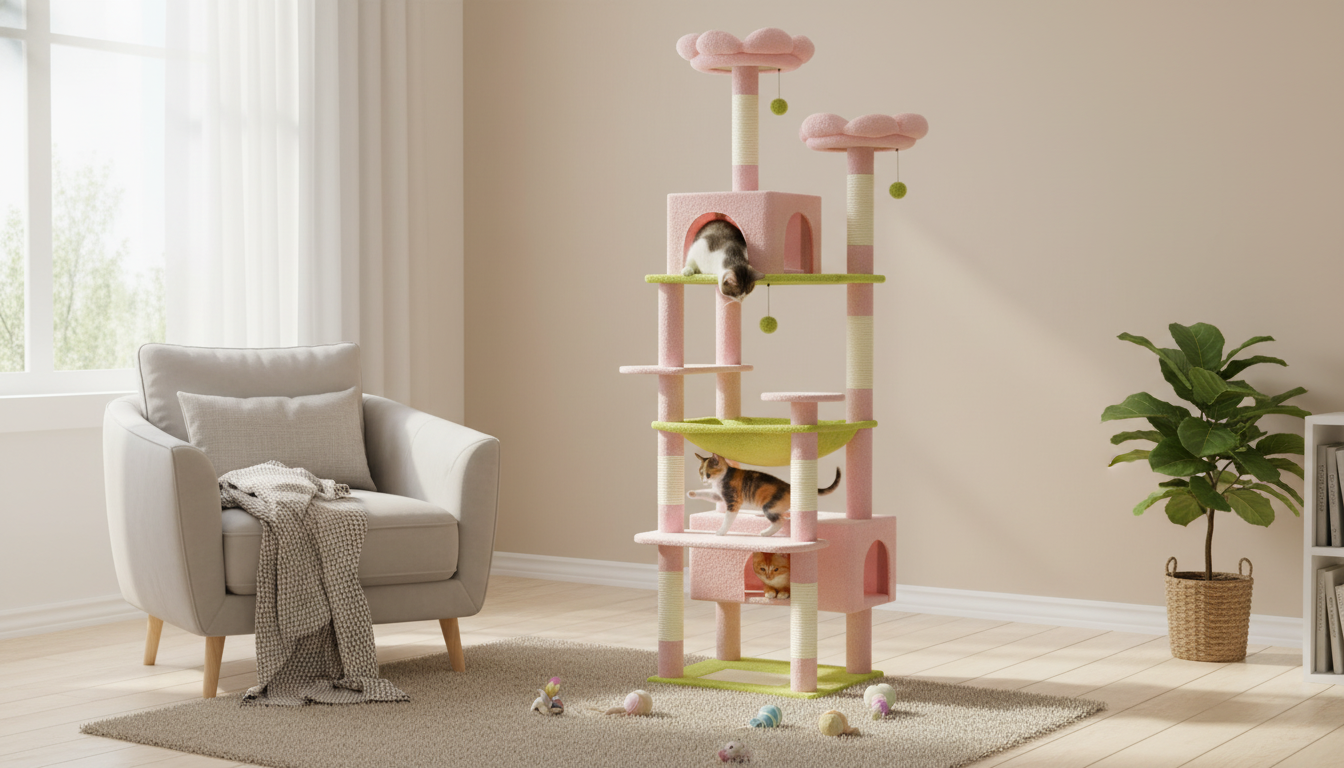
Large Multi-Level Cat Tree Playhouse for Climbing, Lounging, and Daily Enrichment
A multi-level cat tree playhouse turns vertical space into a daily routine of climbing, scratching, hiding, and napping. The right setup supports natural behaviors, reduces boredom, and gives cats a dedicated place to perch away from foot traffic. Whether your cat is a high-energy jumper or a quiet window-watcher, a playhouse-style tree can become the “home base” they return to all day long.
Why Cats Thrive with Multi-Level Spaces
Cats don’t just live across the floor plan of a home—they live in layers. Adding safe vertical territory helps many cats feel more comfortable and more in control of their surroundings.
- Vertical territory builds security: Being able to perch up high can reduce stress, especially in busy homes, apartments with limited space, or multi-pet households.
- Natural movement without long workouts: Climbing and hopping between tiers creates short bursts of activity that support mobility and weight management.
- More choice, less conflict: When a tree includes both open perches and enclosed cubbies, cats can decide when to socialize and when to retreat.
- A better place to scratch: Dedicated scratching surfaces help redirect clawing away from furniture and area rugs.
- Multi-cat peacekeeping: Multiple tiers and resting spots reduce competition when more than one cat wants the “best seat.”
For deeper guidance on building a cat-friendly environment, the American Association of Feline Practitioners (AAFP) Feline Environmental Needs Guidelines and the ASPCA’s cat enrichment resources are helpful references for making everyday spaces more engaging.
What to Look For in a Playhouse-Style Cat Tree
Not all cat trees feel equally “usable” to a cat. The best playhouse setups make it easy to climb, comfortable to rest, and sturdy enough to handle enthusiastic jumps.
- Stability first: Look for a wide base, solid posts, and balanced platforms that reduce wobble during launches and landings.
- Tier layout: Staggered steps and intermediate platforms help kittens, seniors, and cautious cats climb without big leaps.
- Scratch zones where paws naturally pass: Sisal-wrapped posts or scratch panels work best near entry points and common routes.
- Cozy zones + lookout zones: Enclosed cubbies support hiding and napping, while open perches satisfy the urge to supervise.
- Comfort and cleanability: Plush or padded surfaces should be easy to spot-clean; removable cushions are a bonus.
- Noise and placement: A window location boosts enrichment, but avoid placing the tree beside loud appliances that may discourage use.
- Multi-cat compatibility: Multiple resting areas matter more than a single “top throne” when two cats share.
Quick Checklist for Picking a Multi-Level Cat Tree Playhouse
| Home & Cat Needs | What to Prioritize | Helpful Notes |
|---|---|---|
| Single cat, small space | Compact footprint with 2–3 core levels | Choose a model with a tall top perch to maximize vertical value |
| Two cats sharing | Multiple perches + at least one cubby | Look for separated resting zones so both cats can settle at once |
| High-energy climber | More tiers, sturdy posts, larger jumping gaps | Add wand-toy play sessions to guide safe routes |
| Senior or less mobile cat | Lower step heights, wider platforms | Consider adding a soft ramp or placing near a couch for easier access |
| Furniture scratching problem | Sisal surfaces in main pathways | Place the tree near the most-scratched area to encourage switching |
Setting It Up for Instant Use
Even the best tree can get ignored if it feels out of place or unfamiliar. A few small setup decisions can help your cat claim it quickly.
- Pick the right spot: A window view often creates instant interest and long-term daily use.
- Anchor familiarity: Rub a soft blanket on favorite sleeping spots, then place it on a mid-level platform so the tree “smells like home.”
- Guide traffic naturally: Place the tree near existing routes—like the sofa arm, a hallway corner, or a commonly used chair back.
- Rotate enrichment without clutter: Swap a toy occasionally or move a teaser wand session to the tree to keep it feeling fresh.
- Introduce slowly in multi-cat homes: Let each cat explore separately first, then supervise the first shared sessions.
- Safety check: Tighten screws after assembly and re-check after a week of heavy play.
Daily Enrichment Ideas Using a Cat Tree Playhouse
A playhouse-style cat tree can do more than provide a nap spot. Use it as a “daily enrichment station” that encourages healthy movement and calm downtime.
Care, Cleaning, and Longevity
Recommended Options Available Now
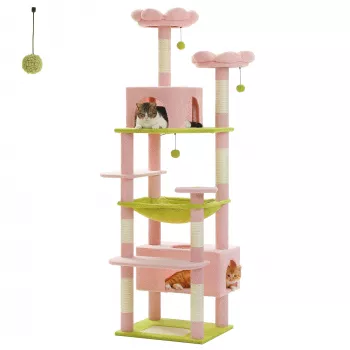
- Large Multi-Level Cat Tree Playhouse ($102.17) – A practical choice for cats that love climbing, perching, scratching, and nesting in one dedicated multi-tier setup.
- Solid Wood Cat Tree with Hammock & Nest ($578.32) – A premium alternative for homes prioritizing solid wood aesthetics, a sturdier furniture-like look, and cozy lounging features like a hammock.
FAQ
How tall should a multi-level cat tree playhouse be?
Aim for a height that gives your cat a true lookout perch while staying stable for jumping and turning. Consider your ceiling height and your cat’s mobility, and prioritize designs with intermediate steps if your cat isn’t a confident leaper.
Where is the best place to put a cat tree playhouse?
Near a window or in a room your household uses often typically gets the most engagement. Avoid blocking walkways, and keep it away from loud appliances or sudden noises that can make the area feel unsafe.
How do you get a cat to use a new cat tree?
Use catnip or treats, add a familiar blanket to a platform, and reward any sniffing or stepping onto the base. Start play near the bottom, then gradually lure your cat upward with a toy or treat so the climb feels inviting, not forced.















Leave a comment