Is a 1000W Power Station Worth It? Uses & Limits
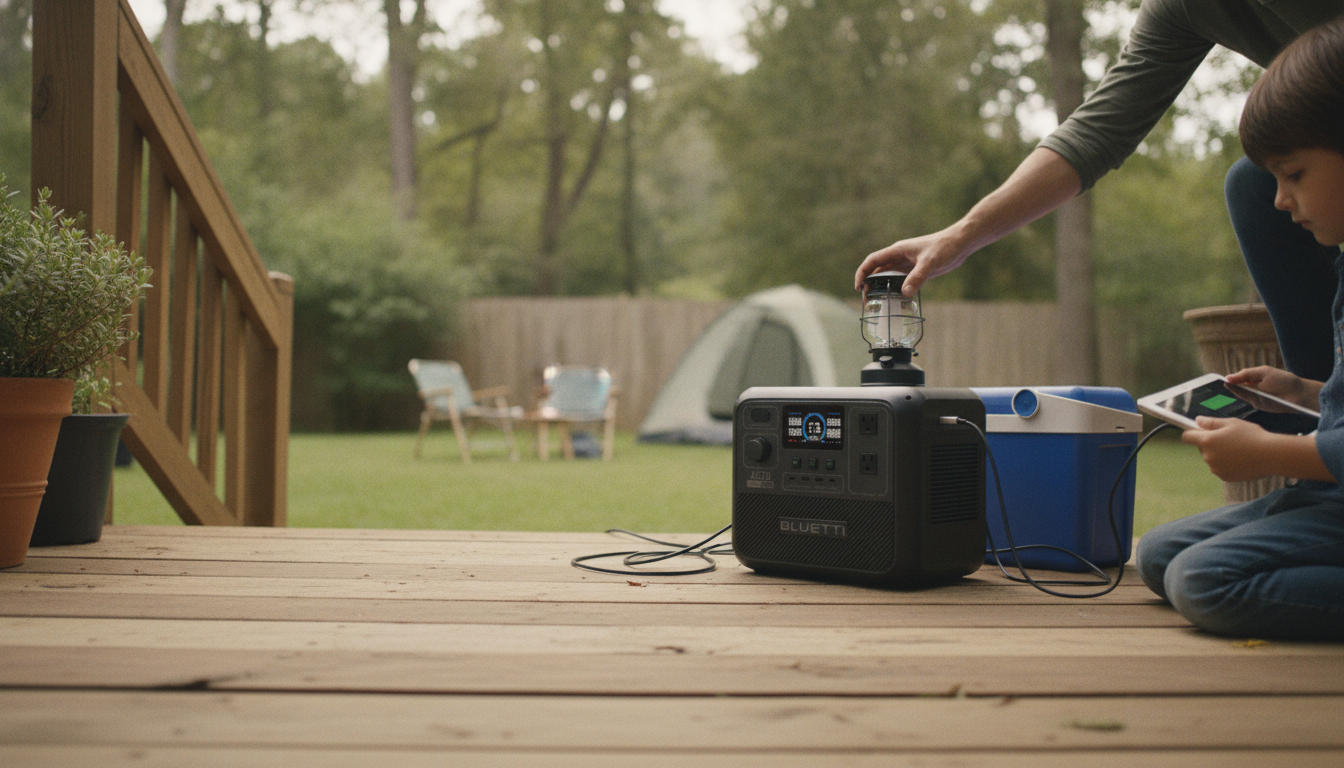
Is a 1000W power station good?
A 1000W power station is a strong “sweet spot” for many shoppers because it can run a wide range of everyday devices without the size, price, and weight jump that often comes with higher-wattage units. For camping, tailgates, van life, and light home backup, 1000 watts is typically enough to keep essentials powered and recharge multiple gadgets in one place.
What “1000W” really means
The 1000W rating refers to the maximum continuous power the inverter can supply. If your devices add up to less than 1000 watts at the same time, you’re generally good. If you try to run a 1200W appliance, the station may shut off to protect itself. Also check the surge rating (sometimes listed as “peak”); motors and compressors can briefly draw more power at startup than their running wattage.
What it can power well
A 1000W power station is usually a great match for phones, tablets, laptops, Wi-Fi routers, LED lights, fans, small TVs, camera gear, and many CPAP machines (especially when humidifiers are off or used efficiently). It can also handle some small kitchen appliances in short bursts—think a blender or modest coffee maker—if their wattage stays within limits.
Where 1000W can fall short
If the goal is to run high-draw heating or cooling devices, 1000W may feel limiting. Space heaters, hair dryers, electric kettles, toasters, and many microwaves can exceed 1000W. Full-size refrigerators and power tools may work only if their startup surge is within the station’s peak rating and you’re not powering much else at the same time.
Don’t ignore battery capacity
Wattage is only half the story; battery capacity (often shown in watt-hours, Wh) determines how long it runs. Two “1000W” models can perform very differently if one has a much larger Wh rating. For a deeper breakdown of choosing the right size, ports, and real-world use cases, see this guide: 1000W solar portable power station guide.
FAQ
How long will a 1000W power station run my devices?
Runtime depends on the battery’s watt-hours and the watts you’re using. As a rough method, divide usable Wh by your total load in watts; higher loads drain the battery much faster.













Leave a comment