Moss & River Grass Non-Slip Bath Mat: Absorbent Grip
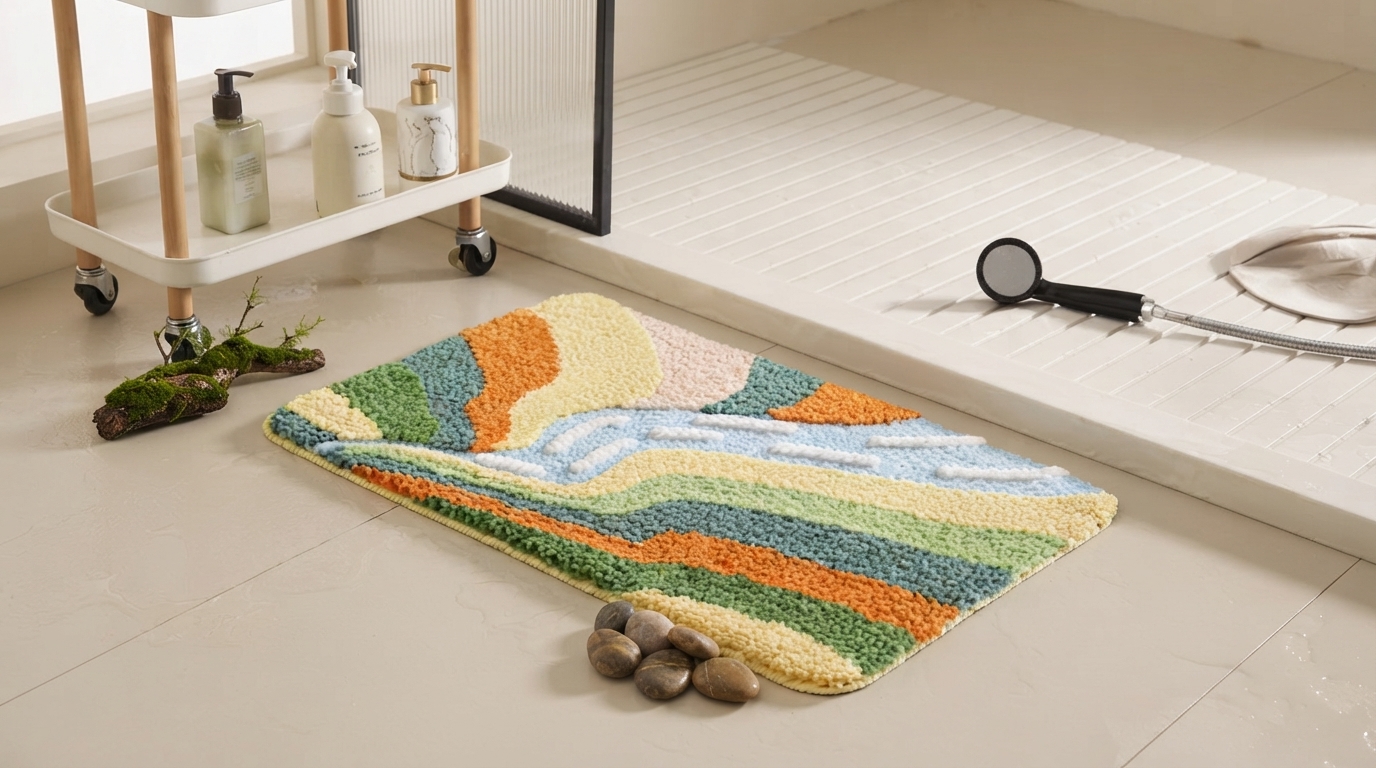
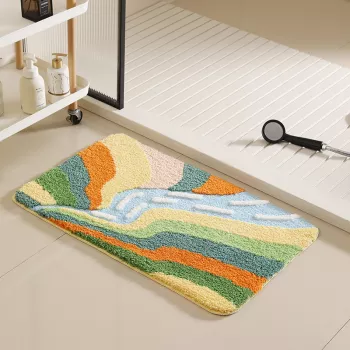
Non-Slip Moss River Grass Bath Mat – Water-Absorbing Bathroom Carpet
Stepping out of the shower should feel stable and comfortable, not slippery or soggy. A moss-and-river-grass style bath mat pairs a nature-inspired look with practical performance—helping manage splash zones, support sure footing, and keep the bathroom feeling fresher between cleanings. If your bathroom has smooth tile, stone, or laminate, a well-placed absorbent mat can also reduce damp footprints that travel from the shower to the vanity and beyond.
For broader home-safety context, agencies like the CDC and the U.S. Consumer Product Safety Commission (CPSC) highlight falls as a common household risk—making traction and tidy floors especially important in bathrooms.
What Makes a Moss + River Grass Bath Mat Different
- Nature-inspired surface design that adds texture and visual warmth to tile or stone floors
- Absorbent construction designed to take on drips quickly after showers, baths, or handwashing
- Non-slip backing intended to reduce shifting when placed on smooth bathroom flooring
- Works well in front of a shower, tub, vanity, or sink where water tends to collect
Compared with a basic looped towel-mat, the moss/grass-style texture tends to feel more “grippy” underfoot, which can be reassuring when feet are wet. Visually, it can soften a bathroom that leans modern or minimal by bringing in a spa-like, organic accent without adding extra decor.
Where It Fits Best in a Bathroom Layout
- Shower exit zone: place with the widest side facing the shower door or curtain opening to catch the first step’s water
- Tub edge: position with a small gap from the tub to limit constant saturation and help airflow
- Double-sink vanity: use centered placement where most foot traffic occurs (between basins if shared)
- Guest bath: choose a placement that is easy to see and avoids overlap with door swing
A simple layout rule: let the mat intercept water before it has a chance to spread. If the door swings inward, test the swing with the mat down to avoid bunching—bunched corners can become a trip edge and reduce the backing’s grip.
Comfort and Underfoot Feel
- Textured top can feel more secure than flat fabric on wet feet
- Cushioning and thickness determine how forgiving it feels on joints during daily routines
- Surface texture can help trap small droplets so they don’t spread across the floor
- For sensitive feet, keep the mat fully flat and avoid placing it on uneven grout ridges
Comfort is a mix of softness and stability. A thicker mat can be nicer for longer routines—brushing teeth, shaving, skincare—but it should still sit flat at the edges. If your tile has deep grout lines or uneven stone, rotate the mat or reposition slightly so the backing can make consistent contact.
Slip Resistance: Practical Setup Tips
- Place only on clean, dry flooring so the backing can grip properly
- Avoid layering on top of another rug; rug-on-rug reduces stability
- Let the mat dry between heavy uses when possible to maintain better traction
- If the bathroom floor is frequently coated with skincare oils, wipe the floor first to reduce slip risk
Non-slip backing performs best when it can “meet” the floor directly. A quick wipe where the mat sits—especially if lotions, hair products, or body oils are common—can make a noticeable difference in how reliably it stays put when you step down.
Water Absorption and Drying Behavior
Care, Cleaning, and Longevity
Quick Feature Guide for Daily Use
| Feature | Why it matters | Simple care tip |
|---|---|---|
| Non-slip backing | Helps the mat stay in place on smooth floors when stepping out wet | Keep the floor under the mat clean and dry before placing |
| Absorbent top layer | Reduces puddles and damp footprints across the bathroom | Hang or drape to dry after peak use times |
| Textured moss/grass-style surface | Adds grip and a spa-like feel underfoot | Vacuum gently to lift dust from texture without pulling fibers |
| Thickness and cushioning | Improves comfort for brushing teeth, skincare, and post-shower standing | Rotate the mat to distribute wear in high-traffic spots |
| Fast drying setup | Lower moisture time helps reduce odor and mildew risk | Increase airflow with a fan or open door after showers |
Who This Style of Mat Suits
Product Options
- Non-Slip Moss River Grass Bath Mat – Water-Absorbing Bathroom Carpet ($28.51): designed for everyday shower and sink areas with a non-slip base and absorbent surface.
- Soulful Success Checklist: Your Step-by-Step Guide to Spiritual Goals (Printable Digital Download) ($76.99): a structured checklist that pairs well with a calm, spa-like bathroom routine where small habits add up.
FAQ
Can a non-slip bath mat be used on heated bathroom floors?
Many non-slip mats can be used on heated floors when temperatures stay within typical residential ranges, but it’s best to check the product’s care guidance. Make sure the mat lies fully flat and periodically inspect the backing for any signs of softening or degradation over time.
How often should a water-absorbing bath mat be cleaned?
Shake out or vacuum weekly, then do a deeper clean about every 1–2 weeks depending on humidity, how many people use the bathroom, and whether pets are around. After any cleaning, let the mat dry completely to help prevent lingering odor or mildew.
Why does a bath mat start to smell damp even if it absorbs well?
Damp smell usually comes from moisture trapped underneath the mat, low ventilation, or buildup from body oils and soap residue. Improve airflow, allow drying between uses, and wash periodically so absorbed moisture and residue don’t linger.












Leave a comment