Kids Bookshelf With Reading Nook: Drawers & Cubbies
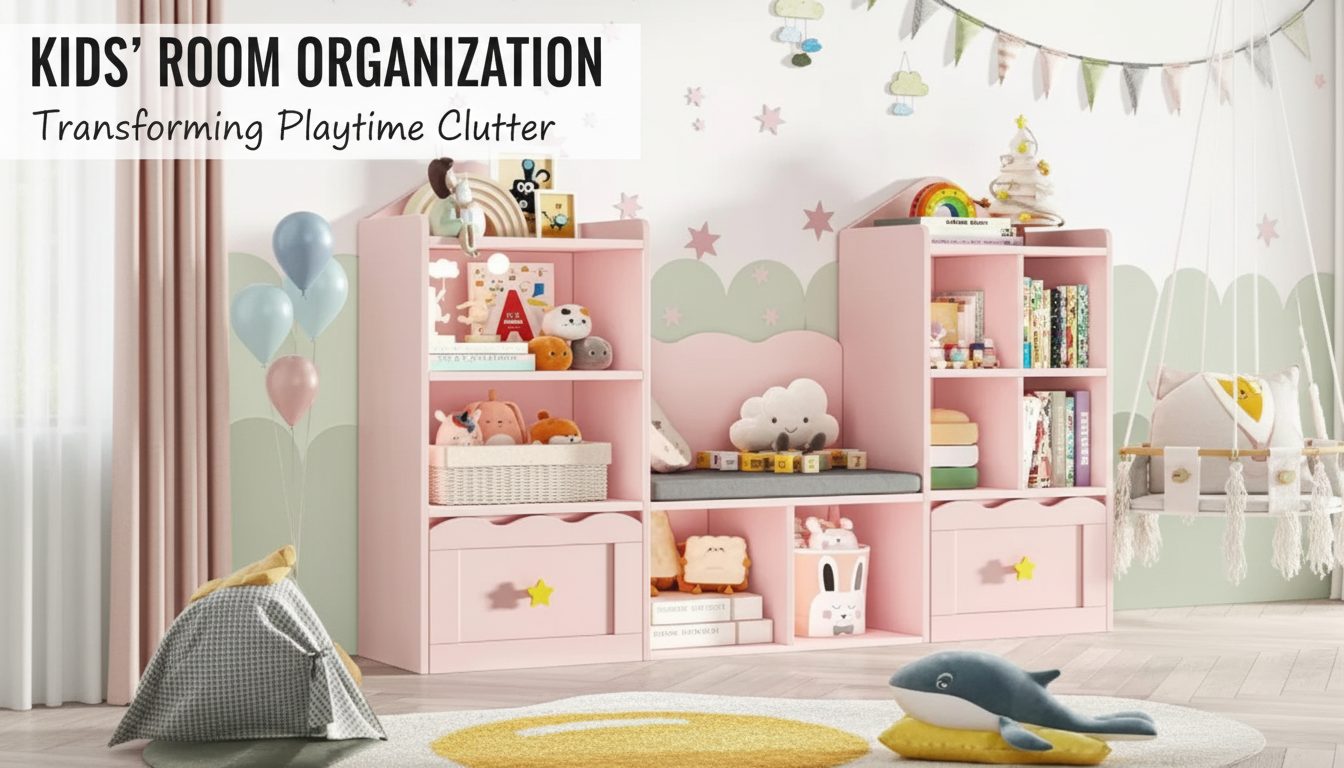
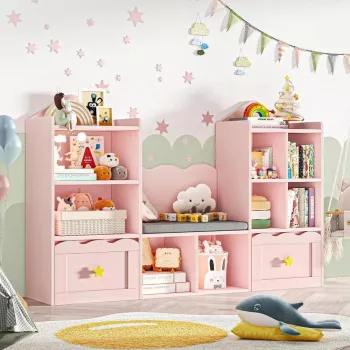
A well-designed reading corner can turn everyday tidying into an easy routine and make books feel inviting. This kids bookshelf combines a comfortable reading nook with practical toy storage—drawers for small pieces, cubbies for bins, and shelves sized for picture books—so the playroom or bedroom stays calmer without losing the fun.
What Makes This Bookshelf a Smart Room Upgrade
When one piece of furniture does multiple jobs well, the whole room starts working better. A kids bookshelf with a built-in reading nook creates a clear “home base” for books while also giving toys a dedicated landing zone.
- Reading nook encourages daily reading by giving books a dedicated, cozy home base.
- Mixed storage (shelves + cubbies + drawers) supports different toy types and keeps clutter contained.
- Kid-friendly layout helps children see, choose, and return books independently.
- One-solution footprint works well in small rooms where separate seating and storage won’t fit.
Storage Zones That Match How Kids Actually Play
Kids don’t “organize” the way adults do—they sort by how they use things. The most successful setup is the one that makes cleanup feel almost automatic: big categories in bins, tiny bits in drawers, and books displayed where they can be grabbed in seconds.
- Open shelves: best for front-facing or spine-out book storage; quick to browse and easy to reset.
- Cubbies: ideal for labeled bins—blocks, dolls, cars, costumes—sorted by category.
- Drawers: great for crayons, small figures, puzzle pieces, and accessories that otherwise roam the floor.
- Top surfaces and side edges: useful as a “library return” spot for books that need to go back later.
Where to Store Common Items
| Item type | Best spot | Why it works |
|---|---|---|
| Picture books and early readers | Open shelves | Fast browsing and quick put-away |
| Building sets and train tracks | Cubbies with bins | Sorted storage without tiny-piece spills |
| Art supplies and small parts | Drawers | Keeps small items contained and safer |
| Stuffed animals and dress-up pieces | Cubbies (larger bins) | Easy drop-in cleanup |
| Puzzles and board games | Shelves or a labeled cubby | Prevents box crushing and missing pieces |
Reading Nook Comfort: Small Details That Matter
A reading nook doesn’t need to be big to feel special. Comfort comes from a few practical choices that help kids linger with a book—and make it easy for caregivers to keep the area clean.
- Seat sizing: leave enough space for a child to sit with a book and shift positions comfortably.
- Cushion plan: add a slim, washable cushion or pad; a small lumbar pillow can help for longer reading sessions.
- Lighting: pair with a warm, glare-free lamp or wall light to reduce eye strain in the evening.
- Noise and calm: placing the nook away from the loudest play zone helps reading feel like a distinct activity.
To keep the nook from “taking over,” limit what lives within arm’s reach: a small rotation of books, one favorite plush, and a cushion that can be tossed in the wash.
Safety and Durability Checks for Kids’ Storage Furniture
Storage furniture should be as safe as it is helpful—especially in spaces where climbing, racing, and energetic play are normal. Tip-over prevention is a must for tall or climbable pieces. The U.S. Consumer Product Safety Commission recommends anchoring furniture to help reduce tip-over risks; review their guidance at CPSC: Tip-Over Prevention.
- Anti-tip anchoring: use wall anchors whenever possible, especially in high-traffic play spaces.
- Rounded edges and a stable base: reduces bumps during energetic movement.
- Drawer behavior: drawers should open smoothly and close securely; avoid overloading to prevent wobble.
- Materials and finishes: look for low-odor finishes and easy-to-wipe surfaces for everyday messes; general indoor air quality guidance is available via EPA: Indoor Air Quality.
Placement Ideas for Bedrooms, Playrooms, and Shared Spaces
Where you place the bookshelf can do half the organizing for you. The goal is to shorten the “distance” between where kids play and where things get put away.
Easy Routines That Keep It Organized All Week
Product Spotlight: Kids Bookshelf with Reading Nook and Toy Storage
If you’re trying to combine “cozy reading” with “actual storage that gets used,” a multi-zone piece can simplify the entire room. The Kids Bookshelf with Reading Nook and Toy Storage, Bookcase with Drawers & Cubbies is designed to bring books forward and keep toys sorted—without needing separate seating, extra shelves, and multiple storage units.
Quick Snapshot
| Feature | What it supports |
|---|---|
| Reading nook seat | A dedicated place to read and unwind |
| Open bookshelf storage | Easy browsing and book rotation |
| Cubbies | Bins for fast category sorting |
| Drawers | Contain small items and art supplies |
For families who like having a simple routine checklist to support calmer days (especially during busy weeks), the Feel Alive Again Checklist – Digital Download Self-Care Guide, Mindfulness eBook, Daily Wellness Routine, Mental Health Checklist, Quick Reset Practices can pair well with a nightly “pick a book, reset the room” rhythm.
FAQ
Should a kids bookshelf with a reading nook be anchored to the wall?
Yes—anchoring is a smart best practice for kids’ furniture. Use the included anti-tip hardware (or appropriate anchors for your wall type), follow the manufacturer’s instructions, and place the unit away from spots that encourage climbing.
What should go in drawers versus cubbies to keep cleanup easy?
Use drawers for small parts and supplies like crayons, mini figures, and puzzle pieces so they don’t spill or migrate. Use cubbies with bins for larger categories (blocks, dolls, cars), and keep it simple with one bin per category and clear labels.
How can the reading nook stay comfortable without taking over the room?
Add a slim, washable cushion, a small pillow, and a focused light source for the seat area. Keep only a small rotating selection of books within reach so the nook stays tidy and the rest of the storage can do its job.












Leave a comment