Booster Seat Safety Rules Every Parent Should Know
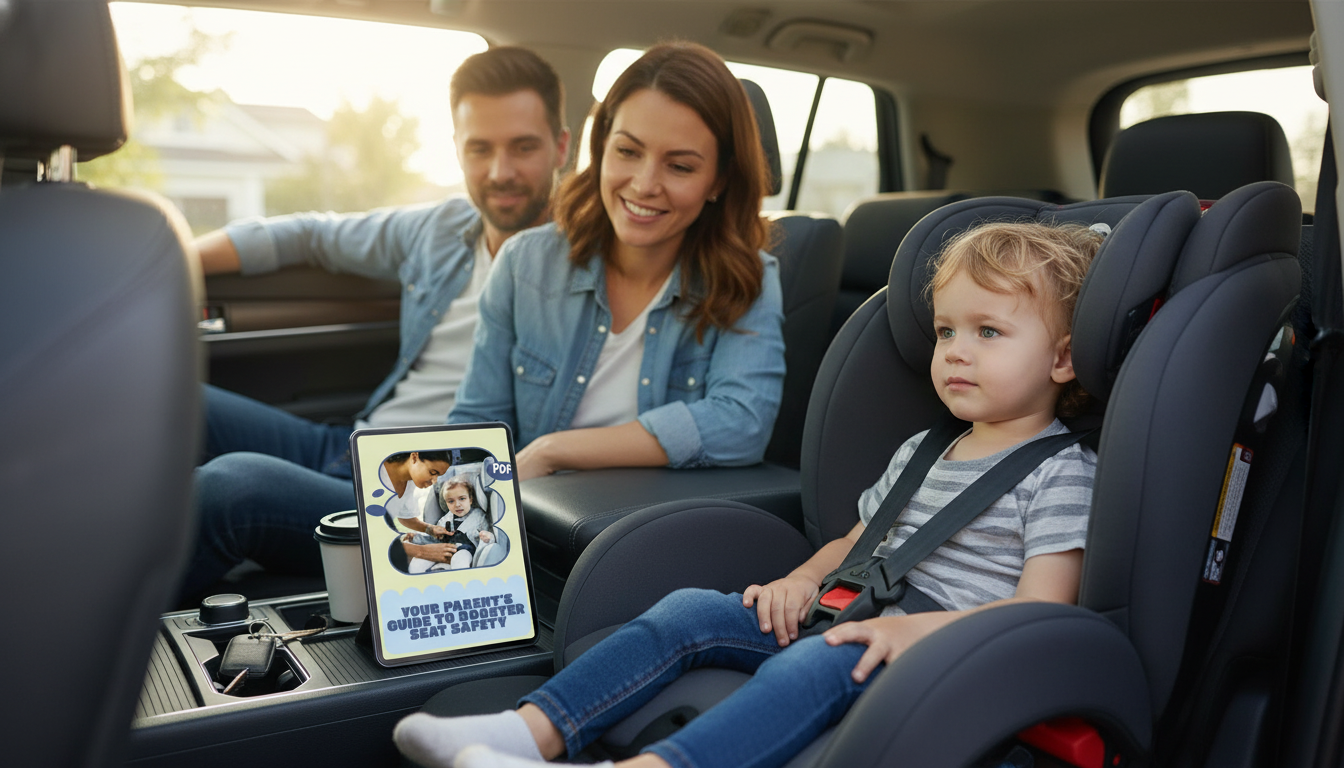
Your Parent’s Guide to Booster Seat Safety: Essential Rules for Safer Car Travel
Booster seats help position a child so the vehicle’s seat belt fits correctly—reducing injury risk in a crash. The goal is simple: keep the lap-and-shoulder belt on the parts of the body built to handle crash forces, and keep it there for the entire ride. Below are practical booster seat safety rules, common mistakes to avoid, and quick checks that make everyday errands, carpools, and long trips safer and less stressful.
Why Booster Seats Matter for Seat Belt Fit
A booster seat “boosts” a child up and back so the vehicle’s seat belt can do its job. Without a booster, the lap belt often creeps up onto the soft belly, and the shoulder belt may cut across the neck/face or slip off the shoulder—both of which can increase injury risk in a crash.
- Lap belt protection works best on strong bones. A properly used booster helps the lap belt sit low and snug across the upper thighs/hips (pelvis), not the abdomen.
- Shoulder belt positioning matters. The shoulder belt should cross the mid-chest and rest on the shoulder/collarbone area—never on the neck or upper arm.
- “Big enough” is about fit and behavior. Age alone doesn’t guarantee readiness. A child also has to sit upright (no slouching, leaning, or putting the belt behind the back) for the entire ride.
High-Back vs Backless Boosters: Choosing What Works in Your Vehicle
Both styles can be safe when they create excellent belt fit and provide adequate head support. The best choice depends on your vehicle seat, head restraints, and how well the belt naturally lines up with your child.
- High-back boosters are often a better match when the vehicle seat doesn’t provide head support up to at least the top of the child’s ears, or when a child needs extra help staying aligned with the shoulder belt.
- Backless boosters can work well when the vehicle has a head restraint that reaches at least ear level and the shoulder belt fits correctly without sliding off the shoulder.
- Side-impact support and belt guides can help with positioning and comfort. Check that the shoulder belt guide (if present) aligns the belt across the shoulder—not the neck.
- Belt geometry varies by seating position. If the shoulder belt rubs the neck or won’t stay on the shoulder even with correct posture, try another seating position or a different booster design that better guides the belt.
Quick Booster Seat Fit & Vehicle Match Checklist
| Check | What “Good” Looks Like | Common Problem | Quick Fix |
|---|---|---|---|
| Shoulder belt position | Crosses mid-chest and shoulder (not neck, not upper arm) | Cuts into neck or slips off shoulder | Adjust belt guide height (high-back) or try a different booster/seat position |
| Lap belt position | Low and snug across upper thighs/hips | Rides on belly | Reposition child’s hips back; confirm booster routes belt correctly |
| Head support | Vehicle headrest or high-back supports head to at least ear level | Head is above seatback without support | Use a high-back booster or a seating position with headrest |
| Child posture | Sits back, stays upright, no slouching | Slouches/leans, belt moves out of place | Practice “sit like a grown-up” rule; consider high-back for better positioning |
| Belt routing | Belt runs through correct guides with no twists | Twisted belt or routed outside guide | Re-route belt; smooth twists before buckling |
Essential Booster Seat Safety Rules (Every Ride, Every Time)
For families who want a phone-friendly checklist that can be shared with grandparents and babysitters, consider Your Parent’s Guide to Booster Seat Safety (digital guide).
When a Child Is Ready for a Booster—and When It’s Time to Stop
Common Mistakes That Reduce Protection
Safe Travel Routines: Carpools, Rideshares, and Road Trips
Long travel days can be tiring for caregivers too. If you like quick routines that are easy to follow, Feel Alive Again Checklist (digital download) can help you build a simple reset habit between busy drop-offs and road trips.
A Simple Digital Guide for Busy Parents
For more child passenger safety information, review guidance from NHTSA and the American Academy of Pediatrics.
FAQ
Can a booster seat be used with a lap-only seat belt?
In most cases, no. Most boosters are designed for a lap-and-shoulder belt so the upper body is properly restrained and the belt stays positioned on the shoulder and hips; check both the booster manual and your vehicle manual for any allowed exceptions.
Is a high-back booster safer than a backless booster?
It depends on belt fit and head support, not the label. High-back boosters are often preferred when the vehicle seat lacks adequate head restraint or when a child needs more help keeping the shoulder belt in the correct position.
How can belt fit be improved if the shoulder belt rubs a child’s neck?
Adjust the booster’s shoulder-belt guide (if available), try a different seating position, and confirm the child is sitting upright with their back fully against the seat. Avoid moving the shoulder belt under the arm or behind the back—those changes reduce protection.















Leave a comment