Dog Ear Infection Signs: Early Checklist for Puppies
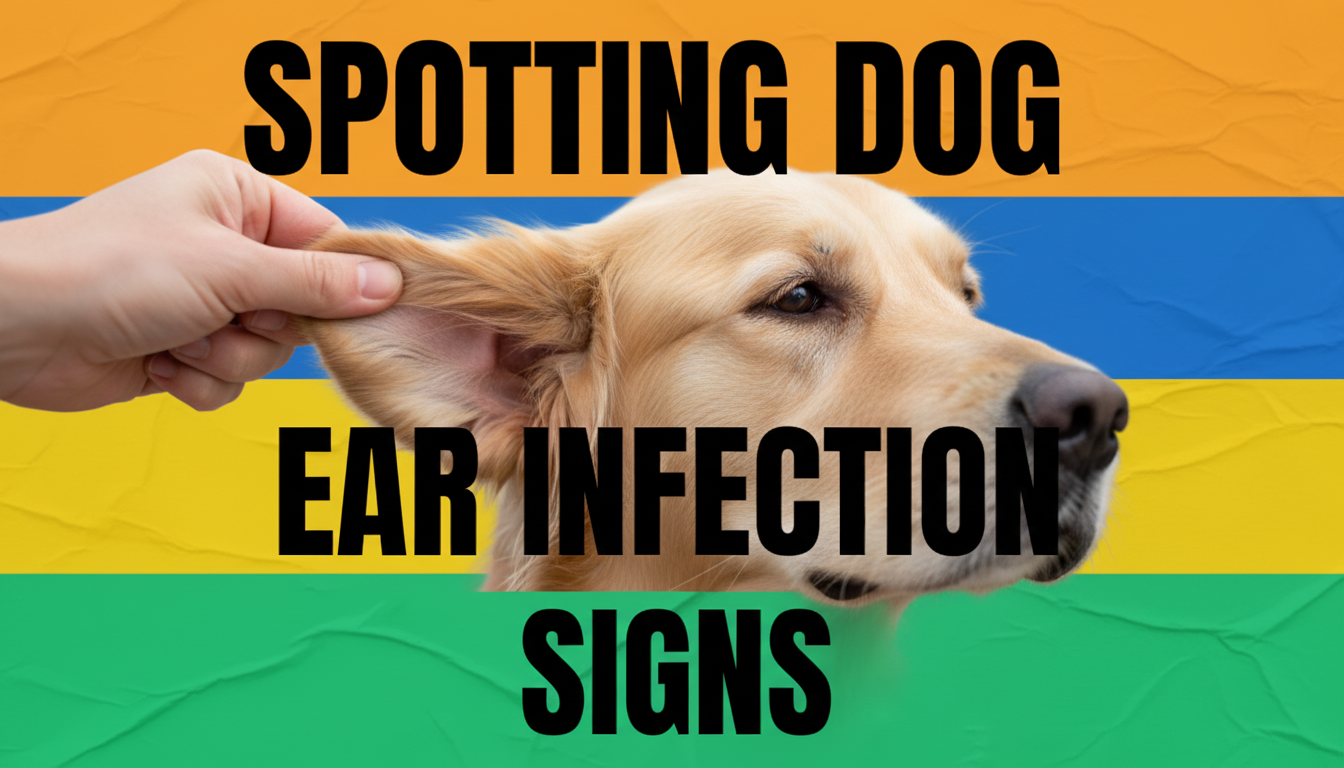
Spotting Dog Ear Infection Signs Early: A Practical Warning Checklist for Puppies and Adult Dogs
Ear infections can escalate quickly from mild irritation to painful inflammation, head shaking, and secondary skin problems. Catching changes early helps reduce discomfort and can prevent recurring flare-ups. Use the checklist below to recognize common warning signs, understand likely triggers, and know when home care is appropriate versus when a veterinarian is needed.
Why early detection matters
Dog ears can look “fine” on the outside while irritation is building deeper in the canal. Acting early is often the difference between a simple cleanup and a longer, more uncomfortable treatment plan.
- Dog ears are warm, often moist spaces where yeast and bacteria can multiply fast—especially after swimming, bathing, or humid weather.
- Persistent scratching and head shaking can lead to swollen ear canals, sores, and a harder-to-treat infection.
- Recurring ear infections sometimes signal underlying issues such as allergies, ear mites, foreign material (grass awns), or hormonal/immune conditions.
For a deeper medical overview of otitis externa (outer ear infections), see the Merck Veterinary Manual or VCA Animal Hospitals.
Fast at-home ear check: a 2-minute routine
A quick, consistent routine makes subtle changes easier to spot—especially in puppies, whose ear issues can move fast.
- Look: Compare both ears for redness, swelling, crusting, hair loss around the ear flap, or discharge.
- Smell: A sour, yeasty, or foul odor can be an early clue even before heavy discharge appears.
- Listen to behavior: Increased head shaking, ear scratching, face rubbing, or irritability during petting around the ears.
- Touch: Gently feel the base of the ear; heat, thickening, or pain response suggests inflammation.
- Check timing: Note whether symptoms start after swimming/baths, seasonal changes, new foods, or new grooming products.
If your dog has long, floppy ears or spends a lot of time in water, consider doing this check weekly so you can catch early redness or odor before it becomes painful.
Early warning checklist: signs and what they can indicate
Many ear problems start with one or two small changes. The goal is to notice patterns early—especially when one ear looks or smells different than the other.
- Head shaking more than usual, especially after waking or after outdoor play.
- Scratching at one ear repeatedly or pawing at the ear with yelps or flinching.
- Redness inside the ear flap or at the entrance of the ear canal.
- Waxy buildup, dark debris, or discharge (yellow/green may suggest infection; dark “coffee grounds” can be consistent with mites).
- Odor that wasn’t present before (often yeasty or musty).
- Ear sensitivity: pulling away, whining, or guarding when the ear is touched.
- Balance changes, head tilt, or stumbling (more concerning; can be associated with deeper ear involvement).
Quick guide to common ear infection signs
| What you notice | What it can suggest | How urgent it is |
|---|---|---|
| Mild redness, occasional scratching | Early irritation, moisture, allergies beginning | Monitor closely; improve drying/cleaning and reassess within 24–48 hours |
| Strong odor, waxy buildup, frequent head shaking | Yeast or bacterial overgrowth | Schedule a vet visit soon (especially if it persists >24–48 hours) |
| Yellow/green discharge, significant pain | Bacterial infection and inflammation | Vet visit promptly; avoid deep cleaning until evaluated |
| Dark crumbly debris, intense itching | Possible ear mites (more common in young pets, multi-pet homes) | Vet visit recommended; treat all pets if confirmed |
| Head tilt, loss of balance, vomiting, severe swelling | Possible middle/inner ear involvement | Urgent veterinary care |
Common causes and risk factors (especially for puppies)
Puppies often explore with their faces and play in damp environments, and their immune systems are still developing. That combination can make early ear irritation more likely to turn into a full infection if it’s missed.
- Moisture trapped in the ear after bathing/swimming; floppy-eared breeds may be more prone due to reduced airflow.
- Allergies (environmental or food) that cause chronic inflammation and recurrent ear issues.
- Ear mites, particularly in puppies or households with multiple pets.
- Foreign bodies like grass seeds/awns that trigger sudden one-sided pain and head shaking.
- Over-cleaning or using harsh products that disrupt the ear’s normal protective barrier.
- Anatomy and hair density in the ear canal; wax buildup that can trap debris.
The American Kennel Club also outlines common symptoms and prevention basics in its overview of ear infections in dogs.
What to do at home—and what to avoid
When a veterinarian is needed
Preventing future flare-ups
A printable checklist for faster decisions
If you want a ready-to-use reference you can keep on your phone or print for your grooming area, see Spotting Dog Ear Infection Signs Early: guide and warning checklist (digital download).
For pet parents who like structured routines (especially during stressful “flare-up weeks”), Feel Alive Again Checklist – Digital Download Self-Care Guide, Mindfulness eBook, Daily Wellness Routine, Mental Health Checklist, Quick Reset Practices can be a helpful companion for staying consistent with care, tracking, and follow-through.
FAQ
Can a dog ear infection go away on its own?
Mild irritation can improve if the trigger is removed (like moisture after a bath), but true infections often need a veterinary exam and medication. Waiting too long can worsen inflammation and make recurrence more likely.
How can ear mites be told apart from a yeast or bacterial ear problem?
Ear mites often cause intense itching and dark, “coffee-ground” debris, and they can spread in multi-pet homes, but yeast and bacteria can look similar. A veterinarian can confirm the cause by examining the ear and checking debris under a microscope.
Is it safe to clean a dog’s ears when they seem painful?
If the ear seems painful, swollen, or has heavy discharge, stop deep cleaning and have it evaluated to avoid injury and ensure proper treatment. Gentle wiping of the outer ear flap can be okay, but pain is a sign the ear may be too inflamed for routine cleaning.















Leave a comment