Silicone Teething Rings: Safety, Buying & Cleaning Tips
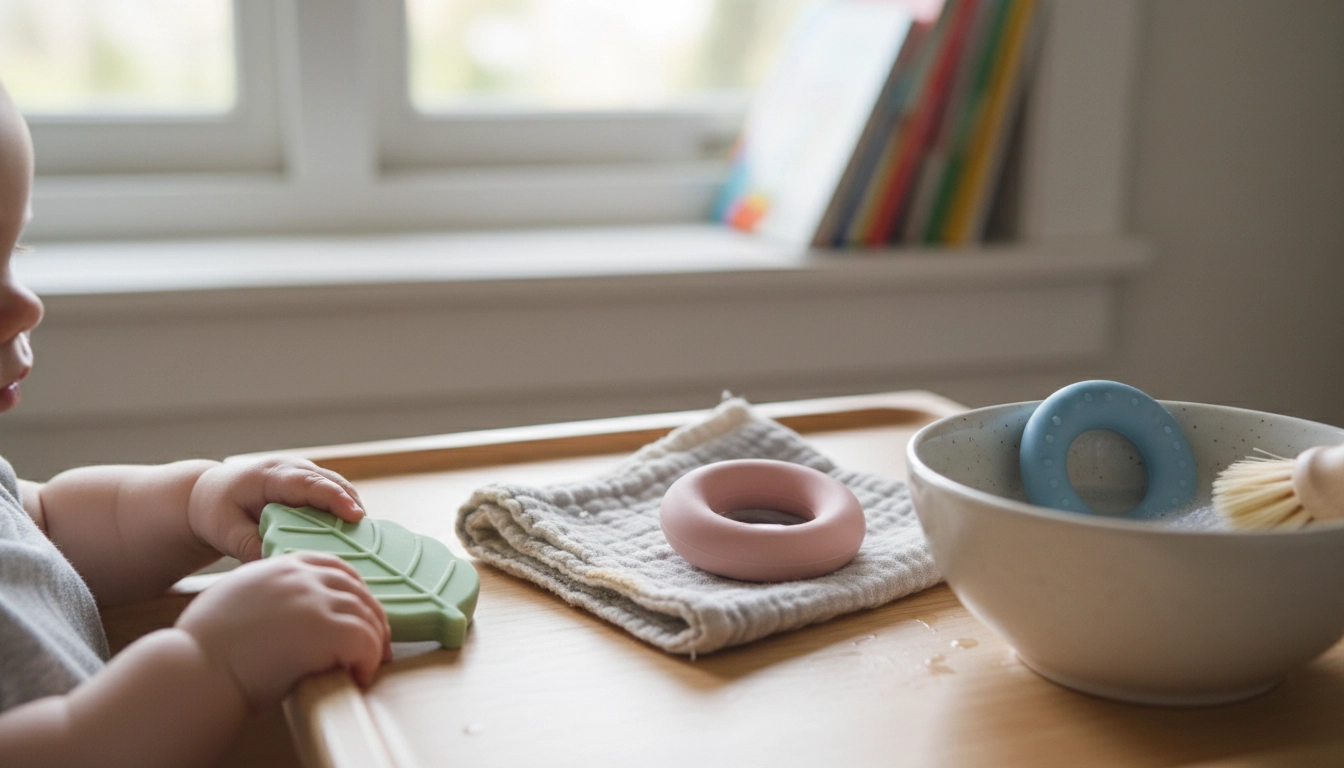
Are silicone teething rings safe for babies?
Silicone teething rings are generally safe for babies when they’re made from high-quality, food-grade silicone and used as directed. The biggest safety differences come down to the material’s purity, the product’s construction, and how the teether is cleaned and inspected over time.
What makes silicone a safer teether material?
Food-grade silicone is designed to be non-porous and durable, which helps it resist harboring bacteria compared with some absorbent materials. It also stays relatively stable across hot and cold temperatures, making it suitable for chilling (when the manufacturer allows it) without becoming brittle.
What to look for before buying a silicone teething ring
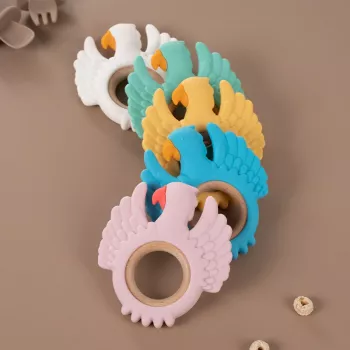
Choose a teether labeled food-grade silicone and made without BPA and similar additives. Look for a one-piece or securely assembled design with no easy-to-pull-off parts, and a shape that’s easy for small hands to grip without creating choking risks. If the teether includes mixed materials (like wood + silicone), check that the components are smooth, firmly attached, and finished appropriately for baby use.
For more detail on materials and what “BPA-free” really means for baby teethers, see this guide to BPA-free silicone and wood ring teethers.
Safe use and care tips
Inspect the ring before every use. Discard it if you see tears, cracking, swelling, stickiness, or loose seams—damage can create small pieces or weak points. Wash with warm, soapy water and rinse well; follow the maker’s instructions for dishwasher or sterilizer use. Avoid harsh cleaners or essential oils that can degrade silicone over time. Supervise teething like any other baby item and don’t attach teethers to long cords or necklaces.
For Silicone Teething Rings: Safety, Buying & Cleaning Tips, the best answer depends on fit, material, care instructions, and how the product will be used day to day.
FAQ
How do you clean a silicone teething ring?
Wash it with warm water and mild dish soap, then rinse thoroughly and air-dry. If the manufacturer allows, you can sanitize it using a dishwasher top rack or a steam sterilizer.















Leave a comment