Waterproof Camel Bag with Reflective Stripe: Hydrate Safer
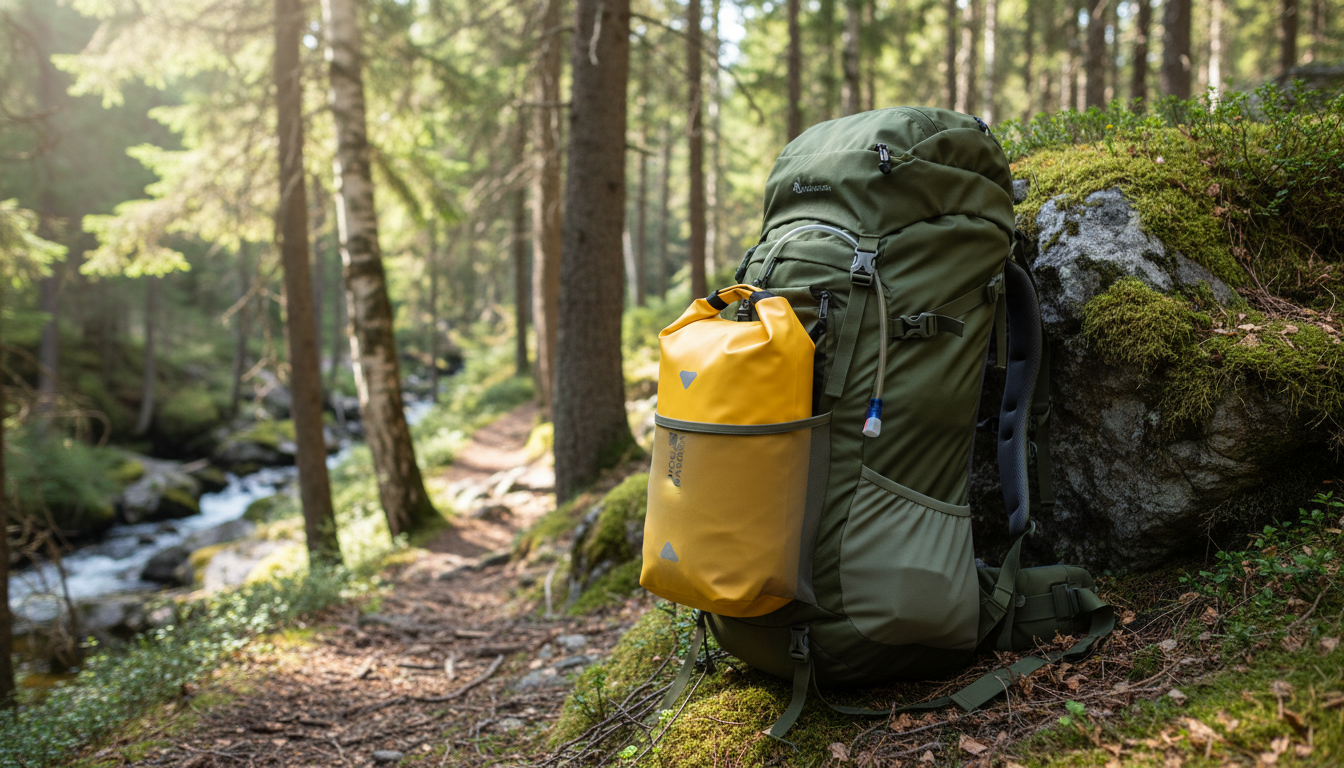
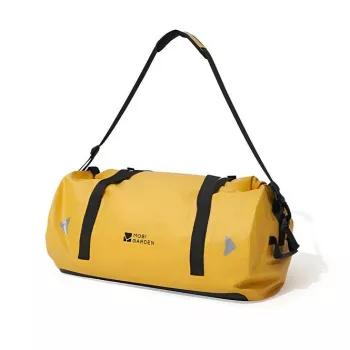
Multifunctional Waterproof Camel Bag with Reflective Stripe for Outdoor Adventures
A dependable hydration pack can make long days outside feel easier, safer, and more organized. The Multifunctional Waterproof Camel Bag with Reflective Stripe for Outdoor Adventures is built for changing weather, fast movement, and low-light visibility—ideal for hiking, cycling, running, commuting, and travel where hands-free hydration and secure storage matter.
What This Camel Bag Is Designed to Do
When you’re moving steadily—climbing a trail, spinning through city streets, or jogging a long route—stopping to dig through a backpack can break your rhythm. This camel bag style pack focuses on the basics that make outdoor time smoother:
- Support hands-free hydration during active outings while keeping essentials close
- Handle wet conditions with a water-resistant build that helps protect gear from rain and splashes
- Improve visibility after sunset or before sunrise with a reflective stripe
- Stay comfortable through adjustable straps and a close-to-body fit for stable movement
- Carry small items (phone, keys, snacks, tools) in organized pockets for quick access
Key Features That Matter Outdoors
Not all day packs handle the same situations. For outdoor use, it’s the details—fabric, layout, and stability—that determine whether a bag feels like a helpful tool or an annoying extra.
- Waterproof/water-resistant exterior: Helps reduce soak-through in rain, mist, and damp environments so your layers and supplies stay better protected.
- Reflective stripe: Enhances conspicuity when light hits the bag at night, giving drivers and other trail users a clearer chance to notice you.
- Multi-compartment storage: Makes it easier to separate items (like snacks vs. repair tools) and keep frequently used gear within reach.
- Lightweight profile: Helps reduce fatigue on longer hikes and rides—especially when you’re already carrying water.
- Versatile use: Works for trails, road cycling, outdoor festivals, day trips, and everyday carry when you want a compact setup.
Visibility and Safety in Low Light
Reflective details are a strong passive safety feature, but they’re most effective when paired with active lighting. The reflective stripe is designed to “pop” when light hits it, which is especially useful around headlights or streetlights.
- Reflective elements work best when paired with active lighting (headlights, bike lights, streetlights).
- Placement on the bag can help others notice movement from behind as you walk, run, or ride.
- For dawn/dusk travel, pair reflective gear with a rear bike light or a headlamp for clearer visibility.
- In fog or rain, add bright outerwear for layered visibility beyond reflectivity alone.
For additional guidance on riding and being seen, review the NHTSA bicycle safety recommendations.
Comfort, Fit, and Stability on the Move
A hydration pack should feel secure without feeling restrictive. The goal is a centered fit that stays put when you change pace, corner, climb, or descend.
- Adjustable shoulder straps: Help distribute weight and reduce bounce.
- Snug, close-to-body ride: Supports running and cycling where shifting can cause chafing and distraction.
- Smart loading: Keep heavier items closest to the back panel to improve balance and reduce sway.
- Final strap check: Tighten straps after loading; a well-packed bag rides more comfortably than a loosely packed one.
- Prevent pressure points: Use pocket organization so hard edges (multi-tools, CO₂, power banks) don’t press into your back.
Packing Strategy for Day Hikes, Rides, and Travel
Efficient packing is less about carrying more and more about carrying what you’ll actually use—where you can reach it quickly. A compact camel bag works best when you prioritize hydration, safety, and weather readiness.
- Hydration: Water supply plus electrolyte tabs for longer sessions (heat and sweat can increase fluid needs).
- Safety: Small first-aid kit, whistle, and an emergency contact card.
- Weather: Packable rain shell in an outer pocket for quick access.
- Tech: Phone in a protected pocket; in heavy rain, use a small dry pouch as extra insurance.
- Trail/road needs: Snacks, sunscreen, insect repellent, multi-tool, spare tube/CO₂ (cycling).
Quick Packing Guide by Activity
| Activity | Must-Pack Items | Nice-to-Have Add-ons |
|---|---|---|
| Hiking (half day) | Water, snacks, rain layer, basic first aid | Trekking pole straps, blister care, compact sit pad |
| Cycling (road/commute) | Water, mini pump/CO₂, tube/patches, lights | Chain quick link, disposable gloves, reflective ankle band |
| Running (long route) | Water, phone/ID, gels, key storage | Anti-chafe balm, lightweight windbreaker |
| Travel/day trip | Water, wallet, phone, charger cable | Foldable tote, hand sanitizer, compact umbrella |
Water Resistance: What to Expect in Real Conditions
Hydration planning matters even more in hot conditions—see the CDC guidance on heat stress for practical prevention tips during workouts and outdoor labor.
Care and Maintenance for Longer Lifespan
Who This Bag Fits Best
Common Mistakes to Avoid
Gear Pairings Available Now
- Multifunctional Waterproof Camel Bag with Reflective Stripe for Outdoor Adventures
- New Balance Men’s Green Cotton T-shirt with Pocket
- Feel Alive Again Checklist – Digital Download Self-Care Guide
FAQ
Is the reflective stripe enough for night cycling or running?
Reflectivity helps others see you when light hits it, but it works best alongside active lighting like a rear bike light or headlamp. For safer low-light travel, combine reflective elements with proper lights and high-visibility clothing.
How waterproof is a waterproof camel bag in heavy rain?
Many packs use water-resistant materials that resist splashes and light-to-moderate rain, but heavy downpours can still push moisture through seams and zippers. For valuables, add a dry pouch or sealed bag and avoid prolonged exposure to standing water.
How should a hydration pack fit to prevent bouncing?
Load the pack first, then tighten the shoulder straps for a snug, centered fit that keeps weight close to your back. Place heavier items nearest the back panel and use stabilization straps (if available) to reduce movement and chafing.














Leave a comment