A Wardrobe That Works: Simple System, Fewer Outfits Stress
Build a Wardrobe That Works: A Simple, Repeatable System
A wardrobe that “works” makes daily dressing easier, reduces wasted purchases, and supports the life actually being lived. The simplest approach is a clear style direction, a tight color plan, and a small set of reliable outfits built from versatile pieces. Use the steps below to edit what’s already owned, fill the real gaps, and keep the closet easy to maintain.
Start with your real life: outfits before items
Instead of starting with a shopping list, start with your calendar. When clothes match your actual week, getting dressed stops feeling like a daily puzzle.
- List your weekly situations (work, school runs, errands, social plans, travel, workouts, downtime) and estimate how many outfits each needs.
- Choose 2–3 go-to outfit formulas per situation. Examples: straight-leg jeans + tee + structured layer; midi skirt + knit top + sneakers; tailored trousers + simple top + loafers.
- Write down comfort and practicality requirements: temperature range, fabric sensitivities, movement needs, and any footwear limits.
- Define “works” in measurable terms: fewer last-minute changes, fewer unworn items, easier mixing, and a consistent feel in photos.
Once outfit needs are clear, it becomes obvious which pieces are truly missing—and which purchases were never going to earn their keep.
Clarify your style direction in 10 minutes
A strong wardrobe doesn’t require a complicated “aesthetic.” It needs a consistent point of view you can repeat on busy mornings.
- Pick 3 style words that describe how outfits should feel (polished, relaxed, modern; soft, minimal, put-together; sporty, clean, practical).
- Collect 10 outfit references that match those words and note repeats (silhouettes, shoe types, neckline shapes, layering pieces).
- Identify your non-negotiables: favorite rise, preferred hem lengths, sleeve shapes, and necklines that always flatter.
- Set one simple “what not to buy” rule (no fussy fabrics, no shoes that require breaking in, no one-off statement prints unless they match the color plan).
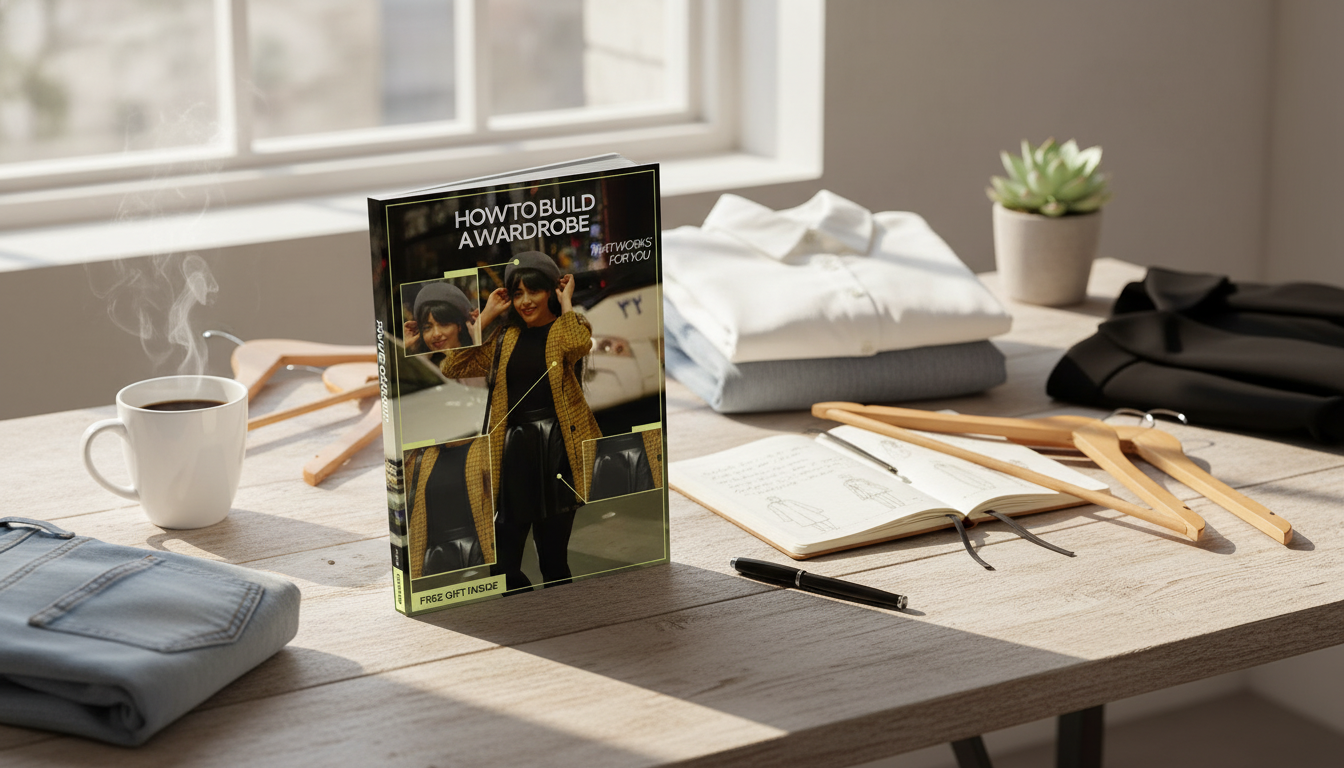
If you want a structured shortcut, the How to Build a Wardrobe That Works for You | Simple Style Guide eBook can help turn preferences into a clear set of repeatable choices.
Edit what you own: keep, tailor, store, release
Editing is where the wardrobe starts working immediately—often without buying anything. The goal is to make the right options visible and the wrong options harder to “accidentally” wear.
- Pull everything out by category. First pass: keep items worn in the last 12 months; set aside anything needing repair or tailoring.
- Try on “maybe” pieces and judge them by fit, comfort, fabric quality, and whether they match at least two outfit formulas.
- Create a small testing rack for borderline items; wear them within 30 days or let them go.
- Store off-season items and special-occasion pieces separately so everyday options stay front and center.
Letting go can feel wasteful, but unused clothing also carries a cost. Textile waste is a real issue, and learning to buy less (and better) is a meaningful lever—see the U.S. EPA textile materials data and the Ellen MacArthur Foundation’s work on a more circular system in A New Textiles Economy.
Choose a tight color palette that mixes effortlessly
A tight palette is the easiest “system” to maintain because it does the mixing work for you. When most items live in a small set of compatible colors, outfits assemble quickly and look intentional.
- Pick 2 neutrals for your base (black + ivory; navy + camel; charcoal + white) and commit to them for most tops, bottoms, and outerwear.
- Add 1–2 accent colors that match your taste and lifestyle; use them in tops, accessories, or one hero layer.
- Use a repeat rule: any new color should appear in at least 3 items across the wardrobe to stay mixable.
- Keep prints simple and aligned to your palette (stripes, small checks, subtle florals) so they combine with basics.
| Type | Option A | Option B | Notes |
|---|---|---|---|
| Neutral base | Black | Ivory | Most worn; easy to dress up/down |
| Neutral base | Navy | Denim blue | Great for casual-to-work looks |
| Accent | Olive | Burgundy | Use in tops, scarves, bags |
| Metal/texture | Gold | Silver | Choose one for consistency |
Build a small set of outfit-building blocks
If your casual formulas lean on tees, the New Balance Men’s Green Cotton T-shirt with Pocket is the kind of simple foundation that can pull together denim, chinos, or casual tailoring—especially when your palette is consistent.
Shop the gaps with a “one-in, one-out” plan
Make it easy to follow: a simple guide and a weekly reset
When daily life feels chaotic, a reset routine can support follow-through. The Feel Alive Again Checklist – Digital Download Self-Care Guide pairs well with a weekly wardrobe reset because it keeps the focus on simple, repeatable habits.
FAQ
How many pieces should a simple wardrobe have?
A practical range is often 30–60 everyday pieces, but it depends on climate, laundry frequency, and how many weekly situations need outfits. Start with a core set that covers most weeks (often 12–20 key items) and expand only when a real, recurring gap shows up.
What if everything in the closet feels close but not quite right?
Do a focused try-on and write down the most common fit problems (rise, shoulder width, sleeve length, tightness through hips). Tailor the few pieces that would become “instant favorites,” and use a 30-day testing rack so borderline items either earn a spot through wear or get released.
How can a wardrobe stay interesting without buying a lot?
Rotate accent colors, swap shoes and layers, and add one textured accessory to change the feel of the same outfit formula. Consistency in palette and silhouettes creates cohesion, while small variations keep outfits from feeling repetitive.













Leave a comment