Rural Real Estate Investing: Due Diligence eBook Guide
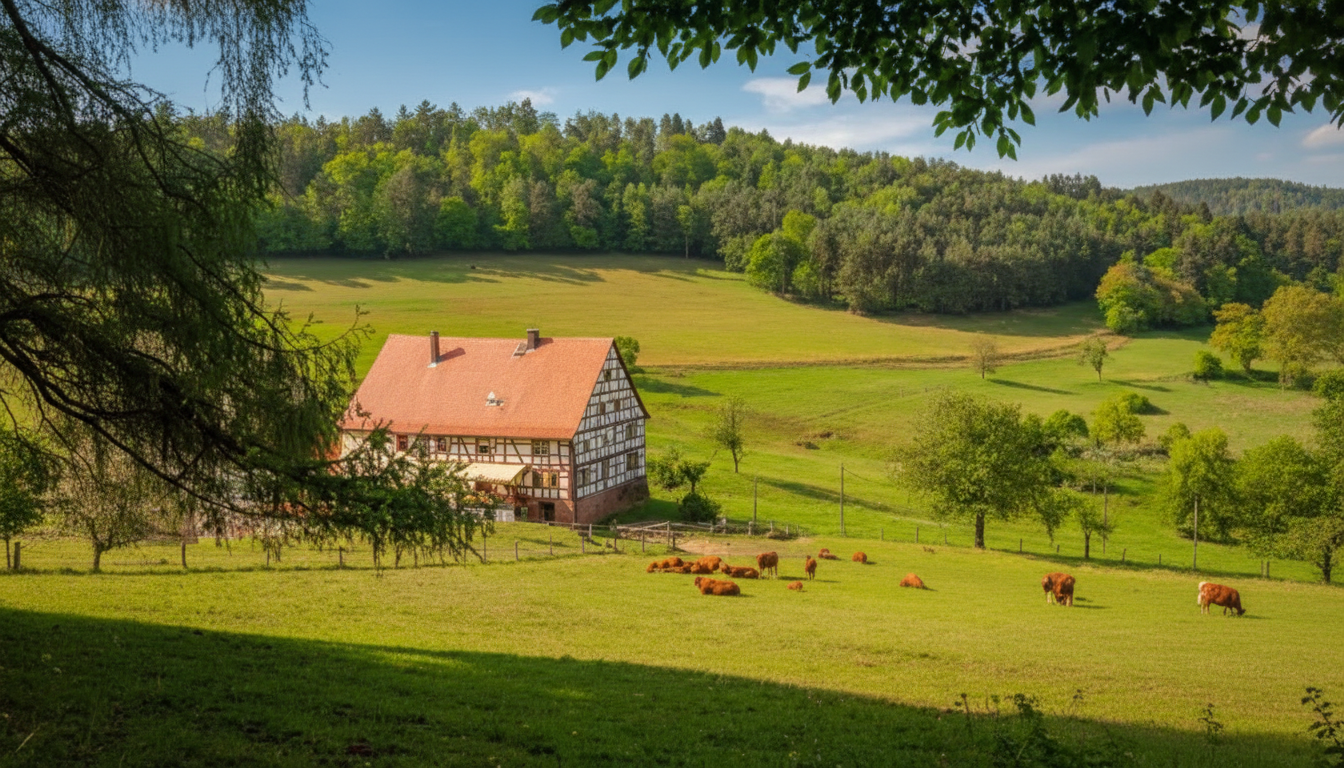
Your Smart Guide to Investing in Rural Real Estate (Digital eBook): A Practical Start for New Investors
Rural property can offer affordability, lifestyle-driven demand, and unique value-add opportunities, but it also comes with different risks than urban markets—utilities, access, zoning, and local economics matter more than hype. This guide breaks down how to evaluate rural deals, structure a simple due-diligence process, and use a beginner-friendly digital eBook to build repeatable habits before making an offer.
What Makes Rural Real Estate a Different Game
Rural investing rewards buyers who can separate “pretty land” from “workable property.” Demand drivers often look different than city markets, and they don’t always move in sync with national headlines.
- Demand drivers vary by county: local employers, agriculture, recreation/tourism, retirees, and remote-work migration can each influence pricing and rent in different ways.
- Comps can be sparse: valuation often depends on recent nearby transactions, land characteristics, and replacement costs more than a neat set of comparable sales on the same block.
- Infrastructure is a major variable: wells, septic systems, road access, and outbuildings can matter as much as the house itself.
- Exits can be slower: plan for longer days-on-market and wider pricing spreads when it’s time to sell or refinance.
To get a clearer picture of rural economic trends, it helps to review primary data sources like the USDA Economic Research Service and regional population/employment updates.
Beginner-Friendly Deal Types to Consider
Not all rural deals have the same complexity. A smart first purchase often balances “simple enough to manage” with “enough upside to justify the extra diligence.”
- Small single-family homes in town centers: usually easier comps, utilities, and tenant pools than truly remote properties.
- Acreage with a modest home: land usability, privacy, and outbuildings can add value, but confirm access and ongoing utility costs.
- Recreation-adjacent rentals: lakes, parks, and trail systems can create strong demand; confirm local short-term rental rules first.
- Light value-add projects: focus on cosmetics and safety repairs; be cautious with projects that rely on scarce contractors or specialized permits.
Rural property types: upside vs. friction
| Property type | Typical upside | Common friction to check |
|---|---|---|
| In-town single-family | Clearer tenant demand, easier comps | Aging housing stock, local job concentration |
| Home + acreage | Land value, privacy premium, flexibility | Well/septic, access easements, fencing/maintenance |
| Cabin/recreation rental | Premium rates in peak seasons | Seasonality, STR restrictions, insurance and safety rules |
| Small multifamily (2–4 units) | Diversified income stream | Limited inventory, older systems, local rent ceiling |
A Simple Due-Diligence Checklist for Rural Properties
A rural checklist should prioritize “deal breakers” first—items that can make the property unfinanceable, uninsurable, or unusable for your intended strategy.
- Access and boundaries: confirm legal access, easements, and whether roads are public, private, or seasonal; verify parcel lines with county maps and records.
- Water and wastewater: test well yield/quality; inspect septic age, permits, and drain field condition; price replacement scenarios.
- Utilities and connectivity: confirm power, propane, fiber/cable availability, and realistic internet options for modern tenants/buyers.
- Land and environment: flood risk, wetlands, slope, timber value, and prior uses; check local and federal maps where applicable.
- Zoning and use: verify what can be built, rented, subdivided, or farmed; confirm restrictions on mobile homes, livestock, or short-term rentals.
- Insurance and hazards: wildfire, wind, distance to fire services, and outbuilding coverage; request quotes early.
- Local market reality: employment anchors, school districts, and vacancy trends; confirm rent ranges with property managers and active listings.
Flood exposure is one of the quickest “surprise costs” in rural areas with creeks, low bridges, or seasonal access. For a reality check, consult the FEMA Flood Map Service Center while you’re still screening the deal.
Running the Numbers Without Overcomplicating It
Rural deals don’t require fancy spreadsheets—just disciplined, conservative inputs. The goal is to avoid a good-looking listing that becomes a cash drain after closing.
- Estimate conservative income: use realistic rent ranges, plan for seasonality if applicable, and avoid assuming perfect occupancy.
- Budget rural-specific operating costs: well/septic servicing, propane, gravel driveway maintenance, snow removal, pest control, and longer travel time for vendors.
- Stress-test the deal: model higher vacancy, higher repairs, and slower resale; require a margin of safety that fits the market’s liquidity.
- Keep a reserves rule: plan for major systems (roof, HVAC, septic) and remote-service premiums; reserves work best when they’re baked in from day one.
When you need broader housing-market context (including migration, demand patterns, and sales activity), reliable summaries from National Association of Realtors Research and Data can help you compare local observations against national trends.
How the Digital eBook Helps New Investors Stay Consistent
If you want a streamlined starting point, explore Your Smart Guide to Investing in Rural Real Estate (Digital eBook PDF Download).
Practical Ways to Use the Guide Before Making an Offer
For investors also comparing small commercial properties or mixed-use buildings in rural town centers, Your Smart Start Checklist for Commercial Property Success (Digital Download) can complement a residential-focused process.
Download Details and What to Expect
FAQ
What should be checked first when buying rural property as an investment?
Start with legal access (roads and easements), water/septic status and the ability to test them, zoning/use restrictions, and insurance availability. Any one of these can make an otherwise “cheap” property unworkable.
Is rural real estate harder to value than city property?
Often yes, because comparable sales may be limited and parcels can differ drastically in usability and utilities. Using conservative assumptions and adjusting for land features and infrastructure helps reduce valuation risk.
Can rural properties cash flow well as rentals?
Yes—especially in stable employment towns or recreation corridors—but performance depends on realistic vacancy, higher maintenance premiums, and compliance with local rental rules, including any short-term rental restrictions.
















Leave a comment