Manual Home Sparkling Water Maker: Fresh Fizz Anytime
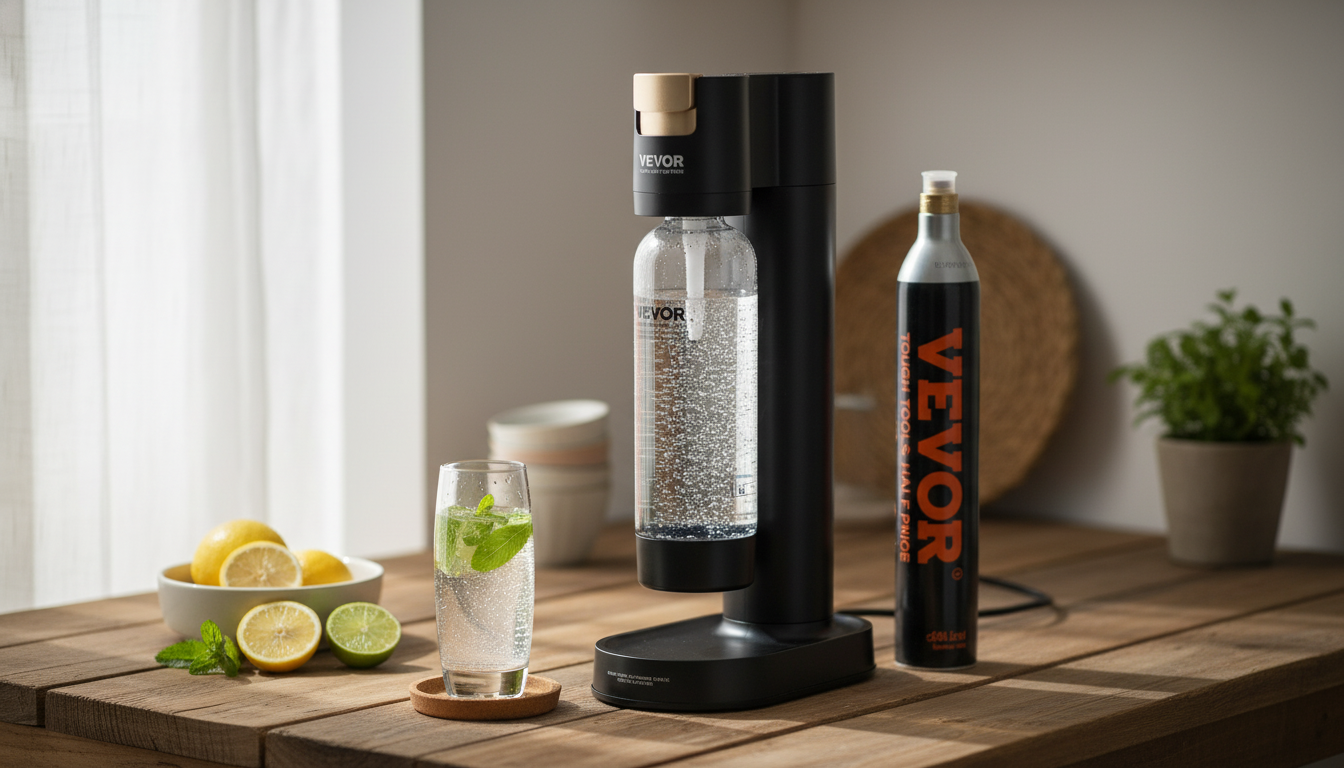
Home Sparkling Water Maker: A Manual Soda Machine for Fresh Fizz Anytime
A manual sparkling water maker is a straightforward way to carbonate water at home without plugging in an appliance or stocking your fridge with cans. With a reusable 1L bottle and a press-style carbonation mechanism, you can adjust fizz to your taste, make sparkling water on demand, and keep cleanup simple by adding flavors after carbonation. This guide explains what a manual unit is designed to do, how CO2 compatibility typically works, and how to get consistent carbonation with fewer overflows.
What this manual sparkling water maker is designed to do
This type of countertop soda machine focuses on everyday practicality: quick setup, predictable bubbles, and easy maintenance.
- Carbonates cold water in a reusable 1L bottle using a manual press/charge mechanism.
- Keeps the setup countertop-friendly by avoiding power cords, motors, and charging docks.
- Supports a routine of making plain sparkling water first, then adding flavors afterward to reduce sticky buildup.
- Prioritizes regular use: easy bottle locking, fast swaps, and wipe-down cleaning.
If you want a plug-free, fuss-free option for daily sparkling water, consider the Home Sparkling Water Maker – Manual Soda Machine with 1L Bottle & CO2 Compatibility.
Key features to look for in everyday use
Manual soda machines can look similar at a glance, but a few details make a noticeable difference in daily operation.
- 1L bottle capacity: big enough for a couple of glasses or a meal-prep pitcher. For better carbonation, chill the filled bottle before charging.
- Manual control: carbonation strength is typically adjusted by the number of presses/charges rather than a single “preset” button.
- CO2 cylinder compatibility: not every machine fits every cylinder. Confirm the connection type before buying refills or spares.
- Stability and footprint: a steady base and a bottle lock that “clicks” confidently can help prevent spills and reduce fiddling.
- Low-maintenance design: fewer electronic parts generally means fewer failure points and easier storage.
Quick checklist before buying CO2 refills
| Check | Why it matters | What to confirm |
|---|---|---|
| CO2 cylinder type | Not all cylinders fit every machine | Cylinder standard/connection supported by the unit |
| Adapter requirements | Some setups need an adapter to use alternate cylinders | Whether an adapter is included or needed separately |
| Refill availability | Convenience and long-term running cost | Local exchange programs or mail-in refills |
| Bottle compatibility | Proper sealing and safety depend on fit | Use the included 1L bottle or verified compatible replacements |
| Storage and handling | CO2 is pressurized gas | Upright storage, cool/dry place, away from heat sources |
How to get better carbonation (and fewer overflows)
Most carbonation mishaps come down to temperature, fill level, and how the gas is introduced. A few small habits can noticeably improve results.
- Start cold: refrigerate water in the 1L bottle before carbonating. Colder water absorbs CO2 more effectively, so you get more fizz with less waste.
- Fill to the correct line: overfilling increases foaming and can push water toward the valve area, creating mess and weakening carbonation consistency.
- Press in short bursts: several shorter presses usually foam less than one long press, helping CO2 dissolve more evenly.
- Let it settle: after charging, allow the bottle to rest briefly before removing it to reduce spray and bubbling over.
- Add flavors after carbonation: syrups, juices, and powders tend to foam. Carbonate plain water first, then mix gently.
For an extra-smooth pour, angle the glass and pour down the side rather than straight into the center—especially when you’ve added flavorings.
CO2 compatibility and safety basics
- Use food-grade CO2 cylinders: and follow the cylinder supplier’s handling guidance. The U.S. Food & Drug Administration lists carbon dioxide among regulated food additives (FDA resource).
- Inspect seals and connections: a secure seal helps maintain pressure and improves carbonation consistency from bottle to bottle.
- Avoid heat exposure: don’t store cylinders near stoves, radiators, fireplaces, or inside hot vehicles. For broader compressed-gas safety guidance, reference the Compressed Gas Association (CGA).
- If gas seems to leak: stop use, ventilate the area, and re-check the connection and gasket before trying again.
- Keep bottles in good condition: replace bottles that show cracks, deep scratches, or deformities to reduce leak risk.
Water quality matters, too. If your tap water taste varies seasonally, filtering can improve the flavor of plain sparkling water—learn more basics from the U.S. EPA.
Cleaning and maintenance for long-term performance
Who this setup fits best
For a small add-on that pairs well with a hydration routine, the Feel Alive Again Checklist – Digital Download Self-Care Guide can help turn “drink more water” into a repeatable daily habit.
At-a-glance comparison: manual soda maker vs. buying bottled sparkling water
| Factor | Manual soda machine | Bottled sparkling water |
|---|---|---|
| Fizz control | Adjust by number of presses/charges | Fixed per brand/product |
| Space at home | Small countertop footprint + CO2 cylinder storage | Requires pantry/fridge space for multiple bottles/cans |
| Waste | Reusable bottle system reduces single-use packaging | Typically single-use packaging per serving |
| Availability | Depends on CO2 refills and bottle condition | Depends on store stock and selection |
FAQ
Does a manual sparkling water maker need electricity?
No. Manual units carbonate using a press/lever mechanism and a CO2 cylinder, so they don’t require an outlet—just cold water in the compatible bottle and a properly connected CO2 source.
Can flavored water be carbonated directly in the bottle?
It’s usually better to carbonate plain, cold water first and add flavor afterward. This helps reduce foaming, clogging, and sticky residue buildup; always follow the manufacturer’s guidance for your specific machine.
How can carbonation be made stronger without causing overflow?
Start with colder water, avoid overfilling, and carbonate in several short presses instead of one long charge. Let the bottle rest briefly before removing it, and add flavors after carbonation to prevent extra foam.















Leave a comment