Invisible Mending for Small Tears: Stitches That Vanish
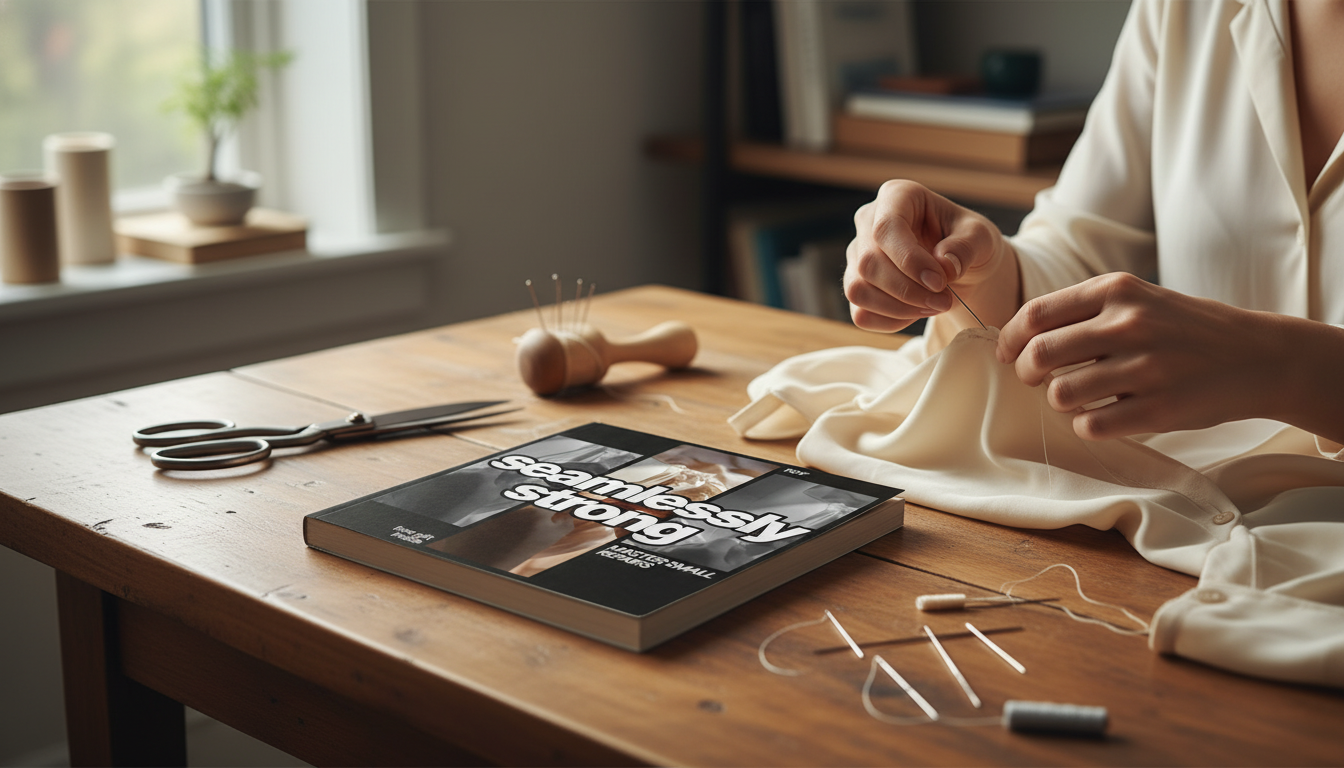
Small tears and pulled seams don’t have to end a favorite piece. With a few basic tools and the right stitch choices, many repairs can be made strong, comfortable, and hard to spot—especially on common fabrics like cotton, denim, knits, and blends.
What “invisible” mending really means (and when it’s possible)
“Invisible” mending is less about magic and more about control: matching thread color, aligning the fabric grain, and choosing stitches that tuck into folds or disappear between fibers. On woven fabrics (like cotton poplin or linen), a tiny straight tear can often vanish once the edges are aligned and pressed flat.
Knits (like t-shirts and sweaters) are different: the fabric is made of loops, so repairs typically aim for “unnoticeable at a glance” rather than truly invisible. If fabric is missing, heavily frayed, or stretched out, the most durable fix usually includes subtle reinforcement on the inside—even if it isn’t 100% hidden.
Quick tool kit for clean-looking repairs
- Needles: Sharp hand-sewing needles for wovens; ballpoint needles for knits.
- Thread: Polyester all-purpose thread for most repairs; cotton thread for cotton garments when preferred. Use finer thread for delicate fabrics.
- Small scissors/snips: For clean ends and trimming fuzz.
- Pins or clips: To align edges; a seam ripper can help open a little space if needed.
- Iron + pressing cloth: Pressing before and after stitching is one of the biggest differences between “repaired” and “barely there.”
- Optional helpers: Washable fabric marker/chalk, a thimble (especially for denim), and lightweight fusible interfacing for reinforcement.
Before stitching: prep steps that keep repairs flat and strong
- Stop fraying: Trim loose fuzz carefully without cutting into stable fibers.
- Align the tear: Bring edges together so weave lines, stripes, or prints match. Pin parallel to the tear to prevent shifting.
- Stabilize if needed: For thin or stressed areas, fuse a small piece of lightweight interfacing to the inside to keep the tear from reopening.
- Test first: Stitch a few practice passes on a hidden seam allowance or scrap to confirm needle choice and thread behavior.
- Press gently: Flatten puckers before sewing; work on a hard, flat surface for better control.
Three go-to invisible techniques for small tears
- Ladder stitch (hidden stitch): Best for closing a clean split where edges can be folded inward; stitches sit inside the fold and “zip” closed.
- Micro whip stitch + press: Great for very small tears in woven fabric; tiny stitches on the underside plus pressing helps the repair melt into the cloth.
- Darning / duplicate stitch (knits): Rebuilds structure by weaving thread through knit loops; ideal for sweaters, jersey tees, and sock-like fabrics.
Fabric-to-fix cheat sheet
| Fabric type | Best low-visibility repair | Helpful tools | Common mistake to avoid |
|---|---|---|---|
| Cotton poplin/oxford | Ladder stitch with pressed folds | Sharp needle, matching thread, iron | Pulling thread too tight causing puckering |
| Denim | Reinforced ladder or tight whip + interfacing | Thimble, sturdy thread, interfacing | Skipping reinforcement in high-stress spots |
| Jersey knit (t-shirts) | Duplicate stitch or light darning | Ballpoint needle, fine thread | Using a sharp needle that splits loops |
| Wool sweater knit | Swiss darning / darning weave | Fine wool yarn, darning needle | Overfilling the area so it becomes bulky |
| Linen | Tiny whip + press; optional interfacing | Sharp needle, pressing cloth | Not aligning the weave (repair looks skewed) |
Step-by-step: closing a small straight tear on woven fabric
Step-by-step: fixing a small hole or snag on a knit (t-shirt/sweater)
Making repairs last: reinforcement without a visible patch
Common issues and quick fixes
Practice plan: build skill fast with small, repeatable repairs
Guide option for structured learning and repeatable results
If you prefer a more methodical approach—stitch selection, fabric-specific tips, and clean finishing—use a dedicated reference you can keep open while you work. Seamlessly Strong: Master Small Repairs (eBook guide) focuses on small tears, neat closures, and techniques aimed at low-visibility mending at home.
For practice fabric that behaves predictably, a simple tee like the New Balance Men’s Green Cotton T-shirt with Pocket is a solid candidate for learning ladder stitch and gentle knit repairs over time.
Trusted resources for repair and responsible next steps
For additional repair inspiration and care tips, visit Patagonia Worn Wear – Care & Repair and the University of Kentucky Cooperative Extension resources for basic sewing guidance. If a garment truly can’t be saved, check Goodwill’s donation guidance for responsible donation options where appropriate.
FAQ
What stitch is best for an invisible repair on a small tear?
A ladder stitch is usually the best option on woven fabric when you can fold the edges inward, because the stitches hide in the folds. For tiny surface tears, a micro whip stitch can work well, and for knits, duplicate stitch or darning blends better with the loop structure. Matching thread and pressing flat are what make the repair disappear.
Can a ripped t-shirt be repaired so it doesn’t show?
Often it can be made hard to notice, especially if the hole is small and the fabric hasn’t stretched out. Duplicate stitch or light darning works with the knit loops, and keeping the fabric relaxed (not stretched) prevents distortion. A little steam afterward helps the fibers settle and blend.
Do fusible patches or interfacing make repairs more noticeable?
Bulky iron-on patches can show through on lighter fabrics, but lightweight fusible interfacing placed on the inside is typically subtle and helps prevent re-tearing. Use the correct heat setting for the fabric and keep the interfacing piece slightly larger than the damaged area to distribute stress smoothly.
















Leave a comment