Introducing a New Pet: Calm Setups, Safe Intros & Tips
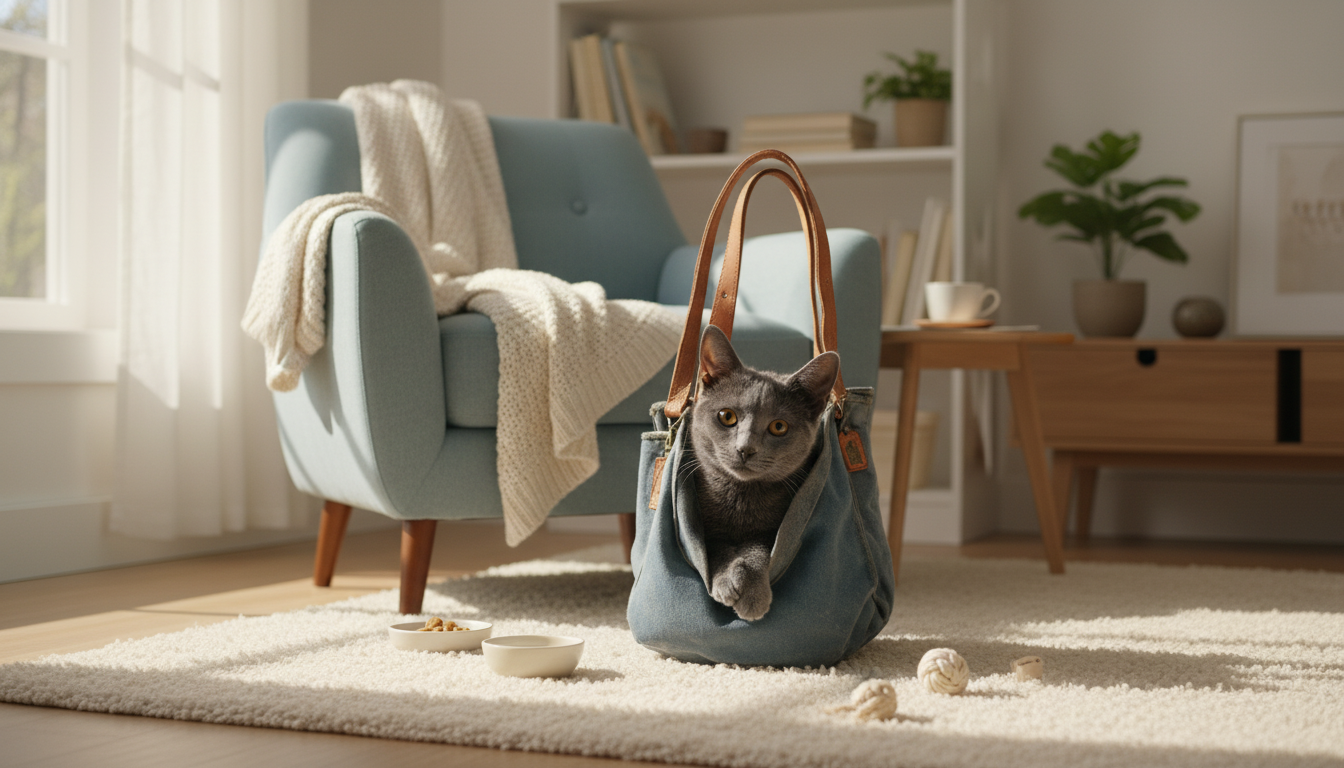
Introducing a New Pet to Your Home: Your Ultimate Guide to a Smooth Transition
Bringing home a new pet is exciting, but the first days and weeks shape long-term behavior, confidence, and household harmony. A smooth transition comes from preparation, predictable routines, and introductions paced to the most sensitive pet in the home. Use the steps below to reduce stress, prevent conflicts, and help every animal (and human) feel safe.
Before Arrival: Set Up a Calm, Contained Start
Think “smaller, quieter, simpler” for the first setup. A contained start prevents overwhelm and makes it easier to reinforce good habits.
- Choose a “home base” room for the newcomer with a door, easy-to-clean floors, and minimal foot traffic.
- Stock essentials: species-appropriate food, bowls, litter box or potty setup, bedding, toys, scratchers/chews, and enrichment items.
- Pet-proof the space: secure cords, block small hiding gaps, remove toxic plants/foods, and ensure windows/doors latch securely.
- Create separation zones for existing pets (rest areas, feeding areas, litter boxes) to prevent resource guarding.
- Schedule a wellness visit and confirm parasite prevention, vaccinations, microchip details, and spay/neuter timing if needed.
Quick Setup Checklist by Pet Type
| Need | Dog | Cat | Small Pet (rabbit/guinea pig) |
|---|---|---|---|
| Safe space | Crate or gated room | Quiet room with hiding spots | Enclosed pen away from drafts |
| Bathroom plan | Leash, poop bags, potty schedule | Litter box (1 per cat + 1 extra) | Litter/absorbent bedding, daily spot-clean |
| Enrichment | Chews, snuffle/food puzzles, calm walks | Scratchers, wand toys, vertical space | Hay-based foraging, tunnels, chew-safe toys |
| Feeding | Measured meals, separate bowls | Separate feeding stations | Hay always available + measured pellets |
Day One: Lower Stress and Build Predictability
The first 24 hours should feel boring in the best way. Calm, consistent routines reduce scanning, pacing, and reactive behavior.
- Keep arrivals quiet: limit visitors, reduce noise, and let the pet explore at their own pace.
- Start with a consistent routine immediately (feeding, potty, play, rest) to build security.
- Offer a small space first; expand access gradually as confidence and house training improve.
- Avoid forced handling and prolonged eye contact; reward calm curiosity with gentle praise and treats.
- For cats and small pets, prioritize hiding options and uninterrupted decompression time.
If you want a step-by-step daily plan for the first week, Introducing a New Pet to Your Home: Your Ultimate Guide to a Smooth Transition can help organize pacing, checklists, and “what to do next” moments when everyone’s tired.
Scent-First Introductions: The Easiest Win
Animals learn “who belongs here” through scent long before they feel comfortable up close. Start there—it’s low pressure and high reward.
- Begin introductions through scent before face-to-face contact: swap bedding, rotate rooms, or use a clean cloth to collect facial scent and place it near the other pet’s area.
- Pair scent exposure with positive events (meals, treats, play) so “new smell = good things.”
- Watch for stress signals: freezing, growling, hissing, stiff posture, excessive grooming, pacing, or refusing food.
- If stress spikes, slow down: return to separation and reintroduce scent at a lower intensity.
For more general new-pet basics (nutrition, safe handling, and common early mistakes), the ASPCA’s bringing-home-a-new-pet guidance is a helpful reference.
First Meetings: Controlled, Short, and Positive
First meetings aren’t a single event—they’re a series of short, successful reps. Keep everyone under threshold (curious, not frantic).
- Use barriers at first: baby gates, crates, or a slightly open door allow visual contact without pressure.
- Keep sessions brief (1–5 minutes initially) and end on a calm note before anyone becomes overwhelmed.
- For dog–dog intros: choose neutral territory if possible, use parallel walking with distance, and avoid tight leash greetings.
- For dog–cat intros: keep the dog leashed; give the cat elevated escape routes; reward the dog for calm attention and disengagement.
- For cat–cat intros: avoid direct confrontations; use visual barriers and increase exposure time gradually over days to weeks.
For cats, vertical space is more than enrichment—it’s conflict prevention. A sturdy climb-and-perch option like the Solid Wood Cat Tree with Hammock & Nest can create escape routes, resting zones, and “time-out” perches that reduce hallway standoffs.
Manage Resources to Prevent Conflict
Many early blowups are really about access: food, water, litter boxes, favored sleeping spots, and even humans. Plan for abundance.
Training and Enrichment: Build Confidence Without Overdoing It
If you’re building new habits and want reputable behavior and handling resources, the AAHA pet owner education library is a strong, veterinarian-backed place to start.
When Things Feel Off: Troubleshooting Common Setbacks
For broader pet-owner safety and care guidance, the American Veterinary Medical Association (AVMA) pet owner resources can help you understand preventive care and when to consult your veterinarian.
Helpful Tools That Support a Peaceful Transition
FAQ
How long should a new pet stay separated from resident pets?
Most homes need at least a few days of separation, and some introductions take a few weeks depending on species, age, and stress signals. Progress is best measured by calm eating, relaxed body language near scent/visual access, and brief meetings that stay peaceful.
What are signs the introduction is moving too fast?
Common signs include stiff posture, growling, hissing, freezing, lunging, chasing, hiding, refusing food, or sudden over-grooming and pacing. If you see these, step back to the last calm stage (often scent-only or barrier sessions) and rebuild slowly.
Should pets meet face-to-face right away to “get it over with”?
Forced face-to-face meetings can create fear or trigger defensive aggression, which is hard to undo later. Controlled, short sessions with barriers and rewards help prevent panic and teach both pets that good things happen around each other.
















Leave a comment