Hobby-First Vacation Planning Checklist for Easy Trip Prep
Fun Vacation Hobby Planning Guide: Printable Checklist for Easy Trip Prep
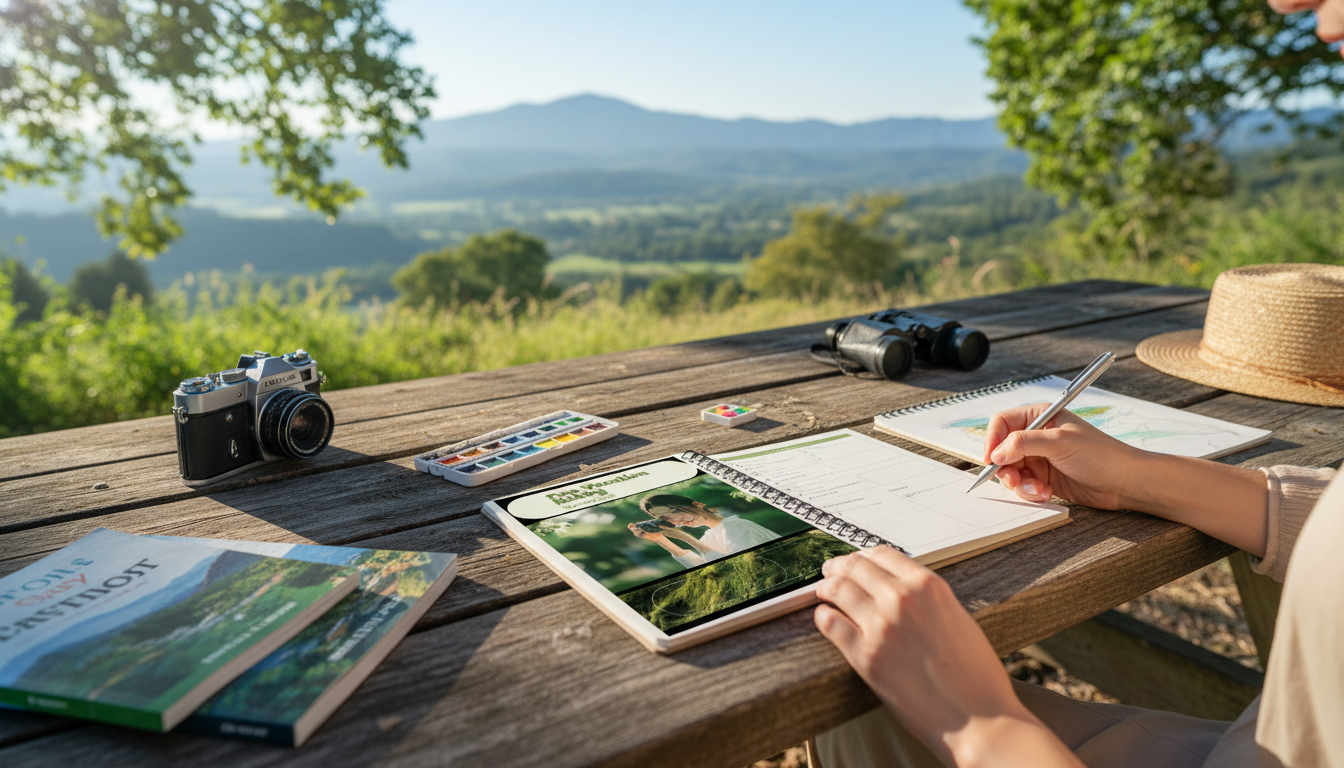
A hobby-first trip feels different: less rushed, more memorable, and easier to pack for because every item has a purpose. Instead of planning a vacation around a long list of “maybe” activities, start with the hobby moments that would make the trip feel complete—then build the schedule and packing list to support those moments. The result is a simple, step-by-step prep flow: choose your hobby anchor, map it onto the days you have, and pack only what earns its space. When details start to blur (reservations, weather pivots, packing), a printable checklist keeps everything organized from booking to the last-minute bag check.
Start with a hobby-first vacation plan
Begin by deciding what you want to feel, not just what you want to do. A hobby plan works best when it’s clear, small, and repeatable.
- Pick one “main hobby” (the activity that would make the vacation feel complete) and one backup hobby for downtime or bad weather.
- Define your ideal rhythm: early-morning sessions, midday breaks, or evening focus time—then match activities to your natural energy.
- Choose a realistic scope: 1–2 signature hobby moments per day leaves room for meals, rest, and spontaneous finds.
- Set a simple success statement, such as “Sketch one new scene each day” or “Hike two sunrise trails.”
If you want an easy way to capture all of this on one page, the Fun Vacation Hobby Planning Guide printable checklist is designed to turn “ideas” into a clean plan you can actually follow.
Build a quick trip timeline (30–45 minutes total)
Planning doesn’t have to take over your week. Use short checkpoints so your hobby anchor is secured early and everything else stays flexible.
- Three weeks out: confirm dates, lodging, and the main hobby locations (trailheads, studios, beaches, museums, classes).
- Two weeks out: reserve limited-access items (timed entry, lessons, permits, equipment rentals).
- One week out: draft a loose daily structure with anchors (breakfast, one hobby block, one flexible block, dinner).
- Two days out: finalize packing, download offline maps, and save confirmations in one place.
- Day before: do the “doorway test”—everything you need to leave on time is staged by the exit.
For public-land trips, it helps to check park updates and seasonal closures early. The National Park Service trip planning hub is a reliable place to start for timing, access, and safety notes.
Use the printable checklist to prevent last-minute surprises
A checklist works best when it’s a single source of truth—one place where you can see what’s booked, what’s packed, and what still needs attention.
- Keep it as a dashboard for documents, health items, tech, hobby gear, and “don’t forget” tasks.
- Mark items by category: must-have, nice-to-have, and buy-on-arrival to reduce overpacking.
- Add a small “trip constraints” box: weather range, baggage limits, and any mobility/time constraints.
- Create a tiny “re-entry” list: groceries to buy before returning, laundry plan, and Monday-morning essentials.
For health and destination-specific prep (including vaccines, local advisories, and travel notices), use the CDC Travelers’ Health guidance as your reference point.
Easy trip prep ideas that fit most hobbies
Small systems beat big intentions. These quick habits make hobby time feel protected—without turning vacation into a rigid schedule.
For a calmer pre-trip mindset (especially if you tend to pack late or sleep poorly before travel), the Feel Alive Again Checklist for a quick pre-trip reset pairs well with a packing checklist—so the plan feels doable, not draining.
Packing by hobby: what to bring (and what to skip)
Quick hobby packing checklist
| Hobby focus | Bring | Skip |
|---|---|---|
| Sketching/painting | Pocket sketchbook, 2–3 pens, compact watercolor set, small brush | Full-size pad, multiple palettes, heavy easel |
| Photography/video | Camera/phone rig, extra battery, small tripod, microfiber cloth | Multiple lenses you won’t use, bulky lighting |
| Hiking/nature walks | Layers, rain shell, headlamp, snacks, blister care | Extra shoes beyond one backup, oversized towel |
| Reading/journaling | E-reader or 1 book, journal, pen, bookmark | Stack of books, multiple notebooks |
| Beach/water time | Swimwear, rash guard, dry bag, sunscreen, quick-dry towel | Glass containers, too many “just in case” outfits |
If you’re flying, double-check carry-on rules for anything hobby-related (batteries, liquids, sharp tools). The TSA “What Can I Bring?” list helps you avoid last-second repacking at security.
Keep it fun: simple ways to turn plans into memories
Even a small upgrade can help you feel “travel-ready” quickly. A comfortable staple like the New Balance Men’s Green Cotton T-shirt with Pocket works well for casual days when your plan includes walking, browsing markets, or squeezing in a quick sketch stop.
Printable planning tool: what it includes and how to use it
If you want a ready-to-print version, start with the Fun Vacation Hobby Planning Guide printable checklist, then add your hobby-specific gear in the margins so it stays tailored without getting cluttered.
FAQ
How far in advance should a hobby-focused vacation be planned?
Plan 2–3 weeks ahead for most trips, and 6–10 weeks ahead for limited-entry activities, classes, permits, or peak-season dates. Lock in the hobby “anchor” first, then fill in meals, rest, and flexible time around it.
What’s the simplest way to avoid overpacking for hobby trips?
Pack a small core kit plus one backup item, then label everything as must-have, nice-to-have, or buy-on-arrival. Packing to your scheduled sessions (instead of “just in case” scenarios) keeps bags lighter and decisions easier.
Can this checklist work for solo trips and family vacations?
Yes—duplicate the sections per person or use one shared sheet with color-coding. For families, keep hobby blocks shorter and add buffer time for meals, naps, and transitions so the plan stays realistic.















Leave a comment