Birkenstock Slippers Sizing: Run Big or Small?
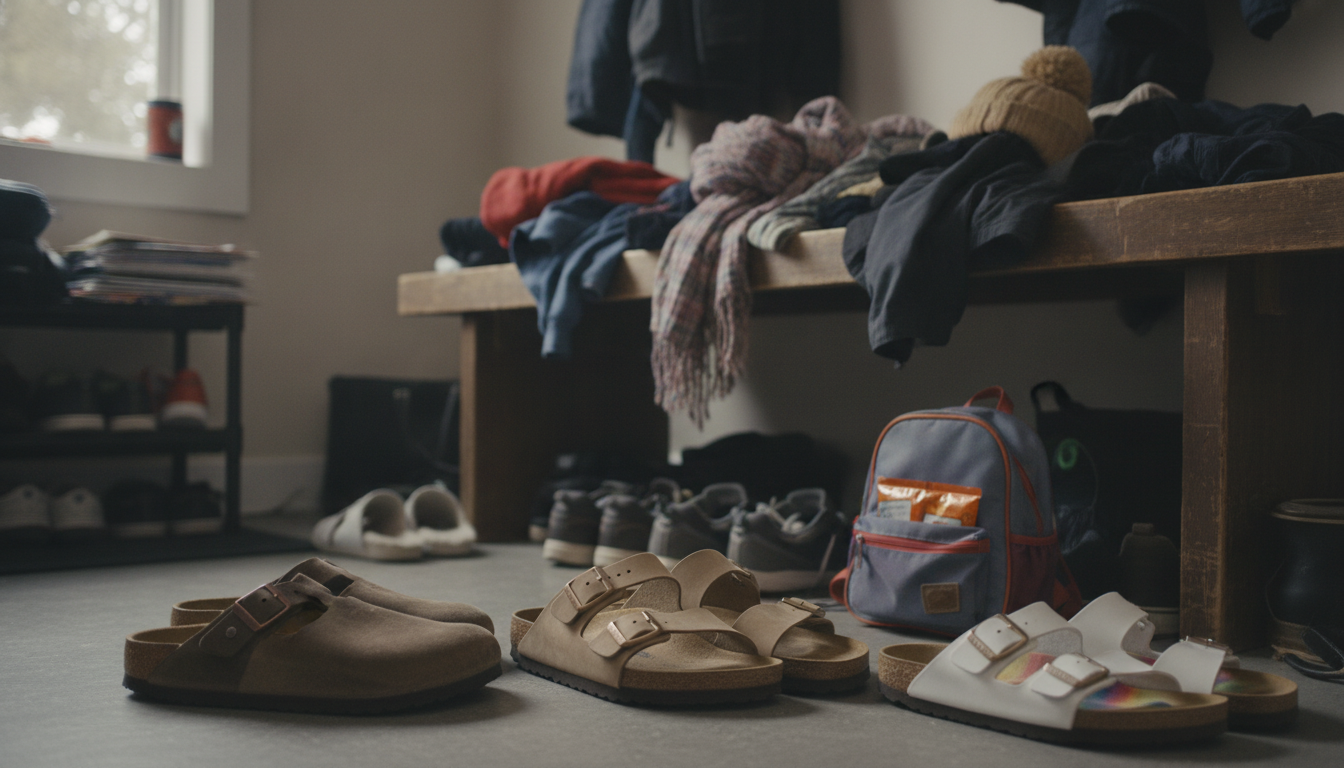
Do Birkenstock slippers run big or small?
Most Birkenstock slippers run true to size to slightly big, especially in regular (wide) width. The footbed is designed to cradle your foot with a little room at the heel and toes, so a brand-new pair can feel “roomy” before the materials warm up and flex. If you’re between sizes, choosing the smaller size is often the better move—particularly for narrow feet or if you prefer a snugger, more secure fit.
How the fit should look and feel
A properly sized Birkenstock slipper shouldn’t fit like a tight house shoe. You generally want a small gap at the heel (so your heel isn’t riding up on the back edge) and a bit of space in front of your toes (so they aren’t pressing into the front lip). Your foot should feel centered in the footbed, with the arches and toe bar landing where your foot naturally needs support.
Why some people think they run large
Two things can make Birkenstock slippers feel bigger than expected: the width and the structured footbed. Many shoppers default to regular width, which can feel oversized on narrower feet. Also, the firm footbed doesn’t “hug” right away like plush slippers do, so the initial sensation can be more open and less compressive.
When to size down vs. stick with your usual size
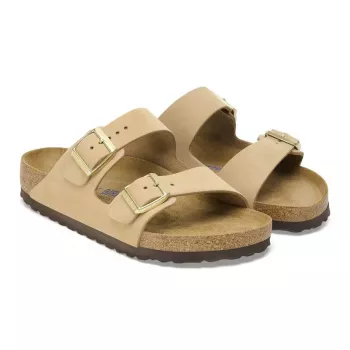
Size down if your heel slides around, your foot shifts side-to-side, or you’re consistently between sizes. Stick with your usual size if your toes are nearing the front edge, if you have a higher instep, or if you plan to wear thicker socks. If the slipper has an adjustable buckle, use it to fine-tune security before assuming you need a different size.
For more details on the fit and feel of Birkenstock buckle slippers (including materials and support), visit this complete guide.
FAQ
Should you wear socks with Birkenstock slippers?
Socks are optional: go sockless for a closer footbed feel, or add socks for warmth and a slightly snugger fit. If you’re between sizes, socks can also help take up a little extra space.














Leave a comment