AI-Guided Mindful Hobbies for Calm: A 7-Day Routine
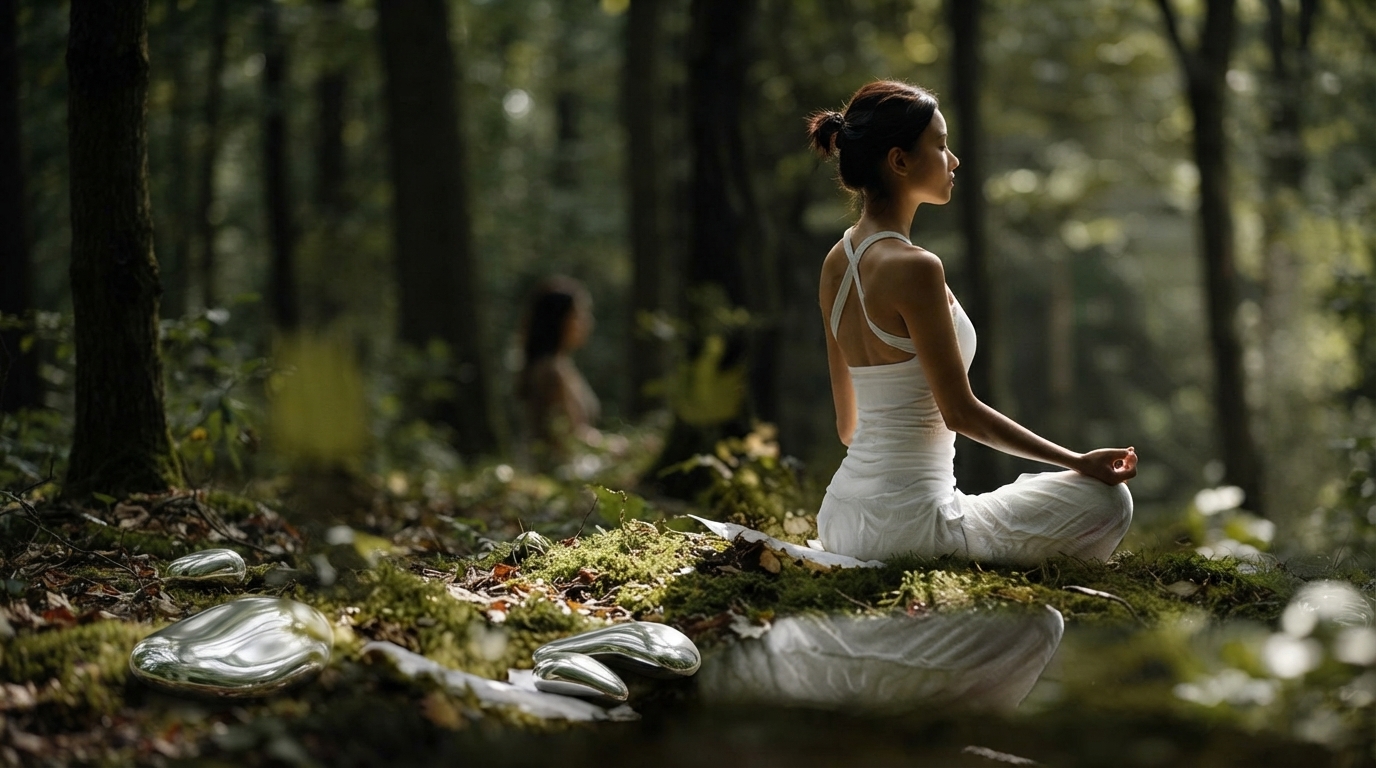
Finding Mindful Hobbies with AI: A Calm, Balanced Self-Care Routine
Mindful hobbies turn small pockets of time into recovery—lowering stress, improving focus, and adding a sense of meaning to everyday life. With AI tools, it becomes easier to identify hobbies that match energy level, schedule, and mood, then shape them into short, repeatable sessions that feel restorative instead of demanding. The goal isn’t to “get good” fast; it’s to give your nervous system a reliable place to land.
What Makes a Hobby “Mindful” (and Why It Works)
A mindful hobby anchors attention in one clear activity, which can reduce mental noise and rumination. Instead of asking your brain to solve everything at once, you give it a single stream to follow: the feel of a pen, the rhythm of footsteps, the warmth of a mug, the sound of strings, the glide of a brush.
- Single-point focus: You repeatedly return to one task, strengthening attention without forcing it.
- Sensory feedback: Simple inputs (texture, sound, movement, breath) create a steady loop that helps the mind settle.
- Low-stakes creativity: You make something without pressure—progress without performance.
- Consistency over duration: Ten to twenty minutes done regularly often supports mood more than occasional long sessions.
- Net calming effect: A mindful hobby should leave you more grounded, not depleted or overstimulated.
If you want a research-backed starting point for why mindfulness helps with stress, the American Psychological Association and the National Center for Complementary and Integrative Health summarize the evidence and practical basics in a clear, accessible way.
How AI Helps Match Hobbies to Mood, Time, and Energy
Choosing a hobby sounds simple until you’re tired, busy, or overstimulated. AI can make the decision lighter by narrowing options and turning them into “micro-sessions” with a start, middle, and stop. Think of it as reducing friction so you can actually begin.
- Mood-matching: Suggest calming or uplifting options after a quick check-in (anxious, foggy, overstimulated, low-energy).
- Time-fitting: Generate sessions for 5, 10, 20, or 45 minutes—each with a clear endpoint.
- Energy-aware: Offer seated, gentle-movement, or high-focus choices depending on fatigue and attention.
- Friction reduction: Provide a short materials list and one “next step” so you can start immediately.
- Variety without overwhelm: Rotate options through the week while keeping the same structure (warm-up, main activity, cool-down).
Mindful Hobby Sessions Suggested by Time and Energy
| Time available | Low energy | Medium energy | High energy |
|---|---|---|---|
| 5–10 minutes | Box breathing + 3-minute mindful tea/coffee | One-song sketching or doodle shading | Brisk mindful walk to the end of the block and back |
| 15–20 minutes | Gentle stretching + body scan | Mindful journaling with a single prompt | Rhythm-based activity (drumming on a pad, jump rope intervals) |
| 30–45 minutes | Slow craft (simple knitting rows, coloring) | Beginner watercolor wash practice | Gardening, tidying a small area with a timer |
A Simple AI-Guided Mindful Hobby Routine (7 Days)
Building a mindful hobby routine works best when it’s small, repeatable, and easy to restart. Use this 7-day structure to test what genuinely helps your mood and focus.
For ideas you can plug into this structure, a guided download like Finding Mindful Hobbies with AI | Digital Guide for Relaxation & Balance can help turn scattered inspiration into repeatable sessions with built-in time options and simple tracking.
Mindful Hobby Ideas by Personality and Preference
If you enjoy combining mindfulness with values and intention-setting, Soulful Success Checklist: Your Step-by-Step Guide to Spiritual Goals can pair well with a weekly hobby routine by adding gentle reflection prompts and clear next steps.
Practical Prompts to Get Better AI Suggestions
Keep It Safe, Supportive, and Sustainable
- If anxiety spikes during quiet activities, switch to grounding movement (walking, stretching) or sensory tasks (warm drink, handwork).
- Keep expectations small: the goal is a calmer nervous system, not skill mastery.
- Use timers and clear endpoints so hobbies don’t become another obligation.
- If stress, low mood, or sleep issues feel persistent or severe, consider professional support alongside self-care. For a practical overview of meditation and stress relief, the Mayo Clinic offers an easy starting guide.
A Guided Option to Build Personalized Sessions
If decision fatigue is the main barrier, a compact guide can help you stick with what works by turning ideas into routines (including 5-minute resets). One option is Finding Mindful Hobbies with AI | Digital Guide for Relaxation & Balance, designed to help you create quick, repeatable sessions based on mood, time, and energy.
FAQ
How long should a mindful hobby session be to feel relaxing?
Consistency matters more than length. Aim for 10–20 minutes most days, keep a 5-minute “reset” version for busy days, and add an occasional 30–45 minute session when you have the bandwidth.
What if AI suggestions feel overwhelming or too complicated?
Add constraints (time, supplies, energy) and ask for one option with first-minute instructions. Keep a small rotation of favorites so the routine stays familiar instead of turning into a daily decision marathon.
Can mindful hobbies help with stress and sleep?
Mindfulness-based practices can support stress reduction and create a steadier wind-down routine. Choose calming evening activities (gentle stretching, journaling, slow crafts) and end with a clear stopping point so your brain associates the hobby with rest.











Leave a comment