300W Power Station Runtime: Easy Wh-to-Hours Guide
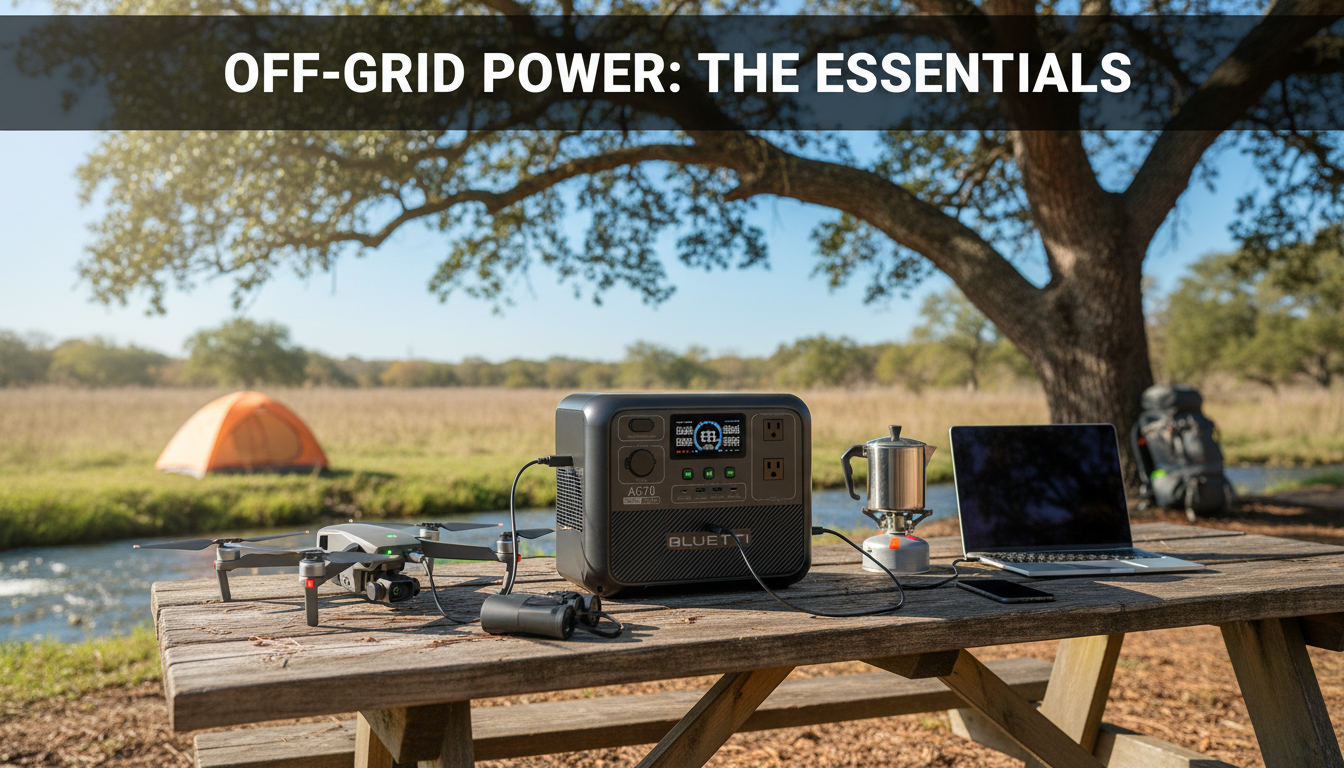
How long does a 300 W portable power station last?
A 300 W portable power station can “last” anywhere from minutes to multiple days, depending on two things: the size of its battery (watt-hours, or Wh) and how many watts your devices actually draw. The 300 W rating is the maximum power it can supply at once, not the runtime by itself.
Quick way to estimate runtime
Use this simple estimate:
Runtime (hours) ≈ Battery capacity (Wh) × 0.85 ÷ Device load (W)
The 0.85 factor accounts for typical conversion losses (inverter/voltage regulation), which vary by model and whether you use AC outlets vs. USB/DC.
Realistic examples (common 300 W class setups)
Many 300 W units land around 250–300 Wh of battery capacity (check the spec label for the exact Wh). Using 280 Wh as an example:
Phone charging (10 W average): 280 × 0.85 ÷ 10 ≈ 24 hours of continuous 10 W output (often many phone recharges in practice).
Wi‑Fi router/modem (20 W): 280 × 0.85 ÷ 20 ≈ 12 hours.
CPAP (40 W average, no heated humidifier): 280 × 0.85 ÷ 40 ≈ 6 hours (humidifier/heated tube can cut this dramatically).
Small fan (30 W): 280 × 0.85 ÷ 30 ≈ 8 hours.
Laptop charging (60 W): 280 × 0.85 ÷ 60 ≈ 4 hours.
Why your results may differ
AC power usually reduces runtime compared with USB/DC. High-surge appliances (mini fridges, some tools) may exceed what a 300 W station can start, even if their “running watts” seem low. Temperature, battery age, and leaving the unit on with no load can also shorten usable time.
For a deeper breakdown on sizing, solar recharging, and choosing a model for camping or backup use, see the full guide: portable power station camping & backup guide.
For 300W Power Station Runtime: Easy Wh-to-Hours Guide, the best answer depends on fit, material, care instructions, and how the product will be used day to day.
FAQ
What can a 300W power station run?
It can handle small electronics like phones, tablets, cameras, laptops, lights, routers, and many low-wattage fans. Avoid high-heat appliances (kettles, space heaters, hair dryers) and be cautious with devices that have high startup surges.













Leave a comment