Reflective Adjustable Dog Harness: Fit, Safety & Less Pulling
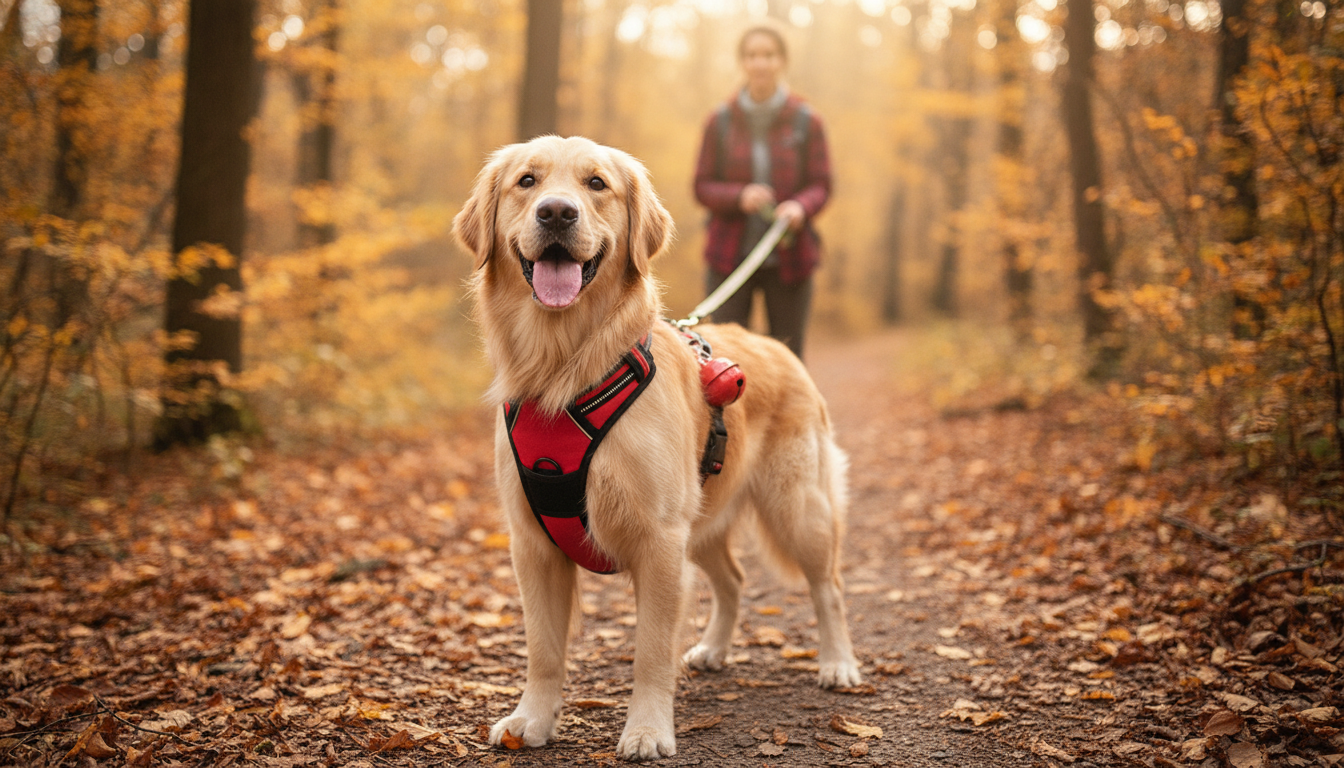
Adjustable Reflective Dog Harness for Small to Large Breeds: Safer Walks, Better Fit, Less Pulling
A well-fitted harness can make daily walks calmer and safer—especially in low light. A reflective, adjustable harness helps drivers and cyclists notice your dog sooner, while a secure fit adds control without putting pressure on the neck. Below are the practical features to prioritize, the measurements that matter most, and simple steps to get a comfortable fit for everything from small breeds to big, broad-chested dogs. For more guidance, see Top 10 Dog Harnesses for Comfort and Safety How to Choose?.
Why a reflective harness helps on everyday walks
Early-morning and evening walks can be surprisingly risky because visibility drops fast, and people on bikes or in cars have less time to react. Reflective detailing helps your dog stand out when headlights or bike lights hit the material, improving awareness from multiple angles. For further reading, see Review of Collars, Harnesses, and Head Collars for Walking Dogs.
Compared with collars, a harness also distributes pressure across the chest and shoulders rather than concentrating it at the throat. That can be especially helpful for dogs that cough, gag, or strain on a collar. A well-designed harness gives you better steering for turns, greetings, and crowded sidewalks—and adjustability matters because bodies change with growth, conditioning, seasonal coat shifts, and breed-to-breed shape differences.
Key features to look for in an adjustable reflective dog harness
Not all “adjustable” harnesses adjust in the places that matter. A better fit usually comes from having more than one adjustment point and hardware that stays secure under daily use.
- Multiple adjustment points: Look for adjustments at the neck/base and the chest/torso to fine-tune fit without restricting shoulder movement.
- Reflective placement that’s easy to see: Reflective strips or stitching on the sides and chest improve visibility from different angles, not just from behind.
- Breathable comfort: Lighter, breathable materials help reduce heat buildup and friction on longer walks.
- Secure buckles and sturdy D-rings: Daily clipping and pulling adds up—hardware should feel solid and stitching should look clean and reinforced.
- Leash attachment options: A back clip is great for casual walks; a front clip can help reduce pulling when paired with training.
- Padding in high-contact zones: Chest and underarm padding can help prevent rubbing, especially for short-coated dogs or long walks.
Sizing and measuring: getting the right fit for small to large breeds
Getting the size right is less about guessing by weight and more about measuring the dog’s body where the harness actually sits. For a step-by-step measuring walkthrough, the American Kennel Club’s harness measuring guide is a reliable reference.
- Chest girth is the most important measurement: Measure around the widest part of the ribcage, usually just behind the front legs.
- Measure the lower neck (base of the neck): Measure where a collar would sit, not high up near the head.
- Aim for the middle of the size range: If your dog’s measurements land at the extreme top or bottom of a size chart, consider the next size for better adjustment room.
- Two-finger fit rule: You should be able to slide two fingers under the straps without pinching; the harness should not easily rotate or slide around.
- Movement check matters: Watch shoulder movement and check behind the elbows during a short test walk to catch chafing early.
- Long-coated breeds need re-checks: Brushing can change strap tension; coat compression during the first few walks can also loosen the fit.
Quick fit checks by body area
| Area | What “good fit” looks like | Common problem | Fix |
|---|---|---|---|
| Chest strap | Snug; sits behind front legs | Rubbing at armpits | Loosen slightly or adjust position farther back |
| Neck/base strap | Doesn’t press on throat | Harness rides up toward throat | Tighten chest/torso strap; confirm correct size |
| Back panel | Centered, flat, no twisting | Shifts to one side | Even out left/right adjustments |
| Overall | Two fingers under straps | Dog can back out | Tighten and confirm correct size range |
How to put it on and adjust it in under two minutes
Fast fitting is mostly about avoiding strap twists and making small, even adjustments.
Using a harness to reduce pulling and improve leash manners
Care, durability, and safety tips
A practical option: Adjustable Reflective Dog Harness for Small to Large Breeds
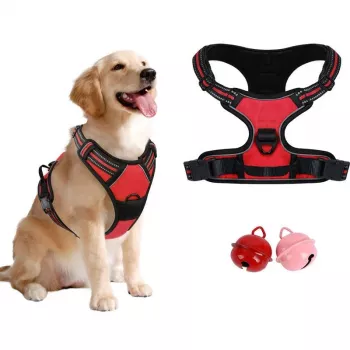
If you want a single harness that can flex across different body types (and still feel secure), the Adjustable Reflective Dog Harness for Small to Large Breeds is built around everyday comfort and visibility. Adjustable straps help dial in fit, reflective detailing supports low-light walks, and the design works well for daily walking and training sessions when consistent handling and routine fit checks are part of the plan.
More in-stock picks from our store
- Your Smart Guide to Investing in Rural Real Estate | Digital eBook for Beginners & Investors
- Soulful Success Checklist: Your Step-by-Step Guide to Spiritual Goals | Printable Worksheet
FAQ
Should a dog harness be tight or loose?
Aim for snug but comfortable: the harness shouldn’t shift easily, and two fingers should fit under the straps without pinching. After a short walk, check behind the elbows and along the chest for any rubbing.
Is a reflective harness enough for night walking?
Reflective gear works best when light hits it (like headlights or bike lights). In very dark areas, add a clip-on LED light and stick to well-lit routes when possible.
How do you stop a dog from backing out of a harness?
Start with correct sizing and tighten evenly so the harness stays centered and the chest strap sits behind the front legs. If the neck/base rides up toward the throat, re-adjust the torso strap and confirm you’re within the right size range.













Leave a comment