Cat Vaccine Schedule for New Owners + Printable Tracker

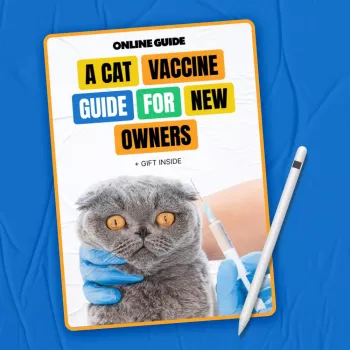
A Cat Vaccine Guide for New Owners: A Comprehensive Digital Download for Healthy Cats
Vaccines help protect cats from serious, preventable diseases and may also be required for boarding, grooming, travel, and many housing situations. A clear plan is especially helpful during the first year with a kitten (or when adopting an adult cat with an unknown history). Below is a practical overview of common vaccines, typical timelines, what to expect at the vet, and easy ways to keep records organized—plus a ready-to-use digital download to simplify scheduling and paperwork.
Why vaccines matter for indoor and outdoor cats
Vaccination is about risk reduction: it lowers the odds of severe illness, long recoveries, and expensive emergency care. Even when a vaccine doesn’t fully prevent infection, it can make disease less serious and reduce complications.
Indoor cats still encounter real exposure pathways. Viruses and bacteria can hitch a ride indoors on shoes, clothing, carriers, and hands. A quick dash through an open door, a cracked window screen, or a new foster/visitor pet can be enough to create contact. Some respiratory viruses spread easily in shared airspaces, which matters in apartments, shelters, multi-cat homes, and any setting where animals come and go.
Rabies vaccination is a special case: depending on where you live, it may be legally required. Even when it isn’t, boarding facilities and groomers often require proof of current rabies vaccination.
Core vs. lifestyle vaccines: what vets usually consider
Veterinarians typically group vaccines into two buckets: core and lifestyle (non-core). Core vaccines are broadly recommended for most cats because the diseases are widespread, severe, or both. In many areas, core vaccination includes FVRCP (feline viral rhinotracheitis/herpesvirus-1, calicivirus, and panleukopenia) and rabies (which can be required by law).
Lifestyle vaccines are chosen based on exposure risk. Factors include outdoor access, living with multiple cats, recent adoption from a shelter/rescue, planned boarding, travel, and local disease trends. A commonly discussed lifestyle vaccine is FeLV (feline leukemia virus). Many veterinarians recommend FeLV vaccination for kittens, and for adult cats with any realistic chance of contact with unknown cats.
Specific timing, dose count, and booster intervals depend on the product label, local regulations (especially for rabies), and your cat’s health history. Your vet may also adjust plans for cats who are ill, underweight, pregnant, or immunocompromised.
Typical kitten and adult vaccine timeline (general example)
Kittens usually start vaccines around 6–8 weeks old, then receive boosters every 3–4 weeks until about 16–20 weeks. That “series” matters because maternal antibodies can interfere early on; repeated boosters help ensure strong protection as that immunity wanes. Adult cats with unknown records often need an initial series too—one shot may not be enough to establish reliable immunity.
After the first year, booster schedules vary. Some vaccines are boosted annually, while others may be every three years, depending on the specific vaccine and local requirements.
Example schedule to discuss with a veterinarian
| Cat age / stage | Common vaccines to ask about | Typical notes |
|---|---|---|
| 6–8 weeks (kitten) | FVRCP (1st dose) | Start series; deworming and parasite prevention often discussed |
| 10–12 weeks (kitten) | FVRCP (booster), FeLV (often 1st dose if indicated) | FeLV often recommended for kittens; risk-based for adults |
| 14–16 weeks (kitten) | FVRCP (booster), Rabies (as required), FeLV (booster if started) | Final kitten boosters may extend to 18–20 weeks in some cases |
| 1 year after kitten series | FVRCP booster, Rabies booster, FeLV booster (if ongoing risk) | Sets the long-term booster interval |
| Adult (unknown history) | FVRCP series, Rabies (per law), FeLV (risk-based) | May require 2 doses for several vaccines depending on label and risk |
Preparing for the appointment and reducing stress
Set the tone before you ever leave the house. Use a sturdy carrier and place a towel or familiar bedding inside. Leaving the carrier out for a few days can help your cat view it as normal rather than a “vet-only” object.
Bring all records you have—paperwork from a breeder or shelter, prior clinic notes, and any documentation of previous vaccine reactions or medication sensitivities. If you’re unsure what your cat previously received, share what you know; your veterinarian can recommend a safe catch-up plan.
Side effects, safety, and when to call the vet
Keeping records organized with a ready-to-use digital download
If you want a simple system that’s ready immediately, use A Cat Vaccine Guide for New Owners: A Comprehensive Digital Download for Healthy Cats as a printable reference and planning tool—especially helpful for first-year kitten care or adult catch-up schedules.
For owners who prefer checklist-style tracking in daily life, some people also like using a printable framework such as Soulful Success Checklist: Your Step-by-Step Guide to Spiritual Goals | Printable Spiritual Goals Worksheet | Examples of Spiritual Goals | Digital Download as a reusable template for routines (for example: “schedule booster,” “upload records,” “set reminder”).
Trusted sources for vaccine guidance
- AAFP Feline Vaccination Advisory Panel Report
- CDC: Rabies
- World Small Animal Veterinary Association (WSAVA) Vaccination Guidelines
FAQ
Do indoor cats still need vaccines?
Yes, many do. Indoor cats can be exposed through new pets, visitors, open doors/windows, shared building airspace, or emergency escapes, and rabies requirements vary by region—your veterinarian can recommend core vaccines and any additional protection based on your cat’s situation.
What shots do kittens usually need in their first year?
Kittens commonly start with an FVRCP series, then receive boosters every few weeks until they’re old enough to “finish” the series; rabies is given as required by local rules. FeLV is also commonly recommended for kittens, with timing tailored to risk and your veterinarian’s plan.
What vaccine reactions are normal vs. urgent?
Mild sleepiness, a small injection-site lump, or a lower appetite for a day or two can be normal. Urgent signs include facial swelling, hives, breathing problems, collapse, or repeated vomiting—contact a veterinarian immediately if these occur.















Leave a comment