650W Airless Paint Sprayer Guide: 3000 PSI Home Use
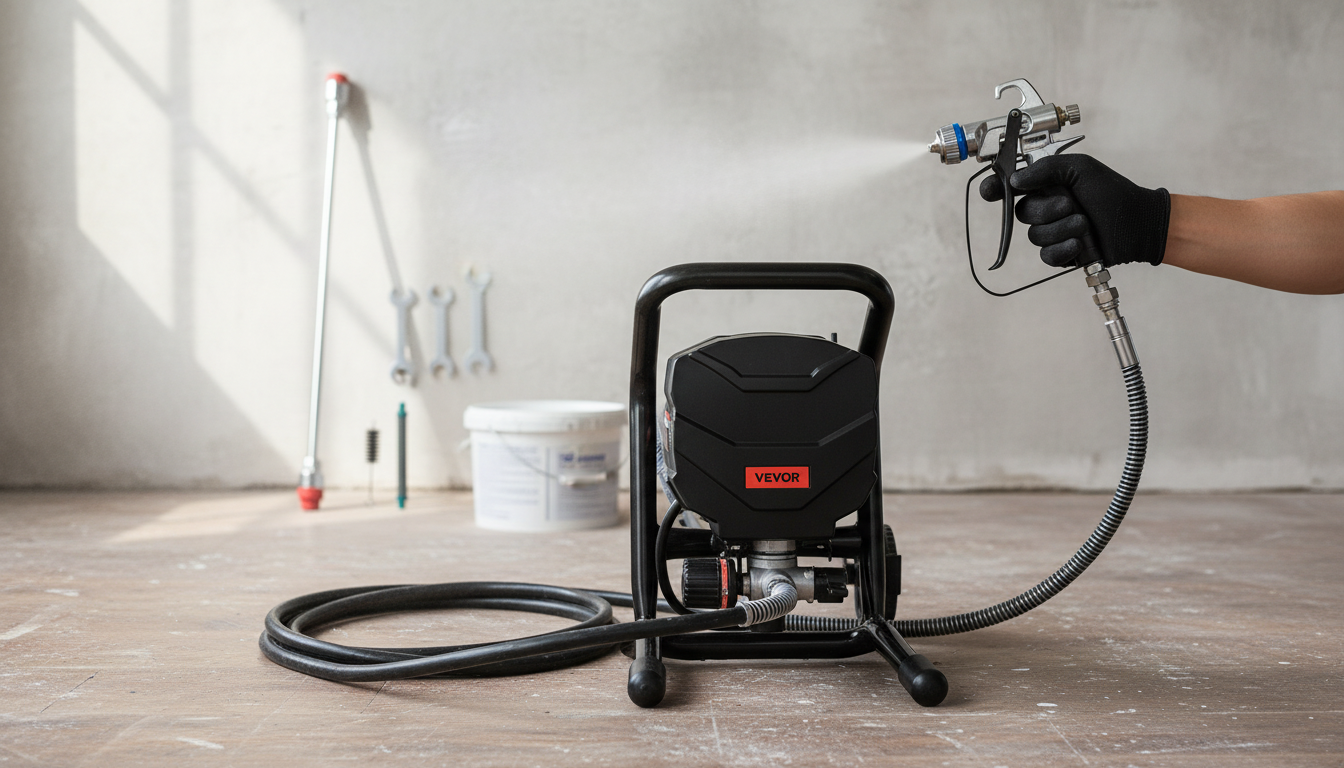
650W Airless Paint Sprayer (3000 PSI) Electric Stand Sprayer for Home & Furniture
A high-pressure airless sprayer can turn time-consuming brush-and-roller work into a faster, more even finish—especially on large walls, fences, cabinets, and furniture. A 650W, up-to-3000 PSI electric stand sprayer is built to push coatings through a small tip at high pressure, laying down a uniform film with fewer visible brush marks. The key is pairing the right tip and pressure with good prep, clean technique, and a safe, controlled workspace.
What This Airless Stand Sprayer Is Designed to Do
Airless sprayers apply coating by pressure (not compressed air), which helps produce consistent coverage and can dramatically reduce time spent on big surfaces. The stand-style format keeps the machine stable on the floor while you work, making it easier to manage the hose and spray gun during longer sessions.
- High-pressure delivery helps create an even coat with fewer lap marks than rolling alone (especially on broad, flat walls).
- Stand layout supports steady placement for rooms, garages, exteriors, fencing, and sheds.
- Furniture and cabinets are achievable, but control matters: lighter coats, smaller tips, and lower pressure help prevent runs.
- Best results come from matching coating type and viscosity to tip size, then dialing pressure only as high as needed.
Quick Specs and Project Fit
A 650W motor paired with up to 3000 PSI is a practical range for many household coatings when the material is properly mixed and strained. While higher pressure can help atomize thicker products, finishing work (furniture, doors, trim) typically looks better when you reduce pressure and limit material flow.
At-a-Glance Details
| Detail | What it means for home projects |
|---|---|
| Power: 650W | Adequate for many DIY painting tasks; pace long sessions and allow short breaks if the unit gets warm. |
| Max pressure: 3000 PSI | Headroom for atomizing coatings; lower PSI is usually cleaner for furniture to reduce bounce-back and overspray. |
| Electric stand format | Stable placement and easier hose management for rooms, fences, and garages. |
| Best use cases | Walls, ceilings, fences, garages, sheds; controlled passes for furniture, doors, and trim. |
Where It Shines: Home, Furniture, and Repair Paint Jobs
Airless sprayers excel when coverage and consistency matter—especially across large areas where cutting-in and rolling can leave subtle texture changes.
- Walls and ceilings: Keep a steady distance and overlap each pass for a uniform sheen. Work in manageable sections so the “wet edge” stays consistent.
- Fences and siding: Spraying speeds up rough surfaces. For weathered wood, back-brushing can help push paint into cracks and improve adhesion.
- Furniture: A smooth, factory-like look is possible when pressure is dialed down and coats are kept light. Two to three thin coats typically beat one heavy coat.
- Touch-ups: For tiny fixes, setup and cleaning can take longer than the paint work. Combine multiple small items into one session to make spraying worth it.
Setup Basics for Cleaner Results
Spraying is the fast part—preparation is what determines whether the finish looks professional or patchy. Give yourself time to clean, mask, and test before committing paint to the surface.
- Surface prep: Clean, degloss when needed, sand, and remove dust. Sprayed finishes can highlight dents, nibs, and leftover roller fuzz.
- Masking and containment: Cover floors, windows, hardware, and adjacent rooms. Use plastic sheeting and painter’s tape compatible with the surface (delicate surfaces often need lower-tack tape).
- Strain paint when appropriate: Straining reduces tip clogs and spitting, especially with older paint, tinted primers, or heavy-bodied coatings.
- Choose the right tip: Wider fan patterns and larger orifices move material quickly for walls; smaller tips help control flow for trim and furniture.
- Practice first: Spray cardboard or scrap to confirm fan shape, pressure level, and movement speed before painting the actual project.
Pressure, Technique, and Common Mistakes
High pressure is powerful—but finish quality comes from restraint. Use the lowest pressure that produces an even fan without “tails” on the edges.
Cleaning and Storage That Prevents Clogs
Safety and Workspace Control
Spraying creates airborne mist quickly, and airless pressure can be hazardous if misused. Set up the space for containment and wear the right protective gear. For health guidance on spray painting exposure, review NIOSH spray painting resources, and for respirator program basics see OSHA’s Respiratory Protection Standard (29 CFR 1910.134). For disposal tips related to leftover paint and solvents, consult the U.S. EPA household hazardous waste guidance.
Recommended In-Stock Picks
- 650W Airless Paint Sprayer, 3000 PSI Electric Stand Sprayer for Home & Furniture ($160.51) — A practical choice for walls, fences, and controlled furniture finishing when paired with the right tip and pressure.
- Soulful Success Checklist: Printable Worksheet (Digital Download) ($76.99) — A structured checklist-style download that can be repurposed to plan prep steps, masking tasks, and a paint-day timeline.
FAQ
Is 3000 PSI too much for painting furniture?
No—3000 PSI is the maximum available headroom, not the required setting. For furniture, lower pressure plus a smaller tip/orifice and multiple light coats usually produces a smoother finish with less overspray and fewer runs.
Do paints need to be thinned for an airless sprayer?
Many household paints can be sprayed unthinned when the correct tip and pressure are used. Some coatings may require thinning per the manufacturer’s directions, and straining the paint is often helpful to reduce clogs.
How long does cleanup take after spraying?
Cleanup commonly takes about 15–45 minutes depending on the coating type, how much material was sprayed, and how thoroughly you flush and clean filters and tips. Flushing immediately after use is the fastest way to prevent hardened paint and stubborn blockages.
















Leave a comment