Modern Women’s Style for Real Life: Fit, Ease, Polish
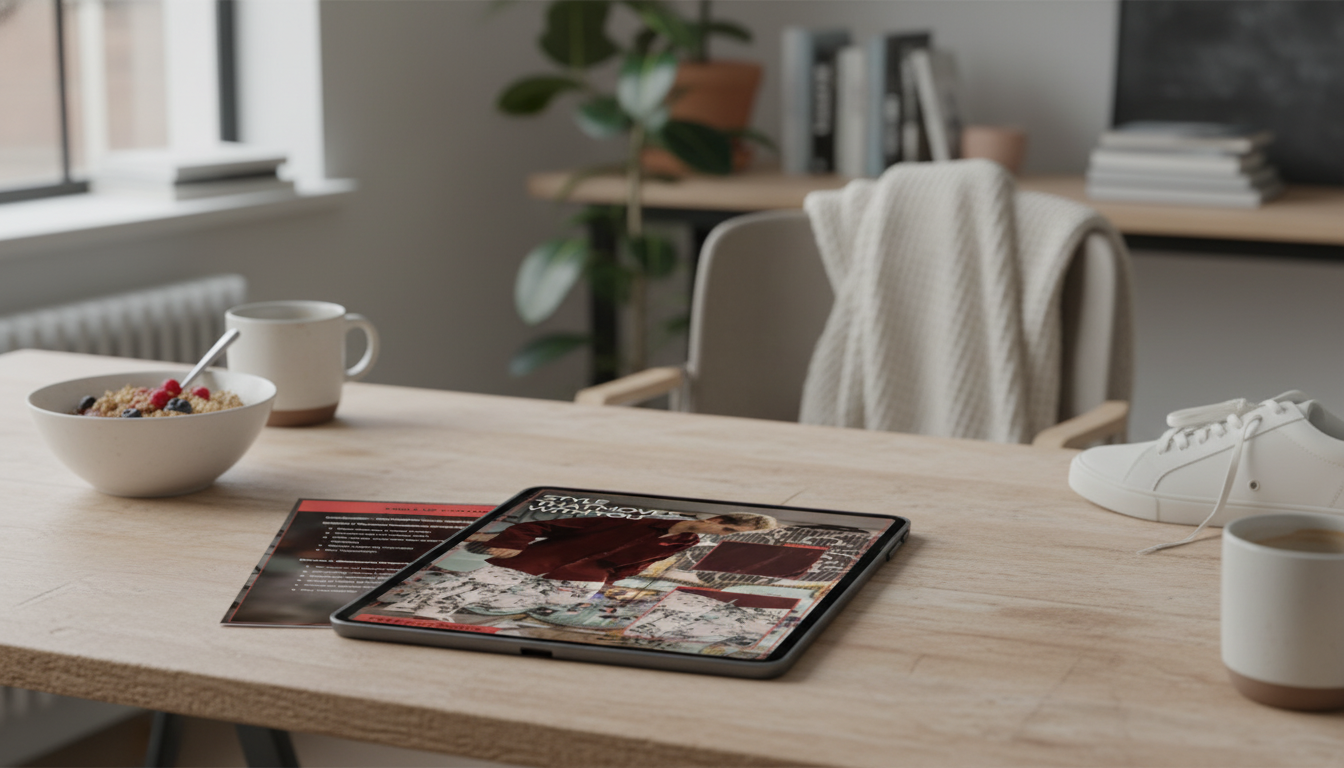
Modern Women’s Fashion That Actually Fits Real Life
Modern style works best when it supports real life—busy days, shifting schedules, and changing seasons—without sacrificing confidence. The most wearable fashion right now isn’t about stiff rules or constant trend-chasing. It’s about clothes that feel good, move well, and look intentional, built around repeatable combinations that make getting dressed easier.
Designers and retailers continue leaning into comfort, practicality, and versatile dressing—an evolution you’ll see reflected across industry reporting and runway-to-street coverage from sources like The State of Fashion, Vogue, and the Council of Fashion Designers of America (CFDA). The result: a wardrobe approach that’s current, functional, and surprisingly simple to maintain.
What “Style That Moves With You” Looks Like Today
Wearable fashion in 2026 is less about extremes and more about ease with polish. “Moves with you” means you can sit, commute, travel, and work without constantly adjusting your outfit.
- Comfort and mobility built in: softer tailoring, stretch where it matters, and silhouettes that don’t restrict your stride.
- Elevated basics you can repeat: refined tees, crisp shirts, straight-leg denim, and sleek knits that layer cleanly.
- Intentional styling over constant shopping: better fit, better fabric, and smarter combinations that make “old” pieces feel new.
- A polished/relaxed mix: sneakers with blazers, knit sets with structured outerwear, and minimal accessories that sharpen the look.
Modern Trends Worth Using (Without Rebuilding Your Closet)
The easiest way to look current is to borrow the “direction” of trends, not every micro-detail. Choose one update at a time and let the rest of your outfit stay familiar.
- Quietly structured layers: lightweight trench coats, cropped jackets, and longline blazers.
- Wide-leg and straight-leg pants: everyday staples that balance comfort and proportion.
- Monochrome outfits: cream, navy, charcoal, chocolate, and olive for instant polish.
- Texture over loud prints: rib knits, satin, denim, and linen blends do the work for you.
- Statement accessories: sculptural earrings, belts, modern loafers, and minimal bags that refresh basics fast.
Easy Trend Translations
| Trend direction | Low-effort way to wear it | Best for |
|---|---|---|
| Relaxed tailoring | Blazer over a fitted tank + straight jeans | Workdays, dinners, travel |
| Monochrome dressing | Same-color top and bottom + contrasting shoes | Instantly polished looks |
| Texture-forward outfits | Satin skirt with a chunky knit | Date nights, events, photos |
| Modern denim silhouettes | High-rise straight or wide-leg + tucked shirt | Everyday outfits |
| Elevated athleisure | Knit set + trench or structured tote | Errands, casual meetings |
Build a Smart Wardrobe: The Core Pieces That Multiply Outfits
A smart wardrobe isn’t huge—it’s coordinated. The goal is to create a small set of pieces that can be styled at least three different ways, so your closet becomes a system instead of a pile of options.
- The “top layer trio”: a blazer, a trench/long coat, and a casual jacket (denim or bomber).
- Versatile tops: crisp button-down, fitted knit, high-quality tee, and one “going-out” top that still feels like you.
- Bottoms that cover most occasions: straight-leg jeans, wide-leg trousers, and a midi skirt.
- Shoes that span moods: clean sneakers, loafers/ankle boots, and a comfortable dress shoe.
- A tight color palette: pick 2 neutrals + 1–2 accent colors so everything mixes without effort.
If your closet feels scattered, start by choosing your neutrals (for example: navy + cream, or charcoal + camel). Then add one accent you love (olive, burgundy, cobalt, or a soft metallic). That single choice makes outfits look “planned” even when they take two minutes.
Effortless Outfit Formulas for Real Schedules
Outfit formulas take the decision fatigue out of mornings. Once you have a few you trust, you can swap colors and fabrics while keeping the same structure.
- Work-ready: knit top + wide-leg trousers + longline blazer + loafers.
- Off-duty polished: tee + straight jeans + trench + sneakers + belt.
- Dinner or event: satin midi + fitted knit + heeled boot + statement earrings.
- Travel uniform: knit set + structured coat + scarf + hands-free bag.
- Warm-weather formula: linen-blend shirt + midi skirt/relaxed trousers + minimal sandals.
A helpful rule: if your base is relaxed (wide pants, oversized shirt, chunky knit), add one structured element (sharp collar, clean belt, tailored jacket) to keep it modern rather than sloppy.
Fit, Fabric, and Finishing Touches That Make Basics Look Expensive
The difference between “basic” and “elevated” usually isn’t price—it’s fit, fabric, and finishing details that look intentional up close.
A Simple Reset Plan: From Closet Overwhelm to Repeatable Style
Style Guide eBook: A Fast Track to a Coordinated Wardrobe
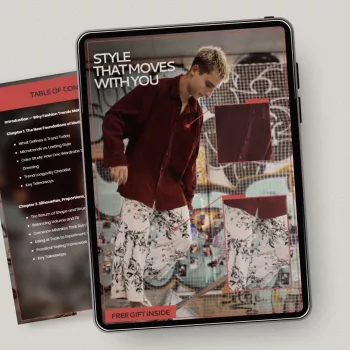
- Style That Moves With You: Modern Fashion Trends Women Have to Know eBook — a practical guide to wearable trends, smart wardrobe building, and outfit formulas that feel current without being fussy.
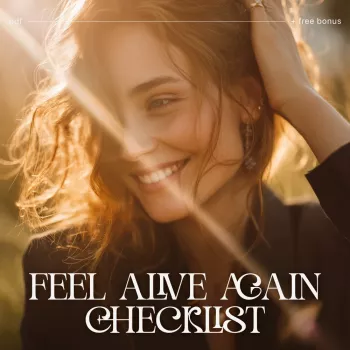
- Feel Alive Again Checklist – Digital Download Self-Care Guide — a quick reset resource that pairs well with a wardrobe refresh, especially when decision fatigue and busy schedules make consistency hard.
FAQ
How can a wardrobe feel modern without buying new outfits every season?
Keep a stable base of well-fitting essentials, then update with one or two current elements—like a modern denim cut, a relaxed blazer shape, or a texture-rich piece—plus accessories that refresh older basics.
What are the easiest outfit formulas for looking put-together on busy days?
Rely on repeatable combinations like matching sets, monochrome looks, blazer + tee + straight jeans, or knit top + wide-leg trousers. Finish with one intentional accessory (belt, bag, or earrings) so it reads as styled.
What should be prioritized first: trends, fit, or fabrics?
Start with fit, then fabrics, then trends. A well-fitting, quality basic stays relevant longer and makes trend pieces easier to wear without feeling costume-like.









Leave a comment