Confidence Through Style: Simple Wardrobe System
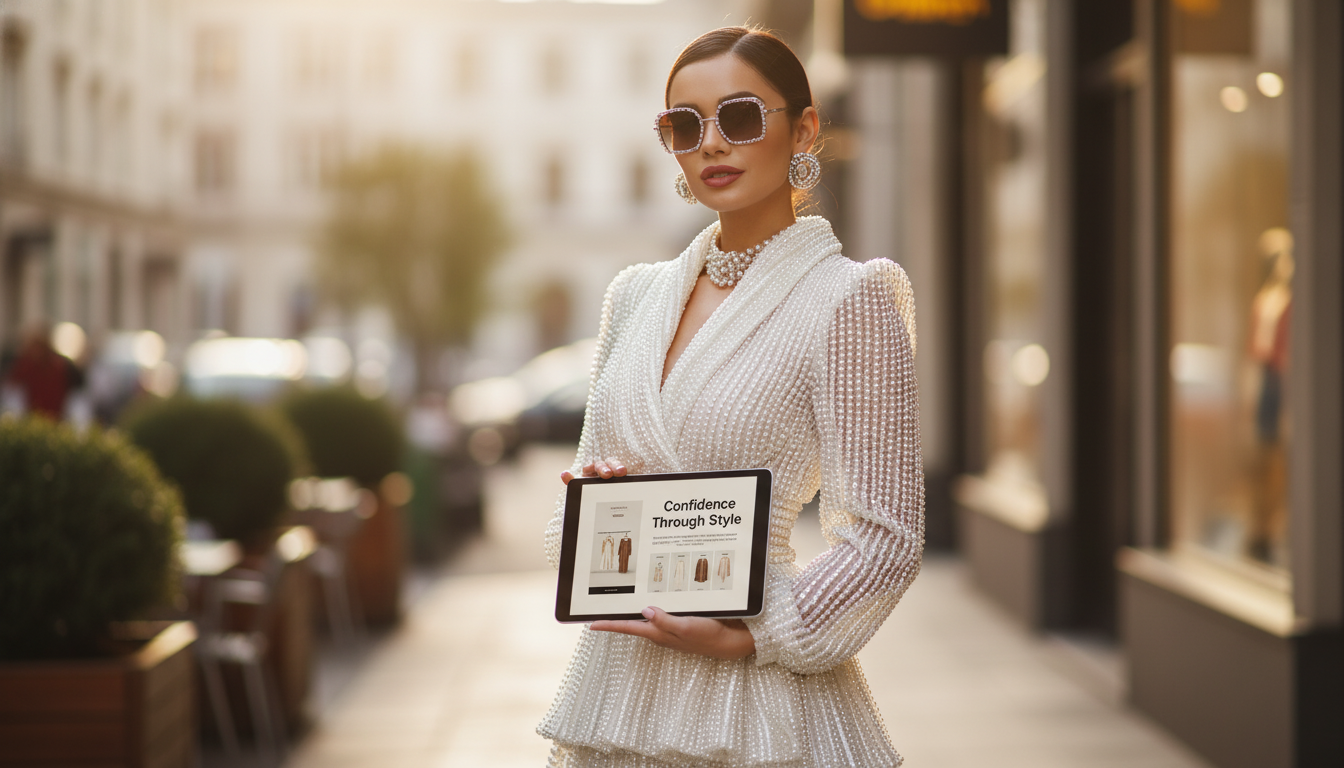
Confidence often rises when daily decisions feel simpler and more aligned with personal identity. Style can act as a practical tool for that alignment: it reduces morning friction, supports a consistent self-image, and helps body language and mood feel steadier throughout the day. This guide breaks down why clothing affects confidence and how to build a wardrobe that makes feeling capable and put-together more repeatable.
Why style can change how confident someone feels
Style is more than visual preference—it’s a daily feedback system. The outfit chosen in the morning can influence how prepared, capable, or “like yourself” you feel before the first conversation even starts.
- Clothing creates quick feedback loops: when an outfit feels “right,” posture, eye contact, and social ease often improve because attention isn’t stuck on adjusting, hiding, or second-guessing.
- A consistent style supports identity cues: repeating certain silhouettes or details reinforces values like creativity, professionalism, or calm minimalism—signals you also internalize.
- Reducing outfit uncertainty lowers decision fatigue: fewer “What do I wear?” spirals means more mental energy for the day ahead.
- Fit and comfort matter as much as aesthetics: discomfort pulls attention inward and can increase self-consciousness, even if the outfit looks great.
Researchers call part of this effect “enclothed cognition,” the idea that what you wear can influence how you think and perform when the clothing carries meaning for you. Learn more here: Enclothed cognition.
Confidence triggers hidden in everyday outfits
Small, repeatable outfit choices can act like reliable “switches” for confidence—especially when they reduce self-monitoring and increase a sense of readiness.
- Fit: garments that skim rather than squeeze tend to feel more wearable and less distracting across a full day.
- Color: certain palettes feel energizing or grounding; repeating a personal “power palette” can become an instant reset.
- Structure: a blazer, crisp collar, or defined waist can signal readiness and sharpen presence—even in casual settings.
- Texture and quality cues: intentional fabrics (denim, knit, linen, wool blends) make outfits feel chosen, not thrown together.
- Shoes and accessories: small anchors (clean sneakers, a watch, simple jewelry) pull an outfit into “finished” territory fast.
A simple personal style system that builds confidence (without overhauling everything)
Confidence grows faster when style becomes a system rather than a constant reinvention. The goal is a flexible framework that makes “getting dressed” easier on both high-energy and low-energy days.
- Pick three words for your vibe: examples include polished–approachable–modern or relaxed–creative–clean. Use them as a quick filter for purchases and outfit decisions.
- Choose a base palette: start with 2–3 neutrals plus 2–3 accent colors that mix easily. This creates natural outfit cohesion without effort.
- Name your comfort non-negotiables: fabric sensitivity, waist preferences, sleeve length, footwear needs, and how much structure you can tolerate.
- Create two default formulas: for example, dark jeans + fitted tee + layer; or wide-leg trousers + knit + clean shoe.
- Use a 10-second mirror check: confirm fit, proportion, and one intentional detail (a color pop, an accessory, or a tailored layer).
If you like checklists and quick rules, pairing style habits with a simple consistency practice can help reinforce self-efficacy—the belief that you can follow through on what you intend. Reference: APA Dictionary of Psychology: self-efficacy.
Smart wardrobe choices that make getting dressed easier
When a closet supports real life, confidence becomes more automatic. The aim is fewer “almost-right” pieces and more reliable building blocks that work across multiple contexts.
Confidence-Boosting Building Blocks and How to Wear Them
| Wardrobe piece | Why it helps confidence | Easy outfit formula |
|---|---|---|
| Well-fitting dark jeans or trousers | Reliable base that feels pulled together | Dark bottoms + simple top + structured layer |
| Comfortable, polished shoes | Improves posture and reduces fidgeting | Neutral shoe + matching belt/metal tone accessory |
| Layering piece (blazer, jacket, cardigan) | Adds structure and intention quickly | Basic tee + layer + minimal accessory |
| Go-to top in a flattering neckline | Frames the face and feels “ready” on camera/in person | Neckline top + denim + clean sneaker/boot |
| Accessory anchor (watch, earrings, scarf) | Signals completion without extra effort | Any outfit + one anchor + tidy hair/shoes |
Body confidence and clothing: making fit work for you
Quick routines that keep style supportive, not stressful
For a broader mindset boost, the habits that build confidence tend to be the same ones that build competence: small, repeatable actions and a clear plan. Helpful perspective: Harvard Business Review: How to build confidence.
A guided resource for building confidence through personal style
- Confidence Starts With Your Style (eBook) — designed to help turn style into an everyday confidence practice rather than a one-time closet overhaul.
- Feel Alive Again Checklist – daily reset guide — a simple routine tool that pairs well with outfit formulas when you want calmer mornings and steadier follow-through.
- New Balance Men’s Green Cotton T-shirt with Pocket — an example of an upgraded basic that can anchor multiple outfits when you want “easy” without looking unfinished.
FAQ
Can clothing really make someone feel more confident?
Yes—clothing can shift self-perception, comfort, and social readiness, especially when an outfit reduces fidgeting and decision fatigue. Concepts like enclothed cognition help explain why purposeful pieces (good fit, a structured layer, a reliable shoe) can make you feel more capable quickly.
What if personal style feels confusing or changes often?
Use a flexible system: keep your comfort non-negotiables consistent while experimenting with one variable at a time (color, silhouette, or accessory). A three-word style plus a small palette and a couple outfit formulas gives you room to evolve without starting over.
How can a wardrobe look polished without buying a lot?
Focus on high-wear basics, small tailoring fixes, and repeatable outfit formulas, then add one intentional accessory to signal “finished.” Versatility matters more than volume—pieces that mix easily do most of the work.









Leave a comment