10 Daily Wins Checklist for Productivity Without Burnout
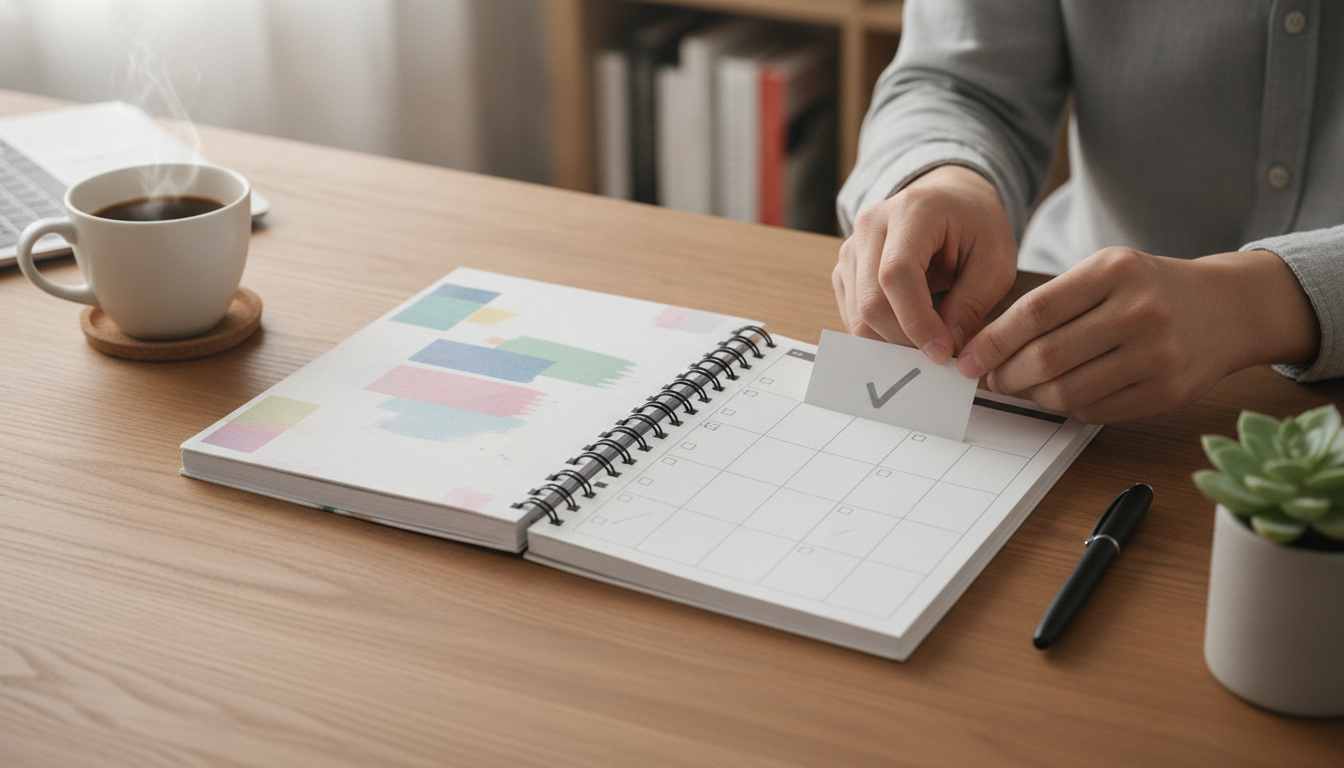
Power Productivity Checklist: 10 Daily Wins to Get Stuff Done (Without the Burnout)
Productivity doesn’t have to mean cramming more into every hour. A better approach is stacking small, repeatable wins that protect energy, reduce decision fatigue, and move the highest-impact tasks forward. This daily checklist is built around simple steps—clear priorities, focused work blocks, and quick recovery habits—so progress feels steady instead of exhausting.
What “daily wins” really are (and why they prevent burnout)
Daily wins are small, visible outcomes you can point to at the end of the day without needing heroic willpower. They work because they create momentum: each finished outcome lowers the mental load of “unfinished business” and makes it easier to start the next thing.
Burnout often grows out of vague goals, constant context switching, and no clear finish line. A win adds structure and a stopping point. Instead of “worked on proposal,” a win becomes “sent proposal” or “finished a one-page outline and scheduled review.” That outcome-based framing keeps effort from expanding endlessly.
The checklist works best when wins are realistic and limited. More items isn’t better if it raises stress; three meaningful outcomes plus a few supportive habits beats a packed list that guarantees you’ll feel behind.
Set up the day in 7 minutes: clarity before speed
A fast setup is the difference between a day that runs you and a day you run. Keep it simple:
- Pick a single “must-win” that makes the day successful even if everything else goes sideways.
- Choose two supporting wins that are smaller and clearly finishable (one work/impact, one life/admin).
- Define “done” for each win in one sentence to avoid endless tinkering.
- Do a quick calendar scan for fixed commitments and identify the best 60–120 minutes for deep work.
- Write down one constraint (low energy, meetings, errands) and plan around it instead of fighting it.
If you want a ready-made format you can reuse daily, the Power Productivity Checklist: 10 Daily Wins to Get Stuff Done (Without the Burnout) | Simple Steps to Being Productive Daily Planner Checklist gives you a clean, repeatable flow you can print or use digitally.
The 10 daily wins checklist (simple steps that compound)
Think of these as small levers that reduce resistance and protect your attention. Check them off in order, or treat them as modules you repeat throughout the day.
- Win 1: Decide the day’s #1 outcome (one sentence).
- Win 2: Choose the next two outcomes (only two).
- Win 3: Do one 10-minute “launch step” to overcome task resistance (open doc, outline, gather files).
- Win 4: Complete a focused work block (25–50 minutes) on the #1 outcome with notifications off.
- Win 5: Close loops with a 5-minute sweep (reply, file, schedule) to reduce mental load.
- Win 6: Move the body for 5–20 minutes (walk, mobility, light strength) to restore attention.
- Win 7: Eat and hydrate intentionally (one protein-forward meal or planned snack + water target).
- Win 8: Reset the environment (2-minute desk/room reset) to lower friction for the next task.
- Win 9: Create tomorrow’s head start (pick the next action and stage materials).
- Win 10: End the workday with a shutdown cue (write what’s done + what’s next, then stop).
Daily Wins at a Glance: What to Do and When
| Daily win | Time needed | Best time of day | How to know it’s done |
|---|---|---|---|
| Choose #1 outcome | 2 min | Start of day | One sentence written |
| Pick 2 supporting wins | 2 min | Start of day | Two outcomes listed |
| 10-minute launch step | 10 min | Before deep work | Materials open and first step completed |
| Focused work block | 25–50 min | Peak energy window | Concrete progress delivered (draft, edits, submission) |
| 5-minute close-the-loops sweep | 5 min | Midday or end of day | Inbox/notes reduced, next actions captured |
| Movement break | 5–20 min | After a work block | Heart rate up or mobility completed |
| Hydration + meal plan | 2–5 min | Morning / midday | Water goal set + meal/snack decided |
| 2-minute reset | 2 min | Between tasks | Workspace visibly clear |
| Tomorrow head start | 3 min | End of day | Next action written + materials staged |
| Shutdown cue | 2 min | End of workday | Plan saved and work closed |
How to time the checklist: energy-based planning instead of hustle
This approach aligns with what many workplace health resources emphasize: chronic stress and poor recovery add up over time. For additional background, see NIOSH: Stress at Work and the APA overview on stress effects on the body.
Make it stick: reduce friction with a printable daily planner checklist
If you like pairing practical planning with a more reflective routine, the Soulful Success Checklist: Your Step-by-Step Guide to Spiritual Goals | Printable Spiritual Goals Worksheet | Examples of Spiritual Goals | Digital Download can complement your shutdown cue by helping you define what “success” looks like beyond a task list.
Common obstacles (and quick fixes that don’t require motivation)
A simple way to start tomorrow (no overhaul required)
FAQ
How many items should a daily productivity checklist have?
Aim for 3 key outcomes plus a short set of supportive habits. Fewer items improves follow-through, keeps priorities clear, and reduces the overwhelm that makes people quit midweek.
What if the day gets derailed by meetings or family needs?
Switch to a minimum version: protect one short focus block and redefine wins smaller (a decision made, an outline finished, the next step scheduled). That way you still create forward motion even when time is fragmented.
How do you stay productive without burning out?
Use energy-based planning, limit priorities, and rely on focused work blocks with real breaks in between. A clear shutdown routine also protects recovery by giving your brain a firm “work is done” signal.
















Leave a comment