2764Wh LiFePO4 Expansion Battery: Longer Backup Runtimes
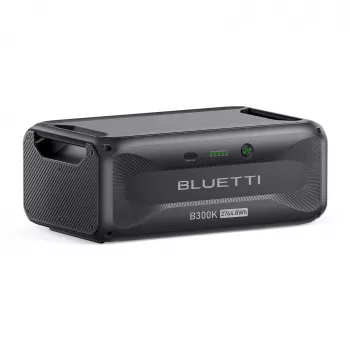
Portable 2764Wh Expansion Battery for Power Stations (LiFePO4) for Off-Grid and Home Backup
A high-capacity expansion battery can turn a capable power station into a practical backup system for outages, off-grid cabins, and mobile setups. A 2764Wh LiFePO4 expansion battery adds substantial energy storage so your existing inverter can run longer without changing how you use your power station day to day. Below is a clear breakdown of what this capacity realistically covers, how to estimate runtime, what to confirm for compatibility, and how to operate it safely for dependable reserve power. For more guidance, see Energy storage technology and its impact in electric vehicle.
What an expansion battery adds to a power station
An expansion battery primarily increases total stored energy (watt-hours). That means longer runtimes for the same devices, while the main power station still determines the maximum AC wattage it can output. In practice, added capacity helps smooth common real-life scenarios: overnight use, multi-day outages, and solar charging cycles where clouds or short winter days can leave you short on energy. For further reading, see Economical and Ecofriendly Lithium-Ion Battery Recycling.
Expansion packs work best with power stations designed for it—typically models with dedicated expansion ports and (in some ecosystems) battery-to-station communication so state-of-charge reporting and charging behavior remain accurate. The biggest wins come from predictable, steady loads: a fridge’s duty cycle, CPAP use, router/modem, lighting, fans, small tools, and device charging.
Core specs that matter for real-world runtime
Capacity (Wh) and usable energy
A 2764Wh rating indicates the stored energy in the battery. When powering AC devices, usable energy is lower due to conversion losses in the inverter and power adapters. A practical planning range is to assume 80–90% usable on AC for many setups, then refine based on your typical loads and the station’s efficiency.
LiFePO4 chemistry
LiFePO4 (lithium iron phosphate) is widely chosen for backup power because it offers strong cycle life and a stable thermal profile compared with many other lithium chemistries. For general battery behavior, charging practices, and safety considerations, Battery University is a helpful reference: https://batteryuniversity.com/.
Continuous and peak draw
Expansion batteries extend duration, not maximum AC output. If your power station inverter is rated for 2000W continuous, adding an expansion battery won’t make it a 3000W inverter—it will simply allow 2000W loads to run longer (within the battery and cable limits of the ecosystem).
Temperature and storage
Performance and longevity improve when used and stored within recommended temperature ranges. Cold can reduce available power temporarily, and charging in freezing conditions is often limited by the battery management system (BMS).
Ports and integration
Quick sizing guide for a 2764Wh expansion battery
| Load example | Typical watts | Approx. hours from 2764Wh (before losses) | Notes |
|---|---|---|---|
| Wi‑Fi router + modem | 20–40W | 69–138 hrs | Often used during outages; actual draw varies by gear |
| LED lighting (whole room) | 10–30W | 92–276 hrs | Great for overnight use and long runtimes |
| CPAP (no heated humidifier) | 30–60W | 46–92 hrs | Heated features can greatly increase demand |
| Portable fridge/cooler (average) | 40–80W avg | 35–69 hrs | Compressor cycling makes averages more accurate than peaks |
| Laptop charging (average) | 30–90W | 31–92 hrs | Depends on charger and workload |
To estimate your own devices, start with average watts (or watts × hours per day). The U.S. Department of Energy offers a straightforward method to estimate household electronics and appliance consumption: https://www.energy.gov/energysaver/estimating-appliance-and-home-electronic-energy-use.
Home backup scenarios that benefit most
Off-grid and mobile use: cabins, RVs, and job sites
For off-grid cabins and RV setups, added capacity pairs naturally with solar. The buffer helps you ride through cloudy stretches without immediately draining the system, and it reduces how often solar must “catch up” after heavier use. For solar-plus-storage concepts and system planning resources, NREL is a solid starting point: https://www.nrel.gov/.
Compatibility checks before buying
Compatibility checklist
| Check | Why it matters | What to verify |
|---|---|---|
| Expansion port present | Required for charging/discharging with the power station | Exact model compatibility list from the manufacturer |
| Supported battery count | Prevents over-current and unstable behavior | Maximum number of expansion packs allowed |
| Charge method | Affects downtime between uses | Solar/AC/DC charging rates and whether they change with expansion attached |
| Monitoring | Helps avoid unexpected shutdowns | Whether the power station displays expansion battery SOC and health data |
LiFePO4 advantages for backup power
Setup, daily use, and maintenance tips
When 2764Wh is the right size (and when to go bigger)
Featured in-stock options
- Portable 2764Wh Expansion Battery for Power Stations, LiFePO4 Backup for Off-Grid and Home Use
- Your Smart Guide to Investing in Rural Real Estate | Digital eBook for Beginners & Investors | Rural Real Estate Investment Guide PDF Download
FAQ
How long will a 2764Wh expansion battery run a refrigerator during an outage?
It depends on the refrigerator’s average wattage (because the compressor cycles), room temperature, and how often the door is opened. Estimate runtime by dividing usable watt-hours (often 80–90% of 2764Wh on AC) by the fridge’s average watts; for example, a 70W average load can land around 31–35 hours after losses.
Can a LiFePO4 expansion battery be used in freezing temperatures?
Discharging is often possible in freezing conditions, though capacity and power can drop. Charging below freezing is commonly limited or blocked by the BMS to prevent damage, so warming the battery (indoors or with a protected warmed compartment) and following the manufacturer’s temperature limits is important.
Does an expansion battery increase the maximum wattage a power station can output?
No—an expansion battery increases stored energy (runtime), while the power station’s inverter usually sets the maximum AC output. Only systems designed to scale inverter capacity can raise maximum wattage, and that’s a separate feature from battery expansion.













Leave a comment