Lock It Before It’s Gone: Car Theft Prevention Plan
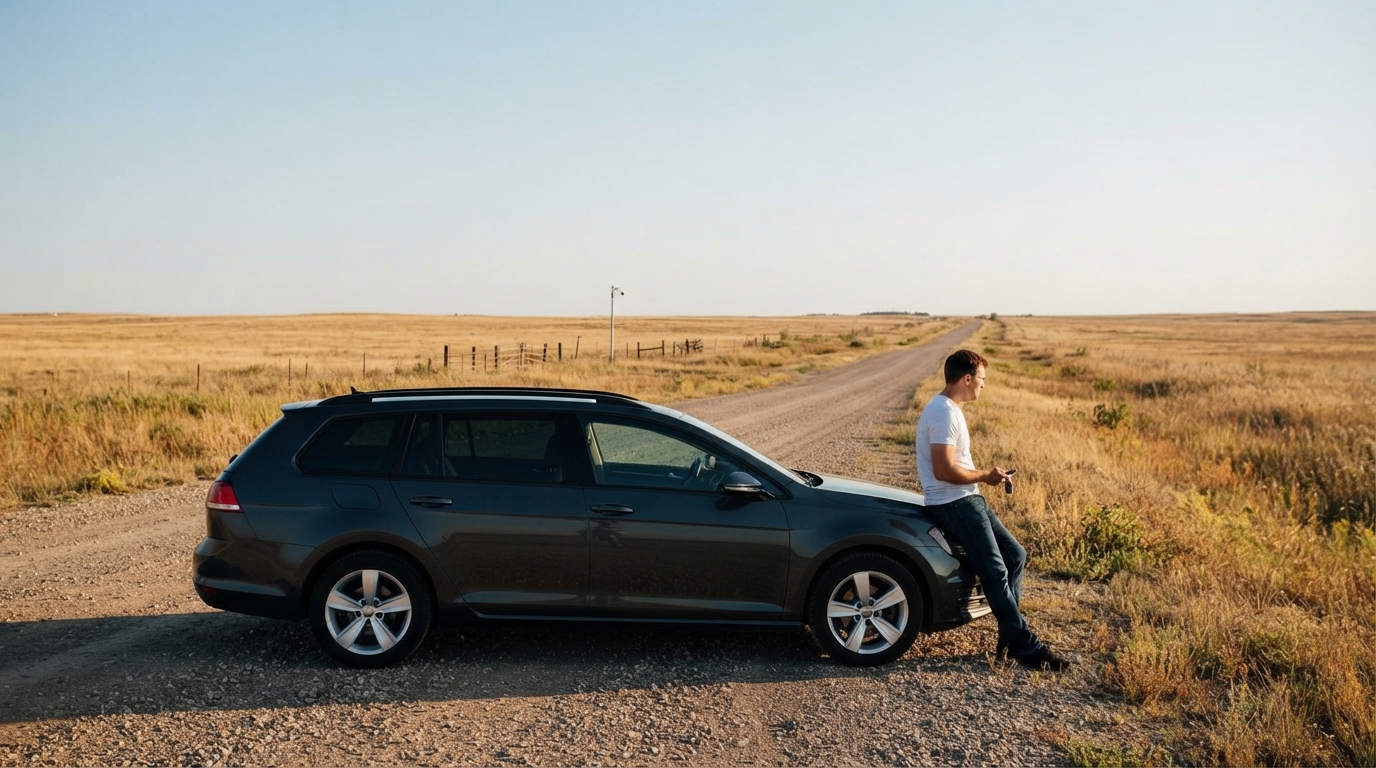
Car theft and break-ins often happen in seconds—at gas stations, hotel lots, trailheads, airport parking, and even driveways. A strong prevention plan combines habits (what to do every time), layers (what to add to the vehicle), and smart choices (where and how to park). The steps below prioritize quick wins first, then add optional upgrades for higher-risk situations like road trips, rentals, and overnight parking.
Know the most common theft opportunities
Most incidents aren’t movie-style heists—they’re fast “easy win” attempts. Reduce your risk by recognizing the moments thieves look for:
- Unattended, unlocked vehicles: quick door-checks in parking lots and residential streets.
- Keys left in the car or near the car: especially during quick stops, remote start warm-ups, and at car washes.
- Valuables in plain sight: bags, electronics, cords, change, or anything that suggests something worth stealing.
- Poorly lit or low-traffic areas: end-of-row parking, back corners of lots, alleys, isolated trailheads.
- Repeat-target locations: hotel lots, airport long-term parking, commuter lots, events, and nightlife areas.
- Modern attack methods: relay attacks on keyless entry systems, reprogramming keys, and exploiting unsecured OBD ports.
Risk cues and the quickest fix
| Risk cue | Why it matters | Quick fix to use today |
|---|---|---|
| Bag/jacket visible on seat | Signals valuables and invites smash-and-grab | Move items to trunk before arrival; keep cabin empty |
| Parked far from entrances | Lower visibility and fewer witnesses | Choose high-traffic, well-lit spots near entrances |
| Keys in cupholder/console | Removes the main barrier to theft | Pocket keys immediately; use a consistent “keys check” routine |
| Windows cracked open | Enables reach-in and easier entry | Fully close windows; lock doors every time |
| Key fob stored near exterior wall at home | Increases relay-attack risk | Store fob deeper inside; use a Faraday pouch if needed |
The 60-second lock-up routine (use it every time)
Consistency beats complexity. A simple routine reduces “brain-off” mistakes during busy moments like fueling, unloading groceries, or checking into a hotel.
- Stop before exiting: take 2 seconds to scan the cabin for anything visible (bags, chargers, sunglasses cases).
- Take keys and confirm: physically feel keys/fob in a pocket or bag—avoid leaving them on the seat “for a second.”
- Close everything: doors, windows, sunroof, and hatch/trunk fully latched.
- Lock and verify: press lock and check for confirmation; test one door handle before walking away.
- No clues left behind: remove garage door openers and anything showing a home address (registration documents should be secured).
- Repeat at high-risk stops: fuel stations, rest stops, convenience stores, hotel check-in, and loading/unloading moments.
Printable quick checklist (HTML version)
| Item | Done |
|---|---|
| Keys in hand/pocket | ☐ |
| Windows/sunroof closed | ☐ |
| Doors locked (handle-check) | ☐ |
| Valuables removed/hidden | ☐ |
| No documents visible | ☐ |
| Parking spot is lit/visible | ☐ |
Layered security upgrades (pick the layers that match your risk)
Good security makes theft harder, slower, and louder—while improving your odds of recovery if the worst happens.
Security layers at a glance
| Layer | Best for | Trade-off to consider |
|---|---|---|
| Visible physical lock | Quick deterrence in public parking | Must be used consistently |
| Immobilizer/kill switch | Higher-risk neighborhoods and overnight parking | Cost and installation complexity |
| GPS tracking | Recovery after theft and fleet/teen monitoring | Subscription/battery management |
| Keyless protection | Homes and hotels where relay attacks are plausible | Adds a daily routine step |
| Alarm upgrades | Break-in-heavy areas | False alarms if poorly tuned |
Travel and hotel parking: reduce risk away from home
High-risk travel stops and what to do differently
| Stop | Common vulnerability | Best prevention move |
|---|---|---|
| Gas station | Keys left inside during quick payment | Lock doors even while fueling; keep fob in pocket |
| Rest area | Isolated parking and distracted unloading | Park near other travelers; keep cabin empty |
| Hotel lot | Overnight exposure | Choose lit/camera-covered areas; remove all valuables |
| Airport parking | Long dwell time | Use reputable facilities; remove documents and garage opener |
Home and driveway security that actually helps
What to do if theft or a break-in happens
A ready-to-use checklist and guide for drivers and travelers
If you want a compact, step-by-step plan that’s easy to follow on the road, use Lock It Before It’s Gone | Car Theft Prevention Guide, Vehicle Security eBook, Smart Anti-Theft Checklist for Drivers & Travelers. It’s built around repeatable routines, layered vehicle security, and practical travel parking habits—useful for commuting, road trips, hotel stays, and long-term parking.
For readers who like structured checklists for other parts of life and planning, you can also browse: Your Smart Start Checklist for Commercial Property Success – Commercial Property Investment Guide, eBook for New Investors, Digital Download and Soulful Success Checklist: Your Step-by-Step Guide to Spiritual Goals.
Learn more from authoritative resources
For additional theft-prevention guidance and broader crime context, review resources from the National Insurance Crime Bureau (NICB), the FBI Crime Data Explorer, and the National Highway Traffic Safety Administration (NHTSA).
FAQ
Does a steering wheel lock actually prevent car theft?
It’s primarily a visible deterrent that adds time and hassle, which often pushes opportunistic thieves to move on. It works best when paired with consistent locking habits, keyless-entry protection, and a recovery plan like tracking.
How can keyless entry cars be protected from relay attacks?
Store the fob away from doors and windows, and use a Faraday pouch or box if relay theft is a concern in your area. If your vehicle supports it, disabling passive entry and keeping vehicle software updated can further reduce exposure.
Should valuables be hidden in the trunk when parking?
Yes—keeping the cabin empty reduces smash-and-grab risk, and the trunk is typically safer than seats or floorboards. When possible, load valuables into the trunk before arriving so you don’t advertise where items are stored.














Leave a comment