High-Speed Ionic Dryer Guide: Brushless + Diffuser
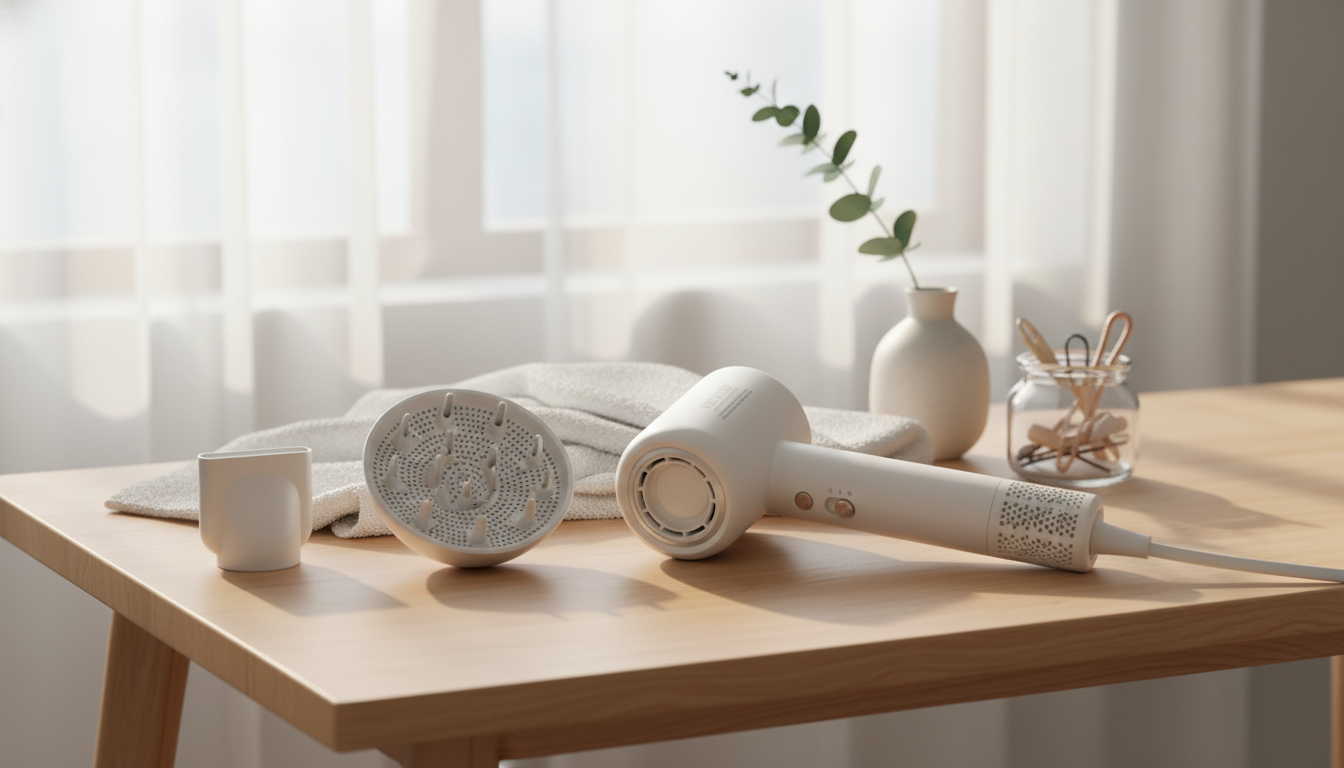
High-Speed Ionic Drying: What Changes with Modern Airflow
A high-speed hair dryer that pairs an ionic system with a brushless motor and a diffuser is built around one goal: get hair dry quickly while keeping the finish smoother and more controlled. Faster drying matters because it can reduce the total time hair is exposed to heat, and smart attachments can help direct (or soften) airflow so you don’t undo your styling efforts mid-dry.
Below is a practical guide to what “high-speed,” “ionic,” “brushless,” and “diffuser” really do, plus easy starting settings and technique tweaks that can make a noticeable difference for frizz-prone hair, waves, and curls.
What Makes a High-Speed Ionic Dryer Different
Traditional dryers can get the job done, but high-speed models focus on efficient water removal with strong, controlled airflow. That difference affects both styling time and how hair looks when you’re finished.
- High-speed airflow targets water removal efficiently, which can cut overall drying time and help limit prolonged heat exposure.
- Ionic output helps reduce static and flyaways, supporting a smoother-looking finish on many hair types.
- Brushless motor design is engineered for efficient power delivery and long-term durability, often in a lighter, more compact body.
- Diffuser attachment spreads airflow to help maintain curl clumps and reduce disturbance that can cause frizz.
For everyday care basics (like gentle detangling and minimizing breakage), the American Academy of Dermatology Association offers helpful hair-care guidance that pairs well with heat styling routines.
Brushless Motor Benefits for Daily Styling
Motor type affects how a dryer feels to use—especially if you blow-dry often, have thick hair that needs airflow, or prefer smoother results with a brush and nozzle.
- More consistent airflow can improve predictability when smoothing sections with a brush.
- Lower-friction operation can mean less internal wear over time compared with traditional brushed motors.
- Supports multiple settings (heat/speed combinations) without feeling weak at practical, mid-range levels.
- Flexible for thick or fine hair: strong airflow helps dense hair dry faster, while fine hair benefits from lower heat paired with controlled speed.
| Feature | Brushless motor dryer | Traditional brushed motor dryer |
|---|---|---|
| Airflow consistency | Typically steadier at comparable settings | Can vary more with wear and load |
| Maintenance | Generally fewer wear components | Brush wear can affect performance over time |
| Weight/size | Often compact for the power level | Varies; can be bulkier for similar airflow |
| Best for | Frequent styling, faster drying routines | Occasional use, basic drying needs |
How Ionic Technology Helps with Smoothness
Ionic dryers are often chosen for frizz control, but the best results come from combining ionic airflow with smart technique. Ion output can help reduce static electricity, which is a common contributor to flyaways—especially in dry climates or during winter.
- Negative ions can help reduce static, which supports a sleeker look and fewer “halo” flyaways.
- Technique still matters: controlled heat, steady movement, and sectioning typically make more difference than max heat alone.
- Very fine hair often does best with moderate heat and a cool finish to avoid looking limp.
- Coarse or frizz-prone hair usually responds well to strong airflow plus a nozzle-and-brush method to improve alignment and shine.
When choosing styling products like heat protectants and smoothing creams, it’s useful to review general safety basics from the U.S. Food & Drug Administration, especially if you’re sensitive to certain ingredients.
Using the Diffuser for Defined Waves and Curls
A diffuser is designed to spread airflow so curls and waves aren’t blasted out of their natural pattern. It’s ideal when your priority is definition and controlled volume rather than a straight, polished blowout.
- Start gentle: low heat and low airflow helps prevent disrupting curl formation.
- Cup and lift: gather curls into the diffuser, lift toward the scalp, hold briefly, then move to the next section.
- Avoid over-drying: stop when hair is mostly dry, then let remaining moisture air-dry to help reduce frizz.
- Cool shot finish: a cool burst can help set the shape and reduce puffiness.
Best Settings by Hair Type (Simple Starting Points)
| Hair type | Heat | Speed | Attachment/technique |
|---|---|---|---|
| Fine/straight | Low–Medium | Medium | Concentrator + brush; finish cool |
| Wavy | Medium | Low–Medium | Diffuser; minimal handling |
| Curly | Low–Medium | Low | Diffuser; hover then cup sections |
| Thick/coarse | Medium–High (then Medium) | High (then Medium) | Rough dry first, then smooth in sections |
Routine Tips for Faster Drying with Less Frizz
Safety, Comfort, and Maintenance Checks
Product Spotlight: High-Speed Ionic Hair Dryer with Brushless Motor & Diffuser
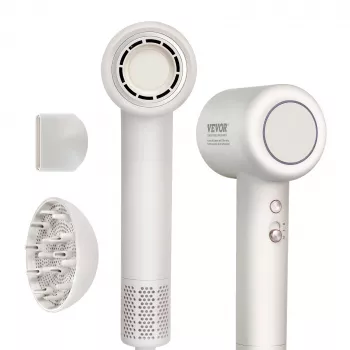
If quicker drying and a smoother finish are priorities, the High-Speed Ionic Hair Dryer with Brushless Motor & Diffuser for Smooth Hair is built around fast airflow drying with ionic support. The brushless motor design targets consistent performance for regular routines, and the included diffuser makes it easier to enhance waves and curls with less disturbance.
| Item | Details |
|---|---|
| Product | High-Speed Ionic Hair Dryer with Brushless Motor & Diffuser for Smooth Hair |
| Price | 55.51 USD |
| Availability | In stock |
| Link | View product |
More In-Stock Picks
- Your Smart Guide to Investing in Rural Real Estate | Digital eBook for Beginners & Investors
- Soulful Success Checklist: Your Step-by-Step Guide to Spiritual Goals | Digital Download
FAQ
Does an ionic hair dryer work for curly hair?
Yes. Use a diffuser with lower airflow and low-to-medium heat, and focus on gentle drying so curl clumps stay intact and frizz stays controlled.
What is the advantage of a brushless motor in a hair dryer?
A brushless motor typically delivers efficient performance with more consistent airflow and is built for durability with fewer wear components than brushed designs.
How can hair be dried faster without making it frizzy?
Blot out excess water first, rough-dry briefly with controlled heat, then finish in sections with minimal handling. End with a cool shot to help reduce flyaways and set the style.












Leave a comment