Affordable Glam Checklist: Look Expensive for Less
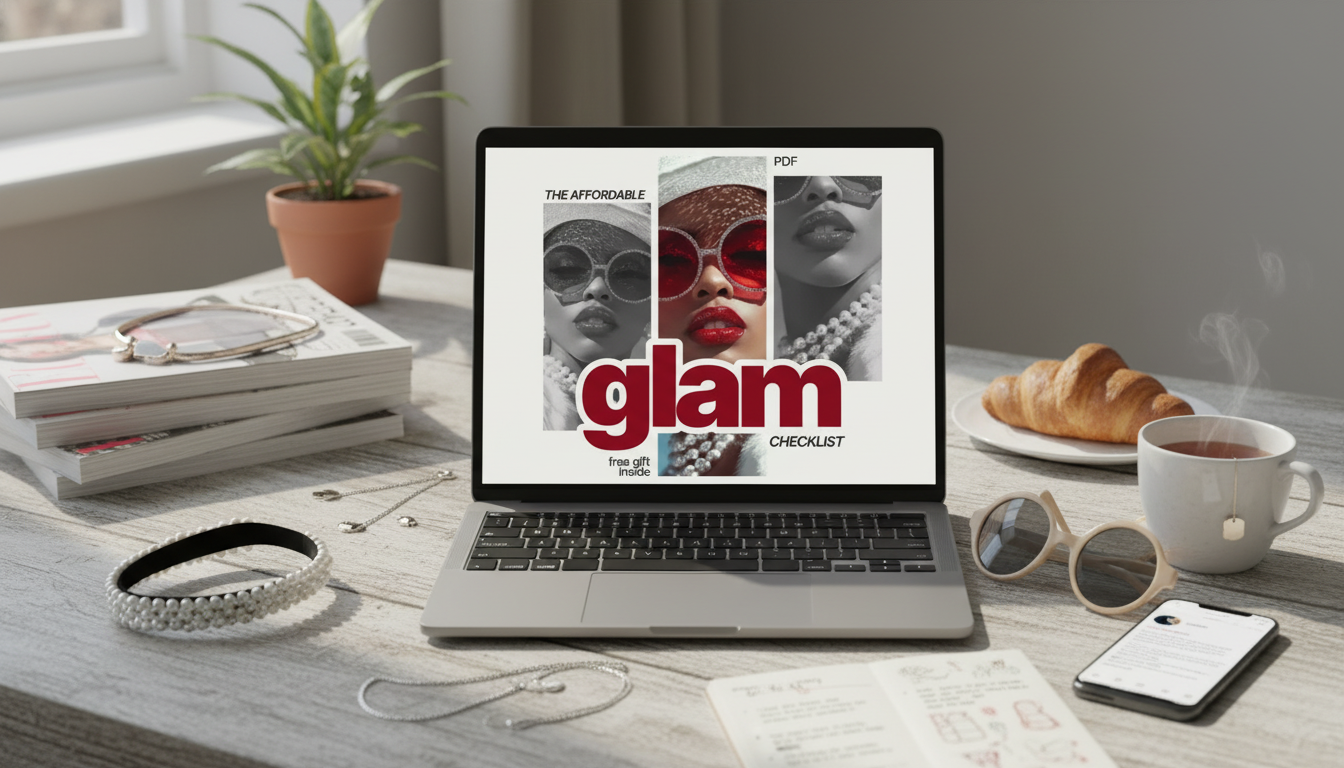
The Affordable Glam Checklist: Polished Style on a Budget
Looking expensive isn’t about chasing logos—it’s about fit, fabric cues, clean styling, and repeatable outfit formulas. Affordable glam is built on small, high-impact upgrades that make everyday outfits feel refined while keeping spending under control. Use the checklist below to “edit” what you already own, shop more selectively, and get that pulled-together finish on regular-life timelines.
What “affordable glam” really looks like
- Prioritize sharp proportions: defined waistlines, intentional layering, and balanced silhouettes.
- Choose pieces that hold their shape: structured outerwear, thicker knits, and substantial tees.
- Keep finishes clean: pressed hems, lint-free fabric, polished shoes, and minimal pilling.
- Build around a tight color story: monochrome, tonal neutrals, or two-color outfits read elevated.
- Limit statement elements to one per outfit: bold earrings, a sleek belt, or a standout jacket.
Even runway inspiration tends to land on these same fundamentals—clean lines, intentional styling, and strong silhouettes—just translated into daily wear. If you like tracking broader direction, glance at seasonal cues from Vogue’s fashion trends and then filter them through the “fit + finish + color story” lens.
Checklist of budget trends that read luxe (and how to wear them)
- Monochrome sets: match shades closely and vary textures (rib knit + smooth trouser) to avoid looking flat.
- Tailored basics: swap oversized for “clean relaxed”—shoulders aligned, sleeves not swallowing hands.
- Quiet luxury accessories: simple gold-tone hoops, a minimal watch, and a structured bag shape.
- Satin and slip details: keep lines simple and pair with matte layers (blazer, cardigan) for balance.
- Longline coats and trench silhouettes: belting and crisp collars instantly elevate casual outfits.
- Pointed-toe or almond-toe shoes: even budget pairs look refined when kept clean and scuff-free.
- Denim with a “designer” wash: deep indigo, black, or clean medium blue without heavy whiskering.
Affordable Glam Quick-Check Table
| Trend | Budget-friendly version | Styling cue that looks expensive | Common mistake to avoid |
|---|---|---|---|
| Monochrome outfit | Same-color top + bottom in nearby shades | Add one contrasting texture (leather, knit, satin) | Too many logos or busy prints |
| Tailored trousers | Pleated or straight-leg with a mid-rise | Crisp crease + belt with simple buckle | Hem pooling over shoes |
| Trench-style layer | Poly-blend trench with structure | Collar up, sleeves pushed once, belt tied neatly | Thin fabric that collapses at the shoulders |
| Minimal jewelry | Gold-tone or silver-tone basics | One focal piece, everything else subtle | Stacking too many mixed styles |
| Sleek shoes | Affordable pointed/almond toe flats or heels | Neutral color + spotless finish | Worn soles, creases, and visible scuffs |
Small upgrades that change the whole outfit
- Fit fixes: tailor hems, adjust waist gaps, and choose the right undergarments for smooth lines.
- Fabric care routine: lint roll before leaving, steam wrinkles, and depill knits regularly.
- Hardware matters: swap flimsy buttons, add a structured belt, and choose bags with firm handles.
- Outfit “frame”: polished hair, neat nails, and subtle fragrance can make basics look intentional.
- One-and-done formulas: (1) trench + tee + straight jeans + pointed flats; (2) monochrome knit set + sleek sneakers; (3) slip skirt + sweater + belt.
One easy win is upgrading the “base layer” so everything on top looks better. A thicker, well-cut tee reads more premium than a thin one, even when styled simply. If you want a ready-to-wear staple, try the New Balance Men’s Green Cotton T-shirt with Pocket and keep the rest of the outfit streamlined: straight jeans, a structured layer, and clean shoes.
A 10-minute styling routine for busy days
- Pick the base: start with one neutral column (black, cream, camel, navy) from top to bottom.
- Add structure: layer a blazer, trench, or structured cardigan to sharpen the silhouette.
- Define one focal point: earrings, belt, or shoes—choose only one to stand out.
- Check proportions in a mirror photo: balance volume (wide pants + fitted top; slim pants + relaxed knit).
- Finish with care: wipe shoes, remove lint, and smooth collar/shoulders before stepping out.
For extra confidence, use a simple “industry lens” to keep choices intentional: design leadership organizations like the CFDA emphasize craft and standards across fashion. Translating that to a budget closet means prioritizing construction cues (shape, drape, finishing) over labels.
Build a capsule that always looks put-together
A capsule works best when every piece plays nicely with your color story. If you’re unsure which direction to commit to, keep your base in two neutrals (like black + cream, navy + camel, or gray + white), then rotate a single accent. This kind of “edited wardrobe” approach is also a smart response to changing trend cycles often discussed in industry reporting like The Business of Fashion reports.
Make it easy: a printable checklist you can reuse
If you want everything in one place, the The Affordable Glam Checklist – Budget Fashion Trends That Look Expensive | Chic Style Guide Digital Download is an easy way to keep your “polished rules” handy while you shop or get dressed.
FAQ
What makes an outfit look expensive even if it’s budget-friendly?
Fit and clean lines do most of the heavy lifting: aligned shoulders, hem lengths that hit intentionally, and structured layers instantly elevate basics. Add a cohesive color palette, minimal branding, and well-maintained shoes and accessories, and the whole look reads more refined.
How can a closet look more polished without buying a lot of new items?
Start with hemming and small tailoring tweaks, then keep a simple care routine (steam, depill, lint roll) so fabrics look fresh. Upgrading one belt or structured bag and repeating a few reliable outfit formulas can make the entire wardrobe feel more intentional.
Which colors look the most chic for everyday outfits?
Neutrals and tonal dressing look consistently polished: black, cream, camel, navy, gray, and espresso are easy to mix. Keeping outfits monochrome or within a tight two-color palette, then adding one accent color occasionally, tends to look especially elevated.










Leave a comment