Dual-Motor High-Speed RC Boat: Setup, Runs & Care
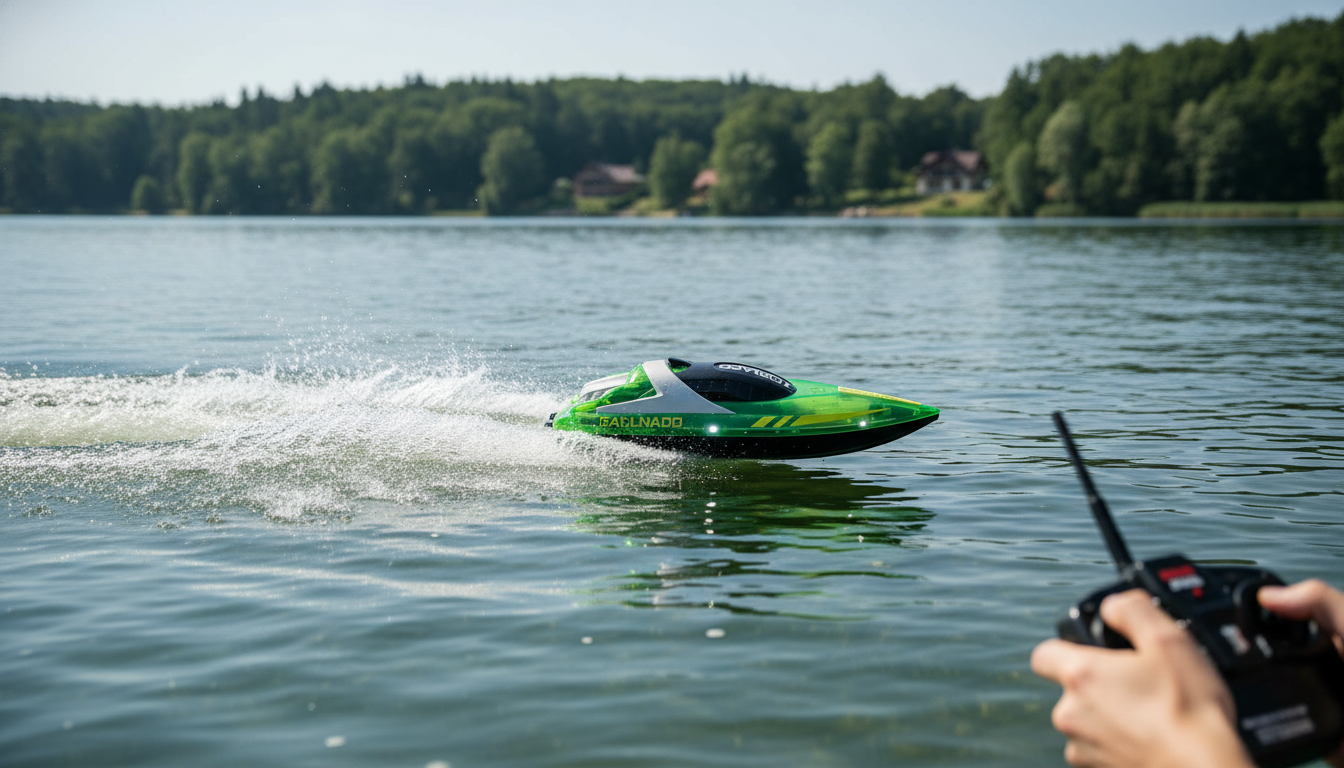
High-Speed RC Boat with Dual Motors: What to Expect and How to Get the Best Runs
A dual-motor RC boat is built for punchier acceleration, steadier tracking, and a more exciting feel on the water—especially on open ponds and calm lakes. With extra power on tap, the little details matter more: a good battery, a clean prop area, and a tight hatch seal can make the difference between a fast, confident run and a frustrating one. Below is what to look for, how dual motors change handling, and the habits that keep performance consistent run after run.
What Makes a Dual-Motor RC Boat Different
Dual-motor setups stand out because they deliver a stronger “push” the moment you squeeze the trigger. Compared with many single-motor toy boats, two motors can launch faster and keep speed more confidently through light chop. Balanced thrust can also help the hull feel more planted in turns, reducing the skatey, loose sensation smaller boats sometimes get at higher speeds.
The tradeoff is that higher power potential makes the basics more important. Battery quality affects punch and runtime, cooling and ventilation matter more when you run back-to-back packs, and prop protection becomes a priority if you’re near weeds, sticks, or shallow areas. Expect a slightly louder, more energetic sound profile too—some vibration and water spray are normal once you start doing full-throttle passes.
Performance and Handling: Speed, Turns, and Stability
Dual motors change the feel more than the numbers on the box. Acceleration is typically the first thing noticed, and that quick hit can surprise new drivers—especially in shallow water where props can “bite,” then slip (cavitation) if you hammer full throttle instantly.
Quick expectations for dual-motor boats
| Feature | What you’ll notice on the water | Simple tip |
|---|---|---|
| Acceleration | Faster launch and more punch | Roll on throttle for 1–2 seconds instead of instant full power |
| Turning | Tighter turns possible but easier to oversteer | Ease off throttle slightly before sharp turns |
| Runtime | Can drain faster if driven aggressively | Use smooth throttle and plan short high-speed bursts |
| Conditions | Handles light chop better than many entry boats | Start on calm water to learn the handling first |
For top speed, hull design and conditions often matter as much as power. Calm water tends to deliver the best peak runs, while wind and chop can make a small hull hop and scrub speed. In turns, a common trick is a quick throttle reduction before steering hard; staying pinned at full throttle in a tight turn can cause a spin-out or a flip on smaller models. If your boat offers trim adjustments, small tweaks (plus steady steering inputs) help it track straighter over longer passes.
Key Features to Check Before Buying
When comparing dual-motor boats, start with the parts that protect consistency: battery, sealing, and control link quality.
- Battery type and capacity: Higher capacity generally means longer runtime, and reputable cells hold voltage better under load for steadier speed.
- Charging: Look for clear indicators and safety cutoffs. Follow the provided charge-time guidance and avoid charging packs that are still hot from a run.
- Water resistance: Sealed hatches, splash protection, and a snug canopy fit reduce water intrusion and keep electronics happier.
- Self-righting or recovery aids: If it flips, self-righting is a big convenience. If it doesn’t have it, plan retrieval (line/ball, pole, kayak, or a second boat).
- Controller range and responsiveness: A stable connection matters more at speed. Keep antennas unobstructed and avoid signal-heavy areas when possible.
For broader safety reminders when operating anything fast on the water, review guidance from the U.S. Coast Guard Boating Safety.
Setup and First-Run Checklist
A clean first run helps you spot issues before they become habits.
Battery Care and Runtime Habits
If your model uses rechargeable lithium packs, follow the manufacturer’s handling and storage guidance. For a deeper overview of lithium battery behavior and best practices, Battery University offers a practical reference: Battery University: Lithium-based Batteries.
Care, Maintenance, and Common Fixes
Safety and Best Places to Run
A Fast, Budget-Friendly Option
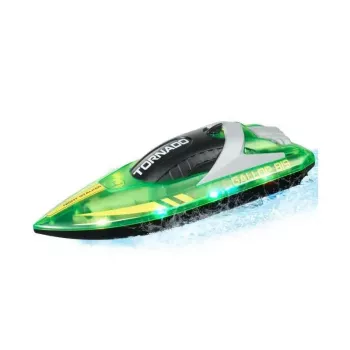
If the goal is a lively dual-motor experience without overthinking the setup, High-Speed RC Boat with Dual Motors is designed for quick acceleration and fun top-end runs at an approachable price point. Smooth throttle inputs and a clean prop area are the easiest ways to keep it feeling consistent session to session.
Product snapshot
| Item | Price | Availability |
|---|---|---|
| High-Speed RC Boat with Dual Motors | $36.51 | In stock |
Optional add-ons for lake-day comfort
- New Balance Men’s Green Cotton T-shirt with Pocket for an easy extra layer after a breezy session.
- Feel Alive Again Checklist – Digital Download for a quick reset routine between outings.
FAQ
How fast can a dual-motor RC boat go?
Speed varies a lot based on hull shape, battery voltage and health, prop design, and water conditions. Calm water and a fully charged, healthy battery typically produce the best real-world top runs.
What should be done if the boat flips or stops far from shore?
Cut throttle immediately and see if it can self-right (if equipped) or safely drift closer. Plan a retrieval method ahead of time—like a line-and-ball or pole—and avoid risky swim retrievals.
Why does the boat slow down after a few minutes?
Common causes include battery voltage sag, heat buildup triggering reduced output, weeds wrapped on props, or minor water intrusion. Let the boat cool, clean the prop area, fully recharge the pack, and re-check the hatch seal before the next run.















Leave a comment