Printable Newborn Cue Checklist: Calm, Confident Responses
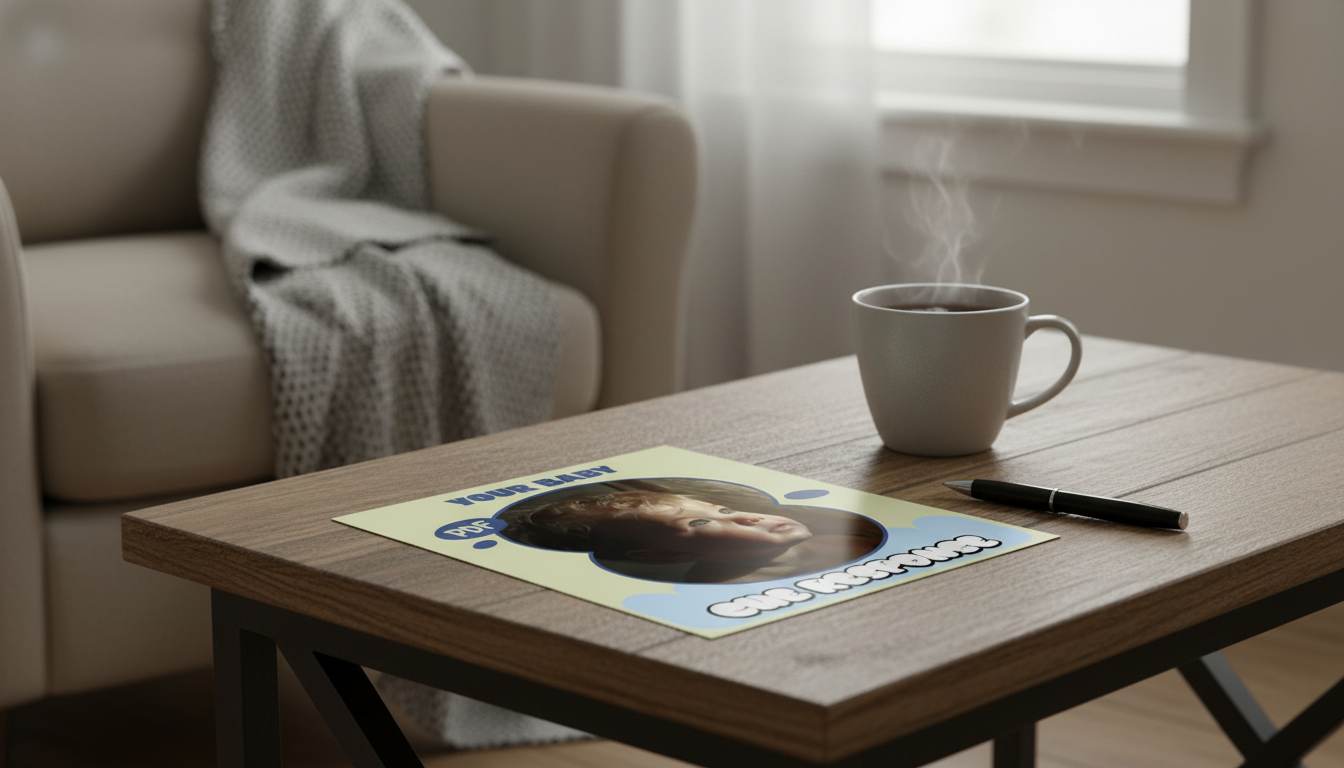
Your Baby Cue Response Checklist: A Printable Newborn Guide for Responding Calmly and Confidently
Newborn cues can be subtle, fast-changing, and easy to second-guess—especially on little sleep. A simple, printable checklist helps turn small signals (like a grimace, yawn, or turning away) into clear next steps, so care feels steadier and more responsive throughout the day and night. If you want an at-a-glance tool you can keep by the bassinet or changing station, Your Baby Cue Response Checklist (Printable Newborn Guide) is designed for those “what do they need?” moments.
What “baby cues” look like in the newborn stage
Cues are your baby’s early signals for comfort, feeding, sleep, stimulation, or a break. They often show up before crying; crying is typically a late sign that support is needed soon. Common cue types include hunger (rooting, hands to mouth), tiredness (yawning, staring off), overstimulation (turning head away, stiffening), and discomfort (squirming, grimacing). Because cues can overlap, context matters—time since the last feed, diaper change, and what’s happening in the environment can help narrow the likely need.
For newborn care basics and what to watch for in the early weeks, see the American Academy of Pediatrics newborn guidance.
Early cues vs. late cues: responding before things escalate
Early cues are smaller and easier to soothe: lip smacking, rooting, fidgeting, facial changes, and brief fussing. Mid cues often add intensity—persistent wiggling, louder fussing, and repeated head turning toward the breast or bottle. Late cues can include crying, arching, frantic rooting, or difficulty latching.
If you’re already at late cues, it helps to “reset” first. Try calming (hold upright, slow sway, gentle shushing) for a minute or two, then return to the likely need (feed, diaper, sleep). A quick “pause and scan” routine can keep you from trying five things at once: check hunger timing, diaper, temperature, and stimulation level, then choose one response to test.
Fast response flow: a 60-second cue check
When you’re tired, a short, repeatable flow makes decision-making easier:
Keep the environment simple while troubleshooting: dim lights, lower noise, and minimize handoffs. For practical calming ideas, the NHS guide to soothing a crying baby is a helpful reference.
Quick cue-to-response checklist (printable-friendly)
| Cue you notice | Most likely need | Try this first | If it doesn’t work, try next |
|---|---|---|---|
| Rooting, hands to mouth, lip smacking | Hunger | Offer breast/bottle; check latch/flow | Burp, then re-offer; reduce distractions |
| Yawning, staring off, jerky movements, rubbing face | Tiredness | Swaddle + dark/quiet + rocking | Short wake window reset: brief cuddle, then try nap again |
| Turning away, splaying fingers, stiff body, sudden fussing | Overstimulation | Lower lights/noise; hold close; white noise | Move to a calm room; pause play/talking |
| Squirming, grimacing, pulling legs up | Gas or tummy discomfort | Burp; bicycle legs; tummy time (brief, supervised) | Warm bath or gentle belly rub; check feeding pace |
| Sudden crying after feeding, arching, gulping | Too fast flow or reflux-like discomfort | Upright hold; paced bottle feeding if applicable | Smaller, more frequent feeds; discuss concerns with a pediatrician |
| Fussing during/after feed, relaxed after burp | Needs burping | Burp mid-feed and after | Change burping position; slow feeding rhythm |
| Restless, awake but not hungry, seeks contact | Connection/comfort | Skin-to-skin; hold; gentle sway | Offer pacifier if used; try babywearing |
Hunger cues: feeding before the cry
For bottle feeding, paced feeding can reduce gulping and discomfort: keep baby more upright, use a slower rhythm, and build in short pauses. If you’re looking for broader feeding guidance by age and stage, the CDC infant nutrition resources provide a reliable overview.
Tired cues and newborn wake windows: setting up smoother sleep
Overstimulation and the need for a break
Using a printable checklist: how to make it work day-to-day
Printable newborn guide: what’s included and how it helps
Your Baby Cue Response Checklist | Printable Newborn Guide for How to Respond to Baby Cues Effectively is built for tired moments: observe → choose a likely need → try a first response → reassess. It helps caregivers respond earlier, stay calmer during crying, and avoid trial-and-error spirals at night.
Many families also like pairing baby-care tools with a simple personal reset plan for adults. If you want a quick, printable routine to support your own well-being during the postpartum stretch, Feel Alive Again Checklist – Digital Download Self-Care Guide can be a helpful companion to keep near the coffee maker or on your phone.
FAQ
What are the earliest hunger cues in a newborn?
Early hunger cues include rooting, turning the head toward touch, bringing hands to the mouth, and lip licking or smacking. Crying is usually a late cue, so offering a feed earlier often goes more smoothly. If baby is frantic, calm for a minute or two first, then try feeding again.
How can you tell if a baby is overtired or overstimulated?
Tired cues often look like yawning, staring off, rubbing the face, and fussing that improves with soothing. Overstimulation commonly shows up as turning away, stiffening, finger splay, and escalating fussiness with more noise, light, or handling. Reducing stimulation and using steady rhythmic soothing can help in both cases.
Is it normal for baby cues to change from day to day?
Yes—cues can vary with growth spurts, changing wake windows, and how much stimulation happened earlier in the day. Using timing plus what you observe (hands, face, posture) usually points you to the most likely need. Seek medical advice promptly if there are concerns like poor feeding, fewer wet diapers, lethargy, or fever.
















Leave a comment