Baby’s First Foods: Gentle Weaning & Safe Feeding Tips
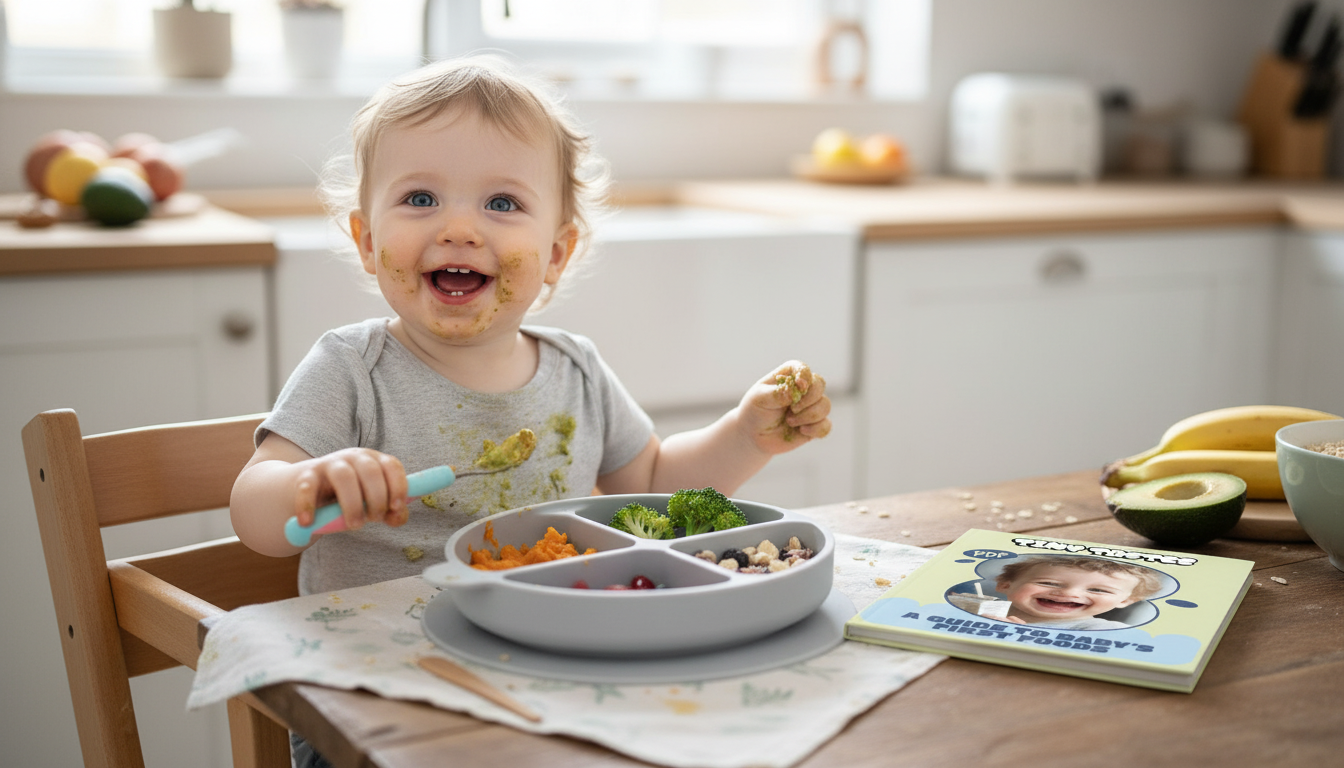
Tiny Tastes: A Joyful Guide to Baby’s First Foods, Gentle Weaning, and Safe Feeding Habits
Starting solids can feel equal parts exciting and nerve-wracking. A calm, step-by-step approach—focused on readiness, safe textures, and simple routines—helps babies explore new flavors while parents build confidence. This guide lays out when to begin, which first foods tend to work well, how to reduce common risks, and how to shape healthy habits from the very first bite. For more guidance, see How to Wean Your Baby | American Pregnancy Association.
For an easy, printable companion you can keep on your phone during mealtimes, see Tiny Tastes: A Joyful Parent’s Guide to Baby’s First Foods. For further reading, see Introducing New Foods To Babies | Franciscan Health.
When a baby is ready for first foods
Most babies begin solids around 6 months, but readiness matters more than the calendar. Starting too early can make feeding harder and may increase frustration for both baby and caregiver.
- Typical starting window: around 6 months, when developmental signs are present rather than by age alone.
- Readiness signs: sits with minimal support, good head/neck control, brings objects to mouth, shows interest in food, and loss of the tongue-thrust reflex (pushing food back out).
- Milk still leads: breast milk or formula remains the primary nutrition source in the first year; solids begin as practice and exposure.
- Personal timing: discuss starting earlier than 6 months only with a pediatric clinician, especially for preterm babies or those with growth/medical concerns.
For additional guidance on timing and readiness, review the CDC’s recommendations here: CDC Infant and Toddler Nutrition — When to Introduce Solid Foods.
A gentle first-week approach (low pressure, high learning)
The first week is about learning, not “finishing.” Think tiny portions, short sessions, and lots of observation—babies communicate clearly when things feel manageable.
- Start small: one small meal a day when baby is alert and not overly hungry; keep sessions short (10–20 minutes).
- One food at a time: offer a single food for a couple of exposures, then rotate to build variety; repeated exposure is normal before acceptance.
- Pick manageable textures: smooth puree, mashed, or very soft finger foods depending on feeding style and readiness.
- Follow cues: leaning forward, opening mouth, grabbing food = interest; turning away, fussing, pushing away = pause or stop.
- Expect mess and gagging: gagging is often a protective reflex during learning; choking is typically silent and requires immediate action.
First foods that often work well (iron, allergens, and gentle flavors)
Early solids are a great time to prioritize iron and zinc while keeping flavors simple. Variety can build gradually—especially when textures are safe and baby stays in control.
- Prioritize iron and zinc early: iron-fortified infant cereal, well-cooked and pureed meats, lentils/beans, eggs, and tofu.
- Easy starter produce: very soft steamed carrots, sweet potato, peas, zucchini, pumpkin, ripe banana, avocado, pear, and apple (cooked/soft).
- Early allergen introduction (when appropriate): peanut, egg, dairy, wheat, soy, sesame, fish—offer in age-safe forms and keep the first exposures at home when baby is well.
- Skip added sugar and limit salt: let baby learn natural flavors.
- Avoid honey: no honey until after 12 months due to botulism risk.
Starter foods by texture and nutrient focus
| Food | Why it’s helpful | Safe starting texture | Notes |
|---|---|---|---|
| Iron-fortified infant cereal | Iron support | Thin to thicker puree | Mix with breast milk or formula; offer on a preloaded spoon |
| Ripe avocado | Energy and healthy fats | Mashed or soft strips | Keep pieces large/soft if offering as finger food |
| Cooked sweet potato | Gentle flavor; fiber | Mashed or soft spears | Cook until very soft; avoid hard edges |
| Egg | Iron; common allergen to introduce | Scrambled in small soft curds or mashed | Introduce when baby is well; observe for reactions |
| Thinned peanut butter | Allergen exposure | Very thin spread or mixed into puree | Never offer thick globs; use powdered peanut mixed into yogurt/puree |
| Lentils/beans | Iron, protein, fiber | Well-cooked and mashed/pureed | Rinse canned beans; aim for smoothness early |
For pediatric guidance on first foods and pacing, see: American Academy of Pediatrics — Starting Solid Foods.
Safety essentials: choking risks, gagging, and food prep
Safety doesn’t need to be complicated—consistent habits matter most. Set up the same safe environment each time so baby can focus on learning.
Gentle weaning routines that build healthy habits
For busy days when routines feel hard to hold, a quick reset can help: Feel Alive Again Checklist – Daily wellness routine for busy parents.
Troubleshooting common worries
A simple pantry and tool checklist
FAQ
What are the safest first foods to start with?
Choose very soft textures that mash easily, such as iron-fortified infant cereal, mashed avocado, well-cooked sweet potato, or smooth bean/lentil puree. Always supervise closely with baby seated upright, and avoid common choking hazards like whole grapes, nuts, and thick spoonfuls of nut butter.
How many times should a baby try a food before deciding they don’t like it?
It can take many tries for a food to feel familiar—offering small tastes across different days often works better than pushing bigger bites in one sitting. Preferences also change quickly as babies grow, so foods that were refused early may become favorites later.
How can allergens be introduced safely during early feeding?
Introduce common allergens in age-safe forms (for example, thinned peanut butter mixed into puree) when baby is healthy, starting with a small amount at home where you can observe. If there’s a history of severe eczema or other allergy concerns, ask a pediatric clinician for personalized guidance before introducing allergens.
















Leave a comment