Dr. Martens Women’s Black Leather Ankle Boots Guide
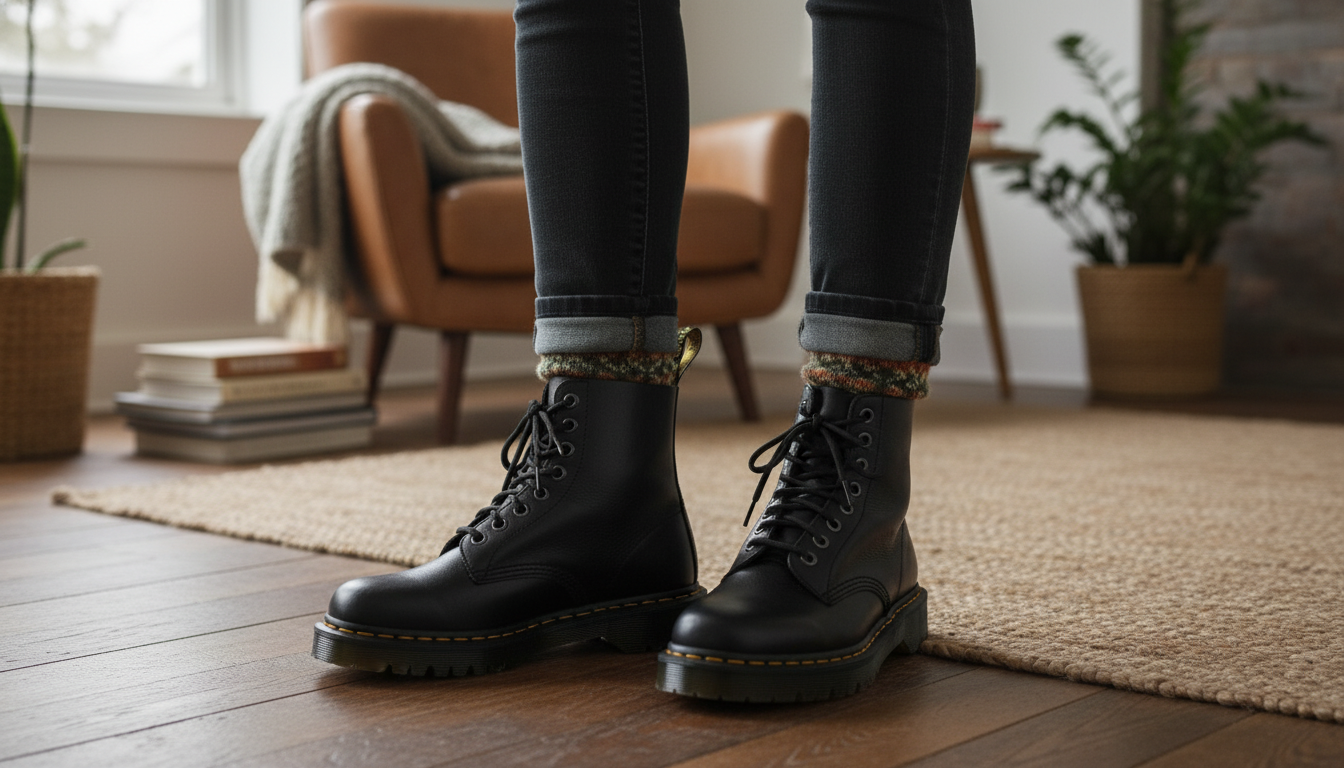
Dr. Martens Women’s Black Leather Ankle Boots: Fit, Comfort, Styling, and Care
Black leather ankle boots from Dr. Martens are built for everyday wear with a distinctive silhouette that works across casual, workwear, and dressed-up outfits. This guide covers what to look for in materials and construction, how they tend to fit, practical break-in tips, easy outfit ideas, and leather care habits that help them age well.
What Sets These Boots Apart
- Smooth black leather uppers create a structured ankle-boot profile that pairs easily with jeans, skirts, and trousers.
- A durable build is designed for frequent wear, making them a repeat pick across multiple seasons.
- The classic Dr. Martens look balances edge and versatility, so the same pair can move from daytime errands to a night out.
If you’re shopping for a staple pair, you can find Dr. Martens Women’s Black Leather Ankle Boots in stock now.
Materials and Construction Details to Notice
Even within “black leather ankle boots,” the feel on-foot can vary a lot based on leather finish, stitching quality, and how the sole is built. A few quick checks can help you choose (and keep) a pair that stays comfortable over time.
- Leather type and finish: Smooth leathers look sleek but may show scuffs more quickly; textured or grain leathers can camouflage everyday wear.
- Stitching and joins: Look for even stitching and secure bonding where the upper meets the sole—this area takes constant flex and impact.
- Sole feel: A firmer sole often adds stability and longevity; a softer sole can feel cushier but may wear down sooner depending on how and where you walk.
- Hardware and closures (if present): Zippers should glide cleanly without catching; laces should hold tension so your heel stays secure.
Quick feature checklist for leather ankle boots
| Feature | What to look for | Why it matters |
|---|---|---|
| Leather finish | Even color, minimal surface cracking, consistent grain | Affects durability, scuff visibility, and polish |
| Ankle shape | Secure hold without pinching at the collar | Improves comfort and reduces heel slip |
| Sole stability | No rocking; balanced heel-to-toe contact | Better posture, less fatigue on longer days |
| Insole comfort | Supportive feel under arch/heel | Helps with all-day wear and break-in |
| Toe room | Comfortable wiggle space without excess length | Prevents rubbing and pressure points |
Fit and Sizing: Getting the Right Feel
Leather ankle boots often feel stiffer and “closer” to the foot on day one than they will after a few wears. The goal is a secure fit that doesn’t fight your natural stride.
Break-In Tips That Reduce Discomfort
- Start small: Wear them indoors for short blocks of time to identify pressure points before committing to a full day out.
- Reduce friction: Try thicker socks for the first few wears, or layer a thin liner sock under a regular sock.
- Encourage natural flex: Gently flex the boot at the forefoot with your hands to wake up the leather (avoid aggressive bending that can stress seams).
- Protect hot spots early: Blister-prevention patches can help in known rub zones. For practical blister prevention basics, the American Academy of Dermatology Association offers clear tips here: https://www.aad.org/public/everyday-care/injured-skin/burns/blisters.
- Build in recovery time: During the first week, alternate wear days if possible so the leather can adapt without being overworked.
Styling Ideas for Black Leather Ankle Boots
- Everyday casual: Straight-leg jeans + tucked tee + oversized cardigan or denim jacket. For an easy add-on, a pocket tee like the New Balance Men’s Green Cotton T-shirt with Pocket can create a simple contrast against black boots and dark denim.
- Polished minimal: Black trousers + fitted knit + long coat. The boots add firmness to the silhouette without reading overly formal.
- Skirts and dresses: Balance proportions with opaque tights or crew socks; a midi hem keeps the line clean and wearable.
- Workwear edge: Blazer + dark jeans or tailored pants. Keep accessories simple so the boots can anchor the look.
- Seasonal swaps: Add wool socks and a scarf in colder months; in spring, lighten layers and let the boots remain the grounding piece.
Leather Care and Maintenance
A consistent, low-effort care routine keeps black leather looking rich and helps prevent premature cracking at flex points. For brand-specific care notes, Dr. Martens also maintains a helpful set of guides: https://www.drmartens.com/us/en/guides.
For a broader, conservation-minded overview of leather handling and long-term preservation, the Leather Conservation Centre shares useful fundamentals: https://leatherconservation.org/.
When to Replace or Resole
FAQ
Do Dr. Martens leather ankle boots run true to size?
They often feel snug at first, especially through the midfoot, then relax slightly as the leather breaks in. Focus on a secure heel (minimal slip) with comfortable toe room; if the length feels right but volume is a bit roomy, adding an insole can help fine-tune the fit.
How long does it take to break in leather ankle boots?
Many people feel a noticeable improvement after several wears, with a fuller break-in often taking one to two weeks depending on leather thickness, how long you wear them each time, and sock choice. Short early wears, thicker socks, and blister patches can make the process more comfortable.
How should black leather boots be cleaned and protected?
Wipe them down regularly to remove dust and grit, condition occasionally to prevent drying, and use a leather protector if you’ll be in wet conditions. If they get wet, air-dry away from heat and buff scuffs with a soft cloth; use black polish for deeper marks when needed.














Leave a comment